
Featured
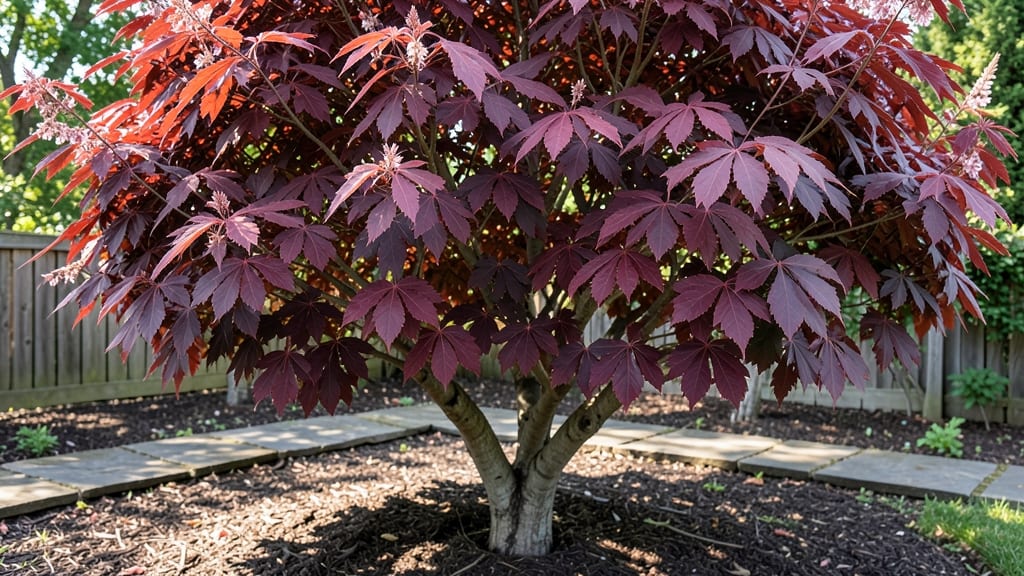
The redbud tree with red leaves turns your garden into a living painting, especially when its deep foliage contrasts against spring blooms and autumn gold. 🌿 I planted mine near the patio, and now it’s the first thing guests notice—those rich, burgundy leaves catch the light like stained glass.
The secret to making it stand out? Placing it where it gets filtered sun, so the color stays intense all season.
Pair it with silver-blue foliage like lamb’s ear or dusty miller to make the red leaves pop even more. Underplant with creeping phlox or ajuga for a lush ground cover that complements the tree’s dramatic height.
In fall, the leaves deepen into fiery tones, while winter branches add architectural interest before spring’s pink blossoms arrive.
📚 In This Guide
- What you need
- Instructions
- Tips and common mistakes
- Wrapping up and next steps
What you need
- ● Redbud Tree: 1 healthy Cercis canadensis (eastern redbud) or Cercis canadensis 'Ruby Falls' (weeping variety) sapling or mature tree (check local nurseries for red-leafed cultivars).
- ● Size: 1–3 gallon container for young trees; larger pots or field-grown specimens for mature trees.
- ● Planting Supplies: High-quality well-draining potting mix (or native soil amended with compost for in-ground planting).
- ○ 1 5-gallon bucket for mixing soil amendments (optional but helpful).
- ● 1 trowel or shovel (for digging holes or transplanting).
- ● 1 garden hose or watering can (with a gentle spray nozzle).
- ● Fertilizer & Soil Additives: 1 slow-release granular fertilizer (10-10-10 or 20-20-20, 1–2 lbs per tree).
- ● 1 bag of organic mulch (3–4 inches thick, like shredded bark or pine straw).
- ○ 1 soil pH tester kit (optional but recommended—redbuds prefer slightly acidic to neutral soil (pH 6.0–7.0)).
- ● 1 pruning shears (for shaping or removing dead branches).
- ● 1 tree stake or support (if planting in windy areas).
- ● 1 drip irrigation system (for consistent moisture, especially in drought-prone areas).
- ● 1 leaf rake (to clear fallen leaves/debris for a tidy look).
- ● 1 tree collar protector (to prevent damage when mulching).
Step-by-Step guide to growing a stunning redbud tree with red leaves
Here's how to cultivate a standout redbud tree with foliage that stays vibrant from spring through fall.
🌱 Step 1: Choose the Right Redbud Variety for Red Leaves
Not all redbuds have red foliage—look for cultivars like 'Forest Pansy' or 'Merlot' that guarantee deep burgundy leaves. These varieties develop their richest color when planted in full sun to partial shade with at least 6 hours of direct sunlight daily. I always check the plant tag for the specific cultivar name to avoid disappointment.
Young trees may start with green leaves that gradually deepen to red as they mature. The color intensifies during cooler months, so don't worry if your first spring doesn't deliver the dramatic red you envisioned. Plant in well-draining soil—redbuds hate soggy roots—and amend heavy clay with compost to improve drainage.
🪴 Step 2: Plant in the Ideal Location and Soil Conditions
Dig a hole twice as wide as the tree's root ball but only as deep as the container's base. This encourages roots to spread horizontally rather than settling too deep. Gently remove the tree from its container and loosen any circling roots with your fingers—redbuds establish best when their roots can expand freely.
Backfill with native soil mixed with compost (about 25% compost by volume) to give the tree a nutrient boost. Water deeply right after planting to eliminate air pockets, then create a 3-inch deep watering basin around the base. Mulch with 2-3 inches of shredded bark and keep it 6 inches away from the trunk to prevent rot.
☀️ Step 3: Provide Consistent Sunlight and Watering
Redbuds thrive in full sun, but they tolerate light shade—just expect less vibrant foliage. If your tree's leaves fade to green, it's getting too much shade. Water deeply once a week during the first growing season to establish strong roots, then taper to every 2 weeks once established, unless you're in extreme heat or drought.
Check soil moisture by sticking your finger 2 inches deep—if it feels dry, water thoroughly. Overwatering is the biggest mistake with redbuds; yellowing leaves often signal too much moisture. Fertilize lightly in early spring with a balanced 10-10-10 formula to support new growth, but avoid heavy feeding once the tree is established.
✂️ Step 4: Prune for Shape and Health
Prune in late winter or early spring before new growth begins. Remove any dead, diseased, or crossing branches first—redbuds respond well to shaping but don't over-prune. Thin out crowded branches to improve airflow, which prevents fungal issues. I like to step back and visualize the tree's natural shape, then make cuts just above a leaf bud or branch collar.
Never remove more than 25% of the canopy in one season. Redbuds bloom on old wood, so pruning after flowering won't affect next year's stunning pink blooms. If your tree's leaves lose their red hue, it might need more sunlight or a light feeding with iron sulfate to boost color intensity.
⏰ Step 5: Maintain Season-Long Vibrancy
Fall is the best time to see redbud foliage at its peak. If leaves start browning prematurely, check for pests like spider mites or aphids—spray with water to dislodge them or use neem oil for severe infestations. Mulch annually in early spring to retain moisture and regulate soil temperature.
Redbuds are low-maintenance once established, but a little attention goes a long way. Watch for early signs of stress—wilting, yellowing, or leaf drop—and adjust watering or sunlight as needed. With the right care, your redbud will become the showstopper of your landscape, offering vibrant color from spring blooms to fiery fall foliage.
Tips & tricks for perfect redbud tree care
Here's what I've learned after growing vibrant redbud trees for years—these little tricks make all the difference for that stunning foliage.
Cultivar Matters: The 6 hours of daily sunlight mentioned in Step 1 is non-negotiable for 'Forest Pansy' or 'Merlot' varieties. I've planted regular redbuds that only turned green—always double-check the plant tag. For maximum color intensity, position your tree where it gets morning sun and afternoon shade in hot climates. The cooler afternoon light helps preserve that rich burgundy hue.
Root Establishment Secret: When planting, focus on those roots—loosening circling roots in Step 2 is crucial. I've seen trees struggle for years because of this step. After planting, water deeply but don't let the soil stay soggy. The 3-inch watering basin should be kept consistently moist but not waterlogged for the first 3 months. A moisture meter helps here—aim for soil that's damp 2 inches deep.
Color-Boosting Hack: That 10-10-10 fertilizer in Step 3 works, but for deeper red leaves, try a light application of iron sulfate in early spring. The instructions mention sunlight, but iron deficiency can turn leaves green—this is especially common in alkaline soils. Just follow package directions for light feeding. I've seen trees go from dull green to vibrant red in just a few weeks after this treatment.
Pruning Insight: In Step 4, when pruning those 25% of branches, focus on removing branches that grow inward. I learned this the hard way—over-pruning can stress the tree, but removing only the problematic branches maintains that beautiful shape while keeping the canopy healthy. The key is to visualize how each cut affects the overall form. Always make cuts at a 45-degree angle just above a leaf bud.
Pro Tips for Redbud Tree With Red Leaves
- Here's what I've learned after growing vibrant redbud trees for years—these little tricks make all the difference for that stunning foliage.
- Cultivar Matters: The 6 hours of daily sunlight mentioned in Step 1 is non-negotiable for 'Forest Pansy' or 'Merlot' varieties.
- Root Establishment Secret: When planting, focus on those roots—loosening circling roots in Step 2 is crucial.
Frequently asked questions
Got questions about your stunning redbud tree with red leaves? You’re not alone! Here are some of the most common queries—and their answers—to help you keep your tree thriving and vibrant.
Why aren’t my redbud leaves as red as they should be?
Redbud leaves turn a deep, fiery red in spring and sometimes in fall, but duller colors could mean stress. Check for too much shade, overwatering, or nutrient deficiencies (like nitrogen). Prune leggy branches for better airflow, and ensure it gets 6+ hours of sunlight daily. A balanced fertilizer in early spring can also boost color intensity!
When is the best time to plant a redbud tree for maximum red foliage?
Plant your redbud in early spring or fall—these are the sweet spots! Avoid extreme heat or frost. Spring planting (March–April) lets roots establish before summer, while fall (September–October) gives them time to settle before winter. Pro tip: Amend the soil with compost for richer red hues and faster growth.
Can I grow a redbud tree in a container? Will it still have red leaves?
Yes, but with caveats! Redbuds thrive in the ground, but you can try a large container (20+ gallons) with well-draining soil. Expect smaller growth and potentially less vibrant foliage due to root restrictions. If you love the look, opt for dwarf varieties like ‘Alba’ (white flowers) or ‘Forest Pansy’ (purple leaves) for container-friendly options.
My redbud leaves are turning yellow—what’s wrong?
Yellowing leaves often signal overwatering, root rot, or chlorosis (iron deficiency). Check soil moisture—redbuds prefer it slightly dry between waterings. If roots smell rotten, trim affected areas and repot in fresh soil. For chlorosis, apply an iron supplement or use chelated iron fertilizer. Bonus: Mulch 2–3 inches around the base to regulate moisture.
Are there redbud tree alternatives with red leaves?
If you love red foliage, try these showstoppers:
- Japanese Maple (‘Bloodgood’) – Deep red leaves year-round.
- Smoke Tree (Cotinus) – Fuzzy purple-red foliage in summer.
- Sumac (Staghorn) – Bright red fall color and drought-tolerant.
- Crape Myrtle (‘Dynamite’) – Bold red leaves and long bloom season.
Wrapping up and next steps
The redbud tree with its stunning red leaves is a true showstopper in any landscape, offering year-round charm and minimal fuss. Whether you’re drawn to its early spring blooms, fiery foliage, or graceful form, this tree brings effortless beauty to gardens and urban spaces alike. 🌸
Ready to add this vibrant star to your outdoor space? Start by researching local nurseries or trusted online sellers to find a healthy specimen that suits your climate and soil. With a little care, your redbud tree will reward you with seasonal magic for years to come!
- 💡 Pro Tip: Pair it with complementary plants like hostas or ferns for a lush, layered look.
- ✨ Next Step: Sketch a simple planting plan to visualize its placement in your yard.