Trees
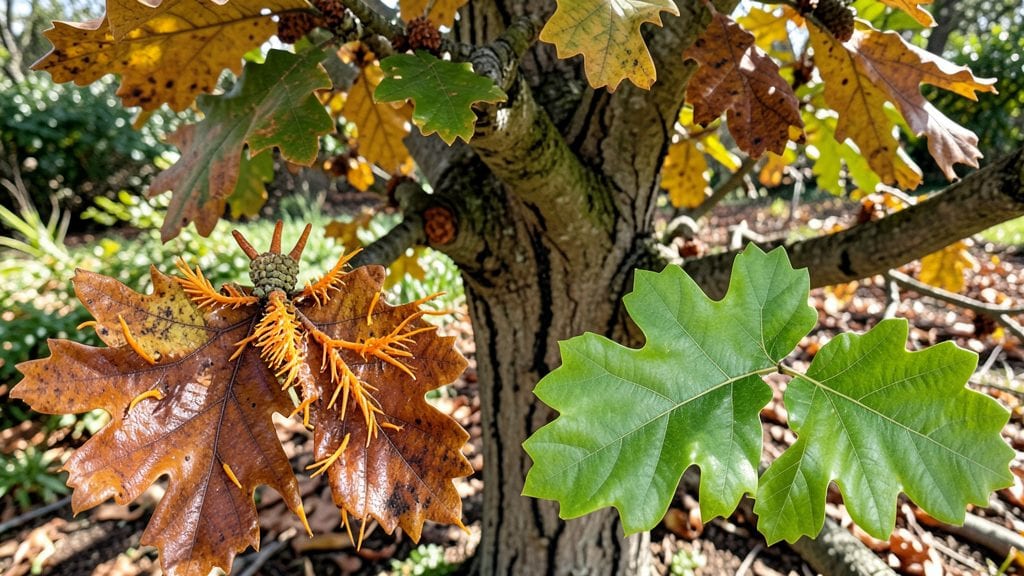
Those orange pustules on your tree leaves aren’t just unsightly—they’re a sign of rust fungus taking hold. 🌿 I’ve watched cedar-apple rust turn my neighbor’s prized apple tree into a skeleton of brown branches, and I’m here to tell you how to stop it before it spreads.
The key is acting fast with the right remedies, whether you prefer organic sprays or targeted pruning.
Rust thrives in damp conditions, so the first step is cutting back infected leaves and branches—sterilize your pruners with rubbing alcohol to avoid spreading spores.
Resistant tree varieties like certain apple and crabapple cultivars can save you years of frustration, but if you’re already dealing with an outbreak, copper fungicide or neem oil sprays work best when applied before symptoms appear.
You’ll see new growth within weeks if you tackle the problem early, with leaves staying vibrant green instead of spotted and brittle. The best part?
Prevention is simple—improve airflow around your trees, water at the base (not overhead), and clean up fallen leaves regularly to starve the fungus of its food source.
Works for cedar-apple rust, soybean rust, and other common tree rusts—just adjust timing based on your local climate. Let’s get those trees healthy again before next season’s spores arrive.
The Hidden Triggers Behind Tree Rust
Tree rust—those unsightly orange or brown spots on leaves—isn’t just a random cosmetic issue. It’s the result of fungal infections, environmental stress, and even the tree’s own biology.
Understanding the root causes helps you take targeted action to prevent or manage it. Here’s why rust forms on trees in the first place.
Most tree rust is caused by rust fungi (like Puccinia or Gymnosporangium species), which thrive in damp conditions. These fungi produce spores that drift on the wind, landing on leaves where they germinate and infect healthy tissue.
Once established, they form pustules—those telltale rust-colored spots—that burst open to release more spores, repeating the cycle.
Why it happens:
- Wind and water spread spores—Fungal spores hitch rides on breezes or rain, making trees in open or humid areas more vulnerable.
- Weakened tree defenses—Stressed trees (from drought, poor soil, or pests) are easier targets for fungal attacks.
- Seasonal peaks—Spores thrive in spring and fall, when temperatures are mild and humidity is high.
Rust fungi love moisture. While trees need water, excessive humidity or prolonged leaf wetness (like from rain, dew, or overhead irrigation) creates ideal conditions for spores to germinate and infect leaves. Poor air circulation—common in dense foliage or shaded areas—traps moisture, accelerating rust spread.
Why it happens:
- Heavy rainfall or morning dew—Leaves stay wet for hours, giving fungi time to penetrate.
- Overwatering or poor drainage—Soggy soil leads to stressed roots, which can’t support healthy leaves.
- Shady or crowded plantings—Limited airflow means moisture lingers, creating a fungal paradise.
Rust fungi have optimal temperature ranges—usually between 60°F and 75°F (15°C–24°C). Too hot or too cold, and the fungi struggle to survive. However, sudden temperature swings (like warm, damp springs) can trigger outbreaks, as can late-season warmth that revives dormant spores.
Why it happens:
- Mild, wet springs—Perfect for early spore germination before leaves fully harden.
- Fall warmth + rain—Fungi produce spores late in the season, preparing for winter survival.
- Urban heat islands—Cities with higher nighttime temps can extend the rust season.
A healthy tree can resist rust, but stress weakens its natural barriers. Common stressors include:
- Nutrient deficiencies—Lack of nitrogen, iron, or zinc stunts growth, making leaves easier targets.
- Compacted or poor soil—Restricted roots can’t absorb water/nutrients efficiently.
- Pest damage—Insects like aphids or mites create wounds that fungi exploit.
- Improper pruning—Over-pruning or cutting at the wrong time stresses the tree.
Why it happens: Stressed trees produce less chlorophyll and thinner cell walls, giving rust fungi an easier entry point. Think of it like a weakened immune system—opportunistic infections strike fast.
Pro Tip: 💡 Healthy trees are your first line of defense. Test soil annually, mulch properly, and avoid overwatering to keep rust at bay.
How to solve it
Discovering rust in trees can feel like a setback, but with the right approach, you can restore your trees to health—often without harsh chemicals. The key is identifying the root cause and applying targeted solutions.
Below, we break down fixes by common triggers, from quick remedies to long-term prevention, so your trees stay lush and disease-free.
If your trees are sitting in soggy soil, fungal spores thrive like an all-you-can-eat buffet. Fix this by improving drainage and watering habits.
- 🔥 Step 1: Test Soil Moisture Stick your finger 2–3 inches into the soil. If it’s damp after 24 hours, you’re overwatering. Aim for 1 inch of water per week (including rain) for most trees.
- 🍳 Step 2: Amend the Soil Mix in compost or perlite (10–20%) to loosen heavy clay soil. For container trees, ensure pots have drainage holes.
- 👨🍳 Step 3: Elevate Tree Bases If planting in low spots, create a slight mound or use raised beds to prevent water pooling.
💡 Pro Tip: Mulch correctly—keep it 2–4 inches deep and 3–6 inches away from the trunk to avoid trapping moisture.
Rust spreads via windborne spores, but you can disrupt their lifecycle with strategic timing and natural fungicides.
- ⏰ Step 1: Prune Infected Leaves Remove and dispose of rusty leaves immediately (don’t compost them!). Burn or bag them to prevent spore release.
- 🔪 Step 2: Apply Copper Fungicide Use a copper-based spray (like copper sulfate or copper fungicide) every 7–14 days during wet seasons. It’s non-toxic to trees once dry.
- 🌡️ Step 3: Improve Airflow Thin out dense foliage or nearby plants to reduce humidity around the tree. Space trees 6–10 feet apart if replanting.
✨ Pro Tip: Neem oil (1 tsp per quart of water + soap) is a gentle, organic alternative. Spray in the evening to avoid burning leaves.
Stressed trees are rust magnets. Strengthen their defenses with proper nutrition and care.
- 📊 Step 1: Fertilize Smartly Use a balanced, slow-release fertilizer (10-10-10 or organic options like fish emulsion) in early spring. Avoid high-nitrogen fertilizers post-infection—they encourage soft, spore-friendly growth.
- 🥗 Step 2: Hydrate Deeply Water at the base of the tree (not overhead) in the morning to reduce fungal splash. Use a soaker hose for efficiency.
- 💪 Step 3: Prune for Light Remove crossing or dead branches to improve sunlight penetration. Aim for an open canopy to dry leaves faster.
🎯 Pro Tip: Beneficial microbes like Trichoderma (found in compost tea) can outcompete rust fungi. Brew a 1:1 compost tea and apply every 2 weeks.
If your region is perpetually damp, mimic a drier environment to starve out rust spores.
- 🌡️ Step 1: Install a Drip Irrigation System Replace overhead sprinklers with soaker hoses or drip lines to keep foliage dry. Aim for early morning watering to allow leaves to dry by nightfall.
- 🏡 Step 2: Use Tree Guards Wrap the trunk with tree wrap (not plastic) to protect against rain splash. For large trees, install plastic sheeting as a temporary shield during heavy rains.
- 🌿 Step 3: Choose Rust-Resistant Varieties If replanting, opt for native or resistant species like Oak, Maple, or Hackberry. Avoid Crabapple or Hawthorn—they’re high-risk.
💡 Pro Tip: Reflective mulch (like aluminum foil strips) around the base can reduce humidity by reflecting sunlight and heat.
With these targeted fixes, you can reverse rust damage and keep your trees thriving. The key is consistency—fungi don’t disappear overnight, but neither do your efforts! For severe cases, consult an arborist to assess structural risks.
Frequently asked questions about tree rust
What do rust spots on tree leaves actually look like?
Tree rust typically appears as bright orange, brown, or yellow pustules on the undersides of leaves. These spots often burst open to release powdery spores. In severe cases, leaves may turn yellow, curl, or drop prematurely. Cedar-apple rust, for example, creates horn-shaped galls on juniper branches while infecting apple trees.
Can tree rust spread to other plants in my garden?
Yes, many rust fungi require two different host plants to complete their lifecycle. For instance, cedar-apple rust needs both juniper and apple trees to thrive. While it won't infect vegetables, it can spread to other susceptible trees and shrubs like hawthorn or crabapple. Always remove infected debris promptly to prevent cross-contamination.
How often should I apply fungicide for tree rust prevention?
For organic control, apply neem oil or copper fungicide every 7-14 days during wet seasons (spring/fall). Chemical fungicides may require 3-4 applications per season at 7-10 day intervals. Always follow label instructions and apply in the evening when humidity is high but temperatures are below 85°F to prevent leaf burn.
Will pruning infected branches stop rust from spreading?
Pruning alone won't eliminate rust, but it's a critical first step. Remove all infected leaves and branches at least 6 inches below visible symptoms, then sterilize your tools with 70% rubbing alcohol. Bag the debris and dispose of it—don't compost it. Combine pruning with fungicides for best results, especially during the dormant season when spores are most active.
Are there any rust-resistant tree varieties I should consider?
Yes! For apple trees, look for Liberty, Enterprise, or GoldRush varieties. Oak trees are generally resistant, while maple and hackberry species show good natural resistance. Always check with local nurseries for varieties adapted to your climate zone. Native species often have built-in resistance to local fungal pathogens.