
Trees
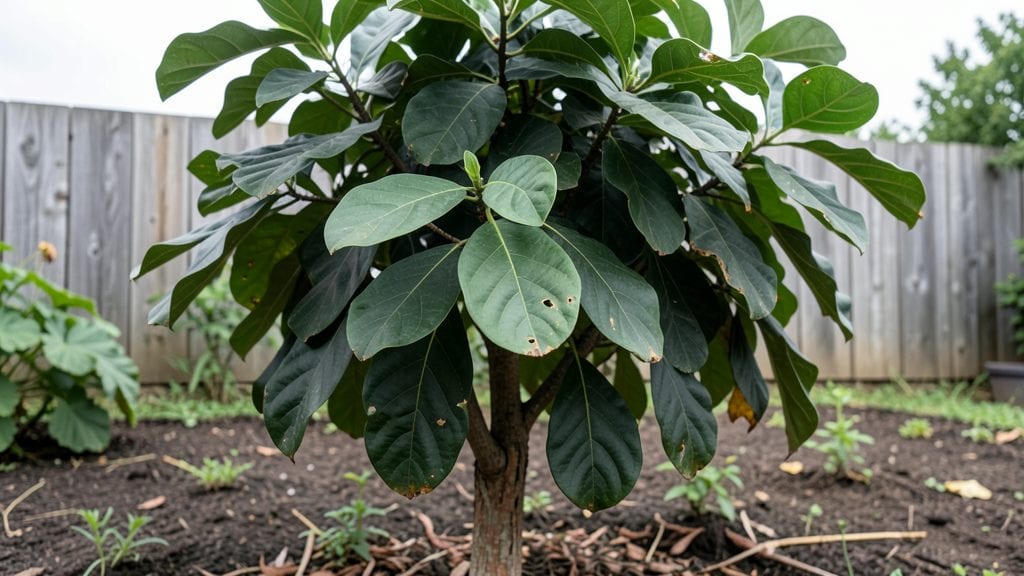
Pruning sapote tree leaves isn't just about shaping—it’s about keeping your tree’s lush canopy thriving year-round. 🌿 I’ve learned the hard way that skipping this step leads to crowded branches, weak growth, and those telltale yellow patches that scream, "Help me!"
The key is timing, technique, and knowing which leaves to cut back before pests or disease move in.
Start by removing dead or diseased leaves first—they’re breeding grounds for mites and fungal spots. Then, thin out crowded branches to improve airflow, which cuts down on humidity-related issues like mildew.
A sharp pair of pruners and a sunny afternoon are all you need, but the real secret is working in dry weather when the tree’s energy isn’t drained by heat or rain.
📚 In This Guide
- What you need
- Instructions
- Tips and common mistakes
- Wrapping up and next steps
What you need
- ● Pruning shears: Bypass pruners (sharp, clean, and sterilized with rubbing alcohol to prevent disease). Quantity: 1 pair (or 2 for larger branches).
- ● Loppers: For branches ½" to 2" in diameter. Quantity: 1 pair.
- ● Pruning saw: For thicker branches (2"+). Specs: Curved blade for clean cuts. Quantity: 1.
- ● Gloves: Heavy-duty, cut-resistant (to protect from thorns and sap). Quantity: 1 pair.
- ● Disinfectant: 70% isopropyl alcohol or bleach solution (1 part bleach to 9 parts water). Quantity: Small spray bottle or cloth.
- ○ Pruning sealant: Optional but helpful for larger cuts (e.g., tree wound dressing). Quantity: Small tube.
- ● Trash bags or bucket: For collecting pruned leaves/branches. Quantity: 1-2.
- ● Ladder or step stool: If your sapote tree is tall (6'+). Safety note: Use a stable, non-slip model.
- ● Timing: Prune during the dry season (avoid rainy periods to reduce fungal risks). Early morning (cooler temps) is ideal.
- ● Weather check: Wait for a calm, sunny day (no wind or rain forecasted for 24 hours).
- ● Safety gear: Safety glasses (to shield from debris) and closed-toe shoes. Pro tip: Wear long sleeves to avoid sap irritation! 💡
- ● Tree health: Inspect the tree for pests or disease before pruning. Remove infected branches first and dispose of them separately.
Step-by-Step guide to pruning sapote trees for lush year-round growth
Here’s how I keep my sapote trees thriving with vibrant foliage—no matter the season.
✂️ Step 1: Choose the Right Time to Prune
Sapote trees respond best to pruning during their dormant season, which is typically late winter or early spring before new growth begins. This timing ensures you’re not removing leaves or flowers that contribute to energy storage for the next growing cycle. Avoid pruning during heavy flowering or fruiting periods—you’ll sacrifice both aesthetics and harvest.
If you must prune outside this window, do it after a heavy fruiting cycle when the tree has recovered. Watch for new leaf buds forming—this is your signal that the tree is preparing to grow again. Pruning too late in the season can stimulate tender new growth that won’t survive winter frosts, even in warmer climates.
🌿 Step 2: Assess and Plan Your Cuts
Start by examining the tree for dead, diseased, or crossing branches. Dead branches are easy to spot—they’re brittle, lack leaves, and may have dark or hollow spots. Diseased branches often have blackened leaves, mold, or unusual growths. Mark these for removal first, as they drain energy from healthy parts of the tree.
Next, look for crossing or rubbing branches—these create wounds where pests and diseases can enter. Use your hand to mimic sunlight filtering through the canopy and identify areas where branches block light from reaching the center. These are prime candidates for thinning. I like to sketch a rough map of the tree’s structure before making any cuts—it helps visualize the final shape.
✂️ Step 3: Make Clean, Strategic Cuts
Always use sharp, sterilized pruning shears to make clean cuts at a 45-degree angle, about ¼ inch above a leaf node or bud. This angle helps water run off the cut, reducing the risk of rot. Avoid leaving stubs—they invite disease and slow the tree’s healing process. For larger branches, use a pruning saw and cut just outside the branch collar (the swollen area where the branch meets the trunk).
When thinning, remove no more than 25% of the tree’s foliage in one session. Sapote trees are sensitive to heavy pruning, and overdoing it can stress the tree or even stunt growth. Focus on opening the canopy to improve airflow and sunlight penetration. You’ll know you’ve done it right when you can see light reaching the inner branches without casting heavy shade.
💧 Step 4: Post-Pruning Care for Recovery
After pruning, water the tree deeply to help it recover from the stress of cutting. Sapote trees have shallow roots, so 1-2 gallons of water spread evenly around the root zone encourages new growth. Avoid overhead watering for a few days—this gives the cuts time to seal and reduces the risk of fungal infections.
Apply a balanced, slow-release fertilizer (like a 10-10-10 formula) to replenish nutrients lost during pruning. I scatter the granules 6 inches from the trunk and water them in lightly. Monitor the tree closely for the next 4-6 weeks—you should see new leaf buds forming within this timeframe. If you don’t, the tree may need more time to recover, or the pruning was too aggressive.
☀️ Step 5: Maintain Year-Round with Seasonal Adjustments
In summer, focus on light pruning to shape the tree and remove any suckers (shoots growing from the base). These compete with the main canopy for nutrients. Prune early in the morning when the tree is hydrated and temperatures are cooler—this minimizes stress. You’ll also want to thin out any crowded branches that block sunlight from reaching the lower canopy.
During fall, reduce pruning to minimal maintenance—just remove dead or diseased branches. Sapote trees are preparing for dormancy, and heavy pruning can disrupt this process. In winter, if you notice dormant branches that are clearly dead (no green underneath the bark when scratched), remove them to encourage new growth in spring. A well-pruned sapote tree will reward you with dense, glossy foliage and better fruiting in the following seasons.
Tips & tricks for perfect sapote tree pruning
Here's what I learned after years of trial and error with my sapote trees—these tricks will help you achieve that lush, healthy foliage all year long.
Timing is Everything: The late winter/early spring window in Step 1 is critical because sapote trees store energy in their leaves and flowers during dormancy. I've noticed that pruning too early can remove these energy reserves, while pruning too late risks encouraging tender new growth that won't survive winter. If you're in a warmer climate where winters are mild, aim for pruning just as you see the first hints of new leaf buds forming—this is your tree's natural signal to start growing again.
Visual Cues for Healthy Cuts: When making those 45-degree angle cuts in Step 3, look for the branch collar—the swollen area where the branch meets the trunk. This is your guide for where to cut. I've made the mistake of cutting too close to the trunk, which creates unsightly wounds that take much longer to heal. For larger branches, make your cut just outside this collar, and you'll see the tree recover faster and with less stress.
Seasonal Pruning Strategy: The summer maintenance in Step 5 is where many people go wrong. I used to think light pruning meant just a quick trim, but the key is removing those suckers (base shoots) and thinning crowded branches to let sunlight reach all parts of the canopy. Think of it like giving your tree a spa day—you're removing the competition so the main branches can thrive. This is especially important if you want that dense, glossy foliage mentioned in the instructions.
Recovery Monitoring: In Step 4, when you're monitoring for new leaf buds over those 4-6 weeks, pay attention to the color of the new growth. Healthy sapote leaves should emerge with a vibrant green color. If you see yellowing or stunted growth, it might mean you removed too much foliage in one session. Remember, we're aiming for that perfect 25% thinning mentioned in the instructions—not a single branch here and there, but a balanced approach.
Pro Tips for Sapote Tree Leaves
- Here's what I learned after years of trial and error with my sapote trees—these tricks will help you achieve that lush, healthy foliage all year long.
- Timing is Everything: The late winter/early spring window in Step 1 is critical because sapote trees store energy in their leaves and flowers during dormancy.
- Visual Cues for Healthy Cuts: When making those 45-degree angle cuts in Step 3, look for the branch collar—the swollen area where the branch meets the trunk.
Frequently asked questions
Got questions about sapote tree leaves?
Whether you're pruning for the first time or troubleshooting leaf issues, we’ve got you covered! Here are some of the most common queries—plus quick, actionable answers to keep your sapote thriving.
When is the best time to prune sapote tree leaves for optimal growth?
The ideal time to prune your sapote tree is late winter or early spring, just before new growth begins. This minimizes stress and allows the tree to recover quickly. Avoid heavy pruning during summer or fall, as extreme heat or cold can hinder healing. Light trimming to remove dead or diseased leaves can happen year-round, though!
How do I know if I’m pruning sapote leaves correctly?
Start by removing dead, yellowed, or diseased leaves—these are easy to spot. Next, thin out crowded branches to improve airflow (aim for 20-30% of the canopy). Look for water sprouts (fast-growing, weak shoots) and cut them back to encourage stronger growth. If you’re unsure, step back and check for a balanced, open shape—your tree should resemble an upside-down cone!
Why are my sapote tree leaves turning yellow or dropping? Is it normal?
Yellowing or dropping leaves can signal overwatering, underwatering, or nutrient deficiencies. Check the soil—it should be slightly moist but not soggy. If leaves curl or fall suddenly, it might be heat stress or pests (like spider mites). Adjust watering, fertilize lightly with a balanced tree food, and inspect for pests. If the issue persists, test your soil’s pH (sapotes prefer 6.0–7.0).
Can I use sapote tree leaves for anything other than pruning?
While sapote leaves aren’t edible, they’re great for compost or mulch—just chop them up first. Some gardeners use them as natural pest deterrents (like hanging bundles near other plants to repel insects). Avoid burning them, though, as sapote leaves can release irritating sap when burned. Pro tip: Dry leaves can also be used as a lightweight mulch to retain soil moisture!
What should I do if my sapote tree isn’t recovering after pruning?
If your tree looks lethargic, wilts, or stops producing new leaves after pruning, it might be over-pruned or stressed. Take these steps:
- Reduce watering temporarily—overwatering can drown roots.
- Apply a balanced fertilizer (like 10-10-10) to boost recovery.
- Mulch the base with organic material to protect roots.
- Avoid pruning again for at least 3–6 months.
Wrapping up and next steps
Mastering the art of pruning sapote tree leaves ensures your tree stays lush, healthy, and productive year-round! 🌿 Whether you're trimming for shape, health, or fruit yield, the key lies in timing, technique, and consistency.
With the right tools and knowledge, you’ll keep your sapote thriving—and maybe even enjoy those delicious fruits sooner.
Ready to take the next step? Start small: pick one section of your tree to practice your cuts, then gradually expand. Happy pruning—your sapote will thank you with vibrant growth! 🌱