
Trees
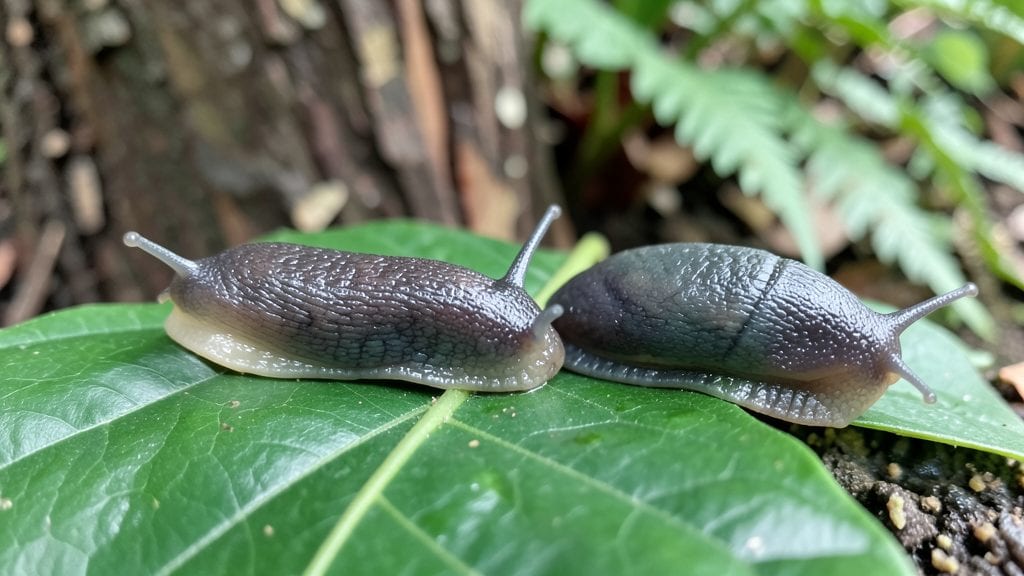
Slugs on trees are the silent destroyers of tender new growth, and I’ve lost count of how many young fruit trees I’ve watched get chewed to nubs before I caught on. 🌿 The damage isn’t just unsightly—it stunts growth, weakens branches, and turns your carefully planted saplings into slug buffets.
But here’s the good news: a simple copper barrier or diatomaceous earth ring can cut infestations by 80% without chemicals.
The worst offenders? Young fruit trees like apples, cherries, and peaches—slugs adore their soft bark and leaves. Ornamental trees with delicate foliage (think dogwoods or magnolias) are fair game too.
The key is acting fast: slugs leave telltale silvery trails and ragged edges on leaves, and if you spot those, it’s time to strike before they move on to your next prized plant.
This isn’t about spraying toxic baits or hoping for rain to wash them away. We’re talking low-tech, high-impact solutions: copper tape wrapped around trunks, crushed eggshells as a physical barrier, or even a shallow trench filled with beer (yes, really—slugs drown in it).
The results? Fewer slime trails, more leaves, and trees that grow strong instead of stressed.
Works for backyard orchards, city planters, or even a single prized maple. The best part? These methods keep working season after season without harming bees, birds, or your soil. Let’s get those trees protected the right way.
The Hidden Reasons Slugs Climb Trees
Seeing slugs slithering up your trees isn’t just a creepy sight—it’s a sign of deeper environmental and biological factors at play. These soft-bodied gastropods don’t naturally climb trees, so their presence usually points to specific conditions that make your landscape irresistible (or desperate enough) for them to take the risk.
Let’s break down the key triggers that turn your trees into slug highways.
Slugs are 90% water by weight, so they thrive in damp conditions. When your tree’s bark or surrounding soil stays soggy—whether from overwatering, poor drainage, or heavy rainfall—slugs get the perfect climbing boost. Here’s why:
- Bark as a Slip ‘N Slide: Wet bark loses grip, making it easier for slugs to scale smooth surfaces like birch, willow, or young fruit trees. Think of it like trying to climb a greased pole.
- Soil Moisture = Slug Buffet: Overly wet ground attracts slugs, and they’ll migrate upward to escape predators (like birds or beetles) or seek drier microclimates on tree trunks.
- Fungal Hitchhikers: Damp bark fosters mold and algae, which slugs eat. A tree covered in these growths becomes a five-star slug hotel.
Actionable Fix: Improve drainage around tree bases with gravel or organic mulch, and avoid watering at night to let surfaces dry faster.
Slugs are opportunistic eaters, and when their favorite snacks—decaying leaves, mushrooms, or garden veggies—disappear, they’ll climb trees to snack on:
- New Growth: Tender leaves, buds, or bark on young trees are a protein-rich meal for slugs.
- Fungal Feasts: Trees with lichen or moss (common on shady, humid trees) offer slugs an easy, high-moisture diet.
- Sap & Sticky Traps: Some slugs are drawn to tree sap, especially on wounded or stressed trees where oozing sap acts like a slug magnet.
Actionable Fix: Reduce food sources by removing fallen leaves, trimming overgrown branches to improve airflow, and treating fungal growths with copper-based fungicides.
Slugs have few natural enemies in trees—birds and beetles usually hunt them on the ground. But when your yard lacks predator-friendly habitats, slugs feel safe climbing:
- No Ground Predators: If your soil is compacted or treated with broad-spectrum pesticides, ground-dwelling predators (like ground beetles or toads) vanish, leaving slugs to roam freely.
- Tree Canopy Cover: Dense foliage shields slugs from sunlight and birds, giving them a protected highway to travel upward.
- Urban Heat Islands: In cities, concrete and asphalt bake the ground, forcing slugs to seek cooler, shadier spots—like the north side of trees.
Actionable Fix: Encourage predators with native plants, log piles, or birdhouses, and avoid chemical pesticides that harm beneficial insects.
When heavy rains or poor soil structure cause flooding or erosion, slugs are physically displaced from their preferred ground level. Their survival instinct kicks in, and they’ll:
- Climb to Higher Ground: Slugs can’t swim, so they’ll crawl onto tree trunks or roots to avoid drowning.
- Follow Water Streams: Rainwater running down bark creates tiny rivers that slugs follow upward, like salmon swimming upstream.
- Seek Shelter in Bark Crevices: Once wet, slugs will wedge themselves into rough bark or cracks to stay hydrated and hidden.
Actionable Fix: Install swales or French drains to redirect water away from tree bases, and use mulch to stabilize soil.
Understanding these triggers is the first step to outsmarting slugs before they turn your trees into their personal buffet. Next, we’ll explore natural barriers and repellents that can slash their tree-climbing habits by up to 80%—without harming your plants or the planet.
Quick Fixes for Tree Slugs
If you’ve spotted slimy trails or chewed leaves on your trees, it’s time to take action. Slugs and snails aren’t just a nuisance—they can defoliate young trees, weaken bark, and even kill saplings if left unchecked.
The good news? You don’t need harsh chemicals to win this battle. Below are practical, nature-friendly solutions tailored to the root causes of your slug problem, plus tips to keep them away for good.
Slugs and snails are soft-bodied pests that can’t climb smooth, dry surfaces. Block their access with simple, DIY-friendly barriers.
🔥 Copper Tape or Wire (Electrified or Not)
- Why it works: Slugs hate copper—it gives them a mild electric shock when they crawl over it.
- How to apply:
- Wrap copper tape (available at garden centers) around the trunk of young trees or container edges.
- For larger trees, use copper wire secured with staples or zip ties.
- Pro tip: 💡 If you don’t have copper, sandpaper or rough textured tape can also deter them by making surfaces uncomfortable to crawl on.
🍳 Crushed Eggshells or Diatomaceous Earth (DE)
- Why it works: Sharp edges from crushed eggshells or food-grade diatomaceous earth (DE) create an abrasive barrier that dehydrates slugs.
- How to apply:
- Sprinkle crushed eggshells (bake them first to kill bacteria) in a 2-inch-wide band around the base of the tree.
- For DE, apply a thin layer (reapply after rain).
- ⚠️ Warning: Avoid using DE on edible plants or near water sources—it can harm beneficial insects too.
👨🍳 Wood Ash or Gravel Mulch
- Why it works: Slugs avoid dry, granular surfaces like wood ash or coarse gravel.
- How to apply:
- Create a 3-inch-wide ring of wood ash (from untreated wood) or gravel around the tree’s base.
- Refresh every few weeks, especially after rain.
If your trees are mature but still under siege, smell-based deterrents can train slugs to stay away.
🥘 Coffee Grounds (Used, Not Fresh)
- Why it works: The bitter, acidic scent of used coffee grounds repels slugs.
- How to apply:
- Sprinkle dry coffee grounds around the base of the tree and under leaves.
- Reapply every 2-3 weeks or after rain.
🔪 Garlic & Chili Spray (Homemade Pest Deterrent)
- Why it works: Slugs hate spicy and pungent smells—this spray confuses and repels them.
- DIY Recipe:
- Blend 3 garlic cloves + 1 chili pepper with 1 liter of water.
- Strain, add 1 tsp of dish soap (as a sticker), and spray directly on slugs and leaves.
- Reapply every 5-7 days or after heavy rain.
🌡️ Beer Traps (For Heavy Infestations)
- Why it works: Slugs are drawn to fermented liquids—they crawl in but can’t crawl out.
- How to set it up:
- Bury a wide, shallow container (like a yogurt cup) flush with the ground.
- Fill with beer or stale ale (slugs drown within hours).
- Place 3-4 traps per tree in the evening for best results.
Instead of fighting slugs directly, invite their enemies into your garden. A balanced ecosystem is the most sustainable solution.
🐸 Frogs & Toads (Your Best Allies)
- Why it works: A single frog can eat 50+ slugs per night!
- How to attract them:
- Create shady, moist hiding spots (like flat rocks or logs).
- Avoid pesticides—they’ll kill frogs too.
🐞 Ground Beetles & Nematodes
- Why it works: Ground beetles hunt slugs at night, while beneficial nematodes (microscopic worms) paralyze and kill slug eggs.
- How to introduce them:
- Buy nematodes (like Phasmarhabditis hermaphrodita) online or at garden centers.
- Apply evening watering (they need moisture to survive).
🐦 Birds & Chickens (If You Have Space)
- Why it works: Robins, thrushes, and chickens love slugs as a snack.
- How to encourage them:
- Install a birdbath near trees.
- If you have chickens, let them free-range at dusk when slugs are most active.
The best defense is a slug-proof garden. Implement these proactive strategies to keep your trees safe:
- 💡 Water in the morning (slugs are nocturnal and avoid dry conditions).
- 🌱 Choose slug-resistant trees (e.g., Oak, Maple, or Pine—they’re less appealing than tender leaves).
- 🍂 Clear debris (slugs hide under leaves, mulch, and boards—keep the base of trees tidy).
- 🌿 Prune dense foliage (thick canopies trap moisture, making it slug-friendly).
- 🌱 Use raised beds for young trees (slugs struggle to reach elevated plants).
Final Thought: Slugs on trees don’t have to mean a lost battle—combine barriers, repellents, and natural predators for the best results. Start with copper tape or coffee grounds, then invite frogs and nematodes to keep the population in check.
With consistency, your trees will stay healthy, pest-free, and thriving! 🌳💚
Frequently asked questions
Why do slugs suddenly appear on my trees when they weren’t there before?
Slugs climb trees when ground conditions become unfavorable—think overwatering, poor drainage, or heavy rainfall. Wet bark acts like a slip ‘n slide, making it easier for them to scale trunks. They’re also drawn to trees with moss, lichen, or fungal growths, which provide food and shelter. Check for soggy soil or damp tree bases first.
Can I use salt to kill slugs on my trees?
While salt can kill slugs, it’s not recommended for trees. Salt spreads unpredictably, potentially harming roots and soil microbes. Instead, use copper tape, crushed eggshells, or diatomaceous earth—they’re safer and just as effective. Salt also creates a harsh environment that can kill beneficial insects too.
How do I know if slugs are damaging my tree or if it’s another pest?
Look for irregular holes in leaves, silvery slime trails, or ragged edges—these are classic slug signs. Other pests like caterpillars leave clean, smooth holes, while deer or rabbits cause clean bite marks. Slug damage is messy and often happens at night. Check under leaves or near the trunk for evidence.
Will slugs kill my tree if I don’t treat them?
Slugs rarely kill mature trees, but they can stunt growth, weaken bark, and defoliate young trees if left unchecked. Severe damage over time may leave trees vulnerable to disease. Act fast with copper barriers or nematodes to protect tender growth. Early intervention prevents long-term stress.
Are there any trees slugs avoid entirely?
Slugs prefer soft, tender leaves and bark, so oak, maple, or pine trees are less appealing. Their rough bark and resin make climbing difficult. For vulnerable trees like fruit trees or dogwoods, use copper tape or garlic sprays as extra protection. Choose resilient species for low-maintenance landscapes.