
Pests and Diseases
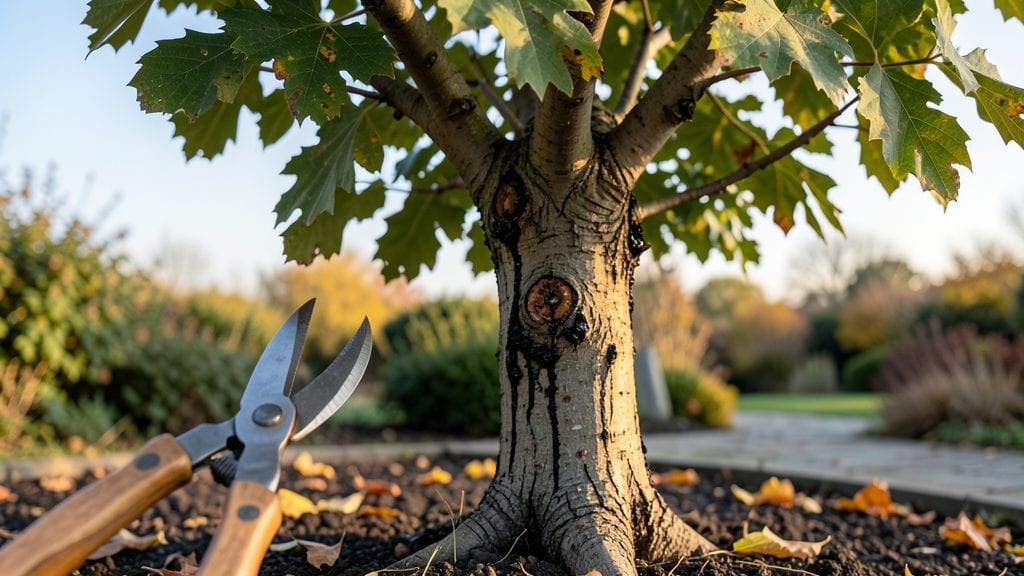
Sooty canker disease turns your mulberry tree’s bark into a blackened mess overnight. 🌿 I’ve watched this fungal nightmare spread across branches, turning vibrant leaves into crispy remnants—until I learned the early signs and how to stop it in its tracks.
The culprit, Leucostoma persoonii, thrives in wet conditions, creeping into wounds from pruning or storms. You’ll spot it as dark, sooty streaks on bark and oozing cankers that smell foul.
Left unchecked, it weakens the tree, causing heavy leaf drop and even death in severe cases—but catching it early makes all the difference.
With the right pruning techniques, copper-based sprays, and proper sanitation, you can save your tree. I’ve treated infected branches with a mix of fungicide and protective sealant, then monitored for new growth. The key? Act fast, stay consistent, and keep tools sterile to prevent reinfection.
This isn’t just about fixing damage—it’s about long-term prevention. Resistant mulberry varieties, improved air circulation, and avoiding overhead watering can keep your tree thriving for years. Let’s get your mulberry back to healthy, productive glory.
Root Causes Of Mulberry Tree Fungus
Sooty canker disease isn’t just a random strike—it’s the result of a perfect storm of fungal activity, environmental factors, and tree vulnerabilities. Understanding these triggers helps you spot risks early and take action before your mulberry tree becomes a fungal buffet. Let’s break down the key culprits.
The star of this show is the fungus Leucostoma personii (or related species like Leucocytospora), which thrives in wet, decaying wood. Here’s how it hijacks your tree:
- Spores in the air: Fungal spores lurk in soil, water, or even nearby infected trees. A single gust of wind or splashing rain can launch them onto your mulberry’s bark or wounds.
- Entry points: The fungus sneaks in through:
- 🔪 Pruning cuts left exposed (even if they “heal” superficially).
- 🌡️ Frost cracks or sun scald damage (common in mulberries with thin bark).
- 🐛 Insect tunnels (e.g., bark beetles) creating weak spots.
- Moisture magnet: The fungus needs wet conditions to germinate. Heavy dew, rain, or overhead irrigation turns bark into a fungal playground.
Pro Tip: 💡 Inspect pruning tools after use—fungal spores can hitchhike from infected trees to yours. Clean tools with 70% isopropyl alcohol or a 10% bleach solution between cuts.
Sooty canker doesn’t just happen—it’s often invited by Mother Nature. These weather patterns create ideal conditions:
| Factor | How It Helps the Fungus | Your Defense |
|---|---|---|
| 🌊 Prolonged Rain | Keeps bark damp for weeks, allowing spores to germinate and spread. | 🌡️ Improve drainage around the base; avoid overhead watering. |
| ☁️ High Humidity | Traps moisture in tree crevices, speeding up fungal growth. | ✨ Prune for airflow—thin dense branches to reduce humidity pockets. |
| 🥶 Freeze-Thaw Cycles | Cracks bark, creating wounds the fungus exploits. | 🔥 Apply protective wraps to young trees in winter. |
Pro Tip: 🌡️ Monitor local forecasts—if rain is predicted for 3+ days, it’s prime fungal time. Act fast with preventative sprays (like copper fungicide) before symptoms appear.
A healthy mulberry tree can resist sooty canker, but stress opens the door. Common stressors include:
- 🍃 Nutrient deficiencies: Lack of nitrogen, potassium, or zinc weakens bark and leaves, making them easier targets. Test soil and amend with compost or balanced fertilizer.
- 💧 Over/under-watering:
- Too much water: Soggy roots = poor nutrient uptake + fungal-friendly moisture.
- Too little water: Drought-stressed trees produce thin bark, prone to cracking.
- 🐛 Pest damage: Sap-sucking insects (like scale or mites) weaken trees, while burrowing pests (e.g., bark beetles) create entry points.
- 🌳 Poor pruning practices:
- 🔪 Cutting too close to branches (leave a ¼” collar to prevent deep wounds).
- 🍂 Pruning during wet weather (fungal spores thrive in fresh cuts).
Pro Tip: 🎯 Strengthen your tree’s defenses with a balanced fertilizer (like 10-10-10) in early spring, and mulch properly (2–4” of wood chips, not touching the trunk) to regulate soil moisture.
By addressing these root causes—whether it’s blocking fungal entry, controlling moisture, or boosting tree health—you can starve sooty canker of its favorite conditions. Next up: how to spot the early warning signs before it’s too late.
How to Fix Fungal Issues Fast
Sooty canker disease can feel like a losing battle if you don’t act fast, but with the right steps, you can save your mulberry tree and stop the spread. The key is addressing the root causes—fungal infections, poor tree health, and environmental stress—while reinforcing your tree’s defenses.
Below are practical, step-by-step solutions tailored to the most common triggers of sooty canker, plus prevention tips to keep your tree thriving long-term.
If you’ve spotted black, sunken cankers or oozing sap, the fungus is already at work. Prune aggressively to remove infected wood before it spreads.
- ✂️ How to prune safely:
- Use sterilized pruning shears (wipe with rubbing alcohol or bleach solution between cuts).
- Cut 6–12 inches below the visible canker to ensure you remove all infected tissue.
- Burn or dispose of pruned branches (do not compost them—the fungus can survive).
- Seal cuts with pruning sealant (like Tanglefoot Tree Wound Pruning Seal) to prevent secondary infections.
- 💡 Pro Tip: If cankers are deep or numerous, consult an arborist—sometimes, the tree may need partial removal to save the rest.
Sooty canker is caused by Leucostoma fungi, which thrive in wet conditions. Copper-based fungicides are the gold standard for treatment because they disrupt fungal cell walls without harming the tree (or beneficial insects).
- 🛡️ Best fungicide options:
- Copper fungicide sprays (e.g., Copper Sulfate, Bordeaux Mixture) – Apply every 2–4 weeks during wet seasons.
- Neem oil (organic option) – Helps suppress fungal spores but works best as a preventive measure.
- Systemic fungicides (like Propiconazole) – For severe cases, but use sparingly (follow label instructions).
- 🌧️ When to spray:
- Before rain (fungicides wash off easily).
- Early morning or late afternoon (reduces leaf burn from UV exposure).
- Cover the entire tree, including the trunk, branches, and undersides of leaves.
A weak or stressed mulberry tree is an open invitation to fungal infections. Strengthen its defenses with these easy care tweaks:
- 💧 Fix waterlogging issues:
- Ensure your tree isn’t planted in a low-lying area where water pools.
- Improve soil drainage by mixing in compost or sand (avoid heavy clay).
- Avoid overwatering—mulberry trees prefer well-drained soil.
- 🍃 Boost nutrition with the right fertilizer:
- Use a balanced, slow-release fertilizer (e.g., 10-10-10) in early spring.
- Avoid high-nitrogen fertilizers (they promote soft, fungus-prone growth).
- Mulch properly (2–4 inches of wood chips or straw, keeping it 6 inches away from the trunk).
- ☀️ Optimize sunlight & airflow:
- Thin out dense foliage to improve air circulation (fungi love humid, stagnant conditions).
- Plant in full sun (mulberry trees need 6+ hours of sunlight daily).
Sooty canker doesn’t disappear overnight—consistent action is key. Set up a seasonal care schedule:
| Season | Action | Frequency |
|---|---|---|
| Early Spring | Prune dead/diseased branches + first fungicide spray | Once |
| Late Spring | Apply fungicide before rainy season starts | Every 3–4 weeks |
| Summer | Check for new cankers; reseal pruning cuts if needed | Monthly |
| Fall | Final fungicide treatment before winter dormancy | Once |
| Winter | Remove fallen leaves/debris (burn or bag them) | As needed |
- 🔍 Watch for recurrence:
- If cankers reappear within a year, the tree may be chronically infected—consider replacing it if it’s young or non-sentimental.
The best defense is stopping the fungus before it starts. Here’s how:
- 🌡️ Avoid wounding the tree:
- Don’t use metal tools on the bark (they create entry points for fungi).
- Protect the trunk from lawnmower or weed whacker damage.
- 🚫 Remove nearby infected plants:
- If other trees/shrubs in your yard have canker or fungal diseases, treat them too—sooty canker spreads via spores.
- 🌧️ Improve yard drainage:
- Install French drains or swales if your garden floods after rain.
- 🐞 Encourage beneficial microbes:
- Mycorrhizal fungi (available as powder) can compete with harmful pathogens—sprinkle on roots in spring.
If your mulberry tree is already heavily infected, try these last-resort measures:
- 🔪 Partial debarking (for severe trunk cankers):
- Gently scrape off infected bark (wear gloves!) and apply copper fungicide to the raw wood.
- Cover with a breathable wrap (like tree wound dressing) to protect from sun/sap.
- 🌱 Replace if necessary:
- If the tree is past saving, remove it completely (roots included) to prevent reinfection.
Remember: A healthy mulberry tree is your best defense—stay vigilant, act fast, and soon you’ll have a fungus-free, thriving tree again! 🌿💪
Frequently asked questions
How do I tell if my mulberry tree has sooty canker disease?
Look for black, sunken cankers on branches and trunk, often oozing dark sap. You may also spot thick, sooty fungal growth and premature leaf drop in infected areas. Check the bark for cracked or peeling patches—these are classic signs the fungus has taken hold.
Can I save a mulberry tree with severe sooty canker?
It depends on the severity. For early-stage infections, aggressive pruning (cutting 6–12 inches below cankers) and copper fungicide sprays can work. However, if 50%+ of the trunk is infected or the tree is young, removal may be the best option to prevent spread to other plants.
What’s the best organic treatment for sooty canker?
Use copper fungicide (like Bordeaux mixture) or neem oil for organic control. Apply every 2–4 weeks during wet seasons, and ensure proper airflow and drainage to reduce fungal growth. Mycorrhizal fungi can also help by outcompeting harmful pathogens.
Will pruning alone stop sooty canker from spreading?
Pruning removes infected wood, but it’s only part of the solution. Always sterilize tools between cuts, dispose of pruned branches properly (don’t compost), and apply fungicide to prevent reinfection. Without follow-up treatment, new cankers often form within months.
How can I prevent sooty canker in healthy mulberry trees?
Focus on tree health and sanitation: prune in dry weather, avoid wounding the bark, and mulch properly (2–4 inches, 6 inches from the trunk). Use copper fungicide preventatively before rainy seasons, and remove fallen leaves/debris to eliminate fungal spores.