
Trees
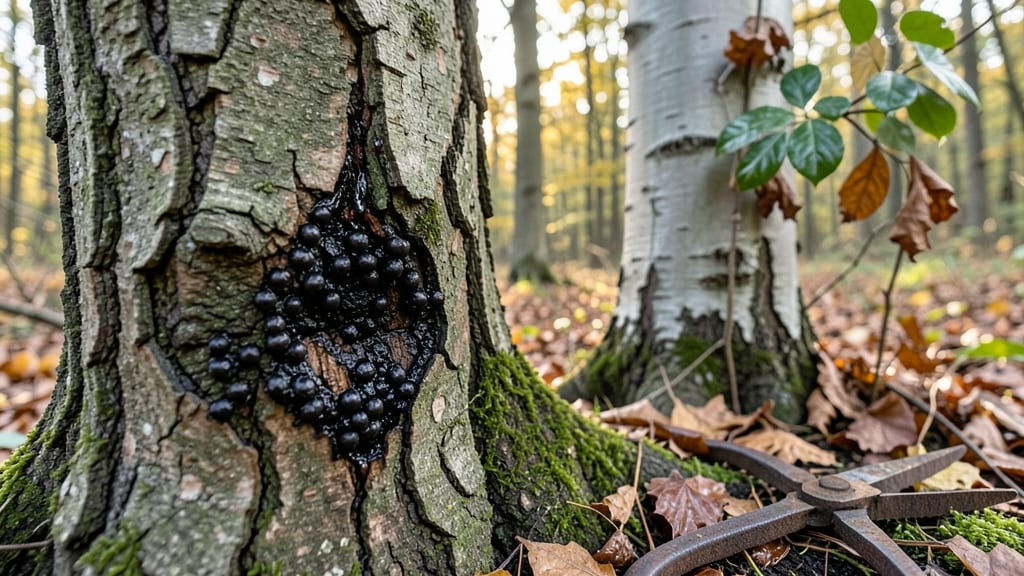
Tree infection fungus can turn a thriving oak into a skeleton in just a few seasons if you miss the early signs. 🌿 I’ve watched anthracnose turn my neighbor’s dogwood leaves to brown slime within weeks, and powdery mildew choke my apple tree’s fruit until it was barely recognizable.
The key to saving your trees isn’t waiting for the damage to be obvious—it’s catching the first whispers of trouble.
Fungal infections love stressed trees, and most start with something simple: too much shade, compacted soil, or last year’s pruning cuts that never healed.
You’ll spot them first on leaves—black spots, white dust, or weird yellowing—but the real danger hides in the bark: oozing cankers or mushrooms sprouting at the base. The good news? Healthy trees fight back better, and early action keeps fungi from gaining a foothold.
By the time you see mushrooms at the roots or branches snapping under fungal rot, the tree’s already fighting for its life. But catch it early—when you notice those first suspicious spots—and you can often reverse the damage with proper pruning, targeted fungicides, and a little soil care.
Think of it like a checkup: the sooner you act, the easier it is to keep your trees standing strong.
This works for everything from shade trees to fruit orchards, and the same principles apply whether you’re dealing with a $500 oak or your backyard apple tree.
The goal isn’t perfection—it’s giving your trees the best shot at staying healthy without breaking the bank or the back. Let’s get those trees fighting fit again.
Root Causes of Tree Fungus Spread
Fungal infections in trees don’t happen by accident—they thrive because of specific conditions that weaken defenses or create ideal growing environments. Understanding these triggers helps you spot risks early and take action. Here’s why fungal pathogens like Armillaria, Phytophthora, or Ceratocystis turn your trees into their next meal.
Trees rely on a complex defense system, but stress can cripple their ability to fight off fungi. When a tree’s immune response falters, opportunistic pathogens move in like vultures.
- Environmental Stressors Fungal infections often exploit trees already struggling with:
- Drought or Overwatering 💧: Too little water causes root desiccation, while soggy soil suffocates roots, making them vulnerable to Phytophthora (a soil-borne fungus).
- Poor Soil Nutrition 🌿: Deficiencies in nitrogen, phosphorus, or potassium weaken cellular walls, giving fungi easier access.
- Physical Damage ⚔️: Wounds from storms, construction, or improper pruning create entry points for spores.
- Pest Infestations Insects like bark beetles (Dendroctonus spp.) or borers tunnel into trees, leaving trails for fungi to follow. For example, beetle-killed pines often succumb to Ophiostoma fungi, which hitchhike on their larvae.
- Age and Decline Older trees with thinning bark or decaying heartwood are prime targets. Heart rot fungi (Fomes spp.) exploit these weak spots, turning structural wood into a spongy mess.
Fungi are like spoiled food in your fridge—they multiply when conditions are just right. These factors turn your yard into a fungal buffet:
- High Humidity and Moisture
- Leaf Wetness 🌧️: Fungi like Septoria or Anthracnose thrive when leaves stay damp for >12 hours (common after rain or overhead irrigation).
- Compacted or Waterlogged Soil 🏗️: Poor drainage creates anaerobic zones where Armillaria (the "shoestring root rot" fungus) spreads aggressively via underground rhizomorphs.
- Warm Temperatures Most tree fungi prefer 60–80°F (15–27°C). That’s why late spring and summer see outbreaks of powdery mildew (Erysiphe spp.) or black spot (Diplocarpon spp.) on oaks and maples.
- Organic Debris Buildup Piles of fallen leaves, mulch, or dead wood act as fungal nurseries. For instance, Heterobasidion (a conifer killer) spreads via infected stumps left after logging.
Sometimes, we’re the reason fungi win. Unintentional actions can introduce or spread infections:
- Contaminated Tools ⚒️: Pruners or saws carrying fungal spores from infected trees can jump-start new infections. Always sanitize tools with 70% alcohol between uses. - Improper Pruning ❌: Topping trees or making jagged cuts disrupts the bark’s protective layer, inviting Nectria canker fungi. - Animal Damage 🐿️: Gnawing rodents or deer (yes, really!) can create wounds that Cryphonectria (chestnut blight) exploits. - Planting Near Infected Trees 🚫: Fungi like Armillaria spread via underground networks.
Avoid planting new trees within 10–15 feet of a confirmed case.
Some fungi have sneaky survival strategies that make them harder to eradicate:
- Windborne Spores 💨: Pathogens like Ceratocystis (which causes oak wilt) release spores that hitch rides on breezes, infecting healthy trees miles away.
- Vector-Assisted Spread 🐜: Nematodes or beetles can carry fungal eggs or mycelium into tree roots, bypassing natural defenses.
- Dormant Spores ⏳: Some fungi (e.g., Gaeumannomyces for take-all root rot) lie dormant in soil for years, waiting for the perfect moment to strike.
To stop fungi before they start:
- Remove infected debris immediately (bag and trash it—don’t compost).
- Improve airflow around trees by thinning dense foliage.
- Test soil for pH and nutrients (fungi love acidic or imbalanced soil).
- Monitor high-risk trees (e.g., oaks, pines, and elms) in spring/summer.
By cutting off these pathways, you’re not just treating symptoms—you’re starving the fungus of its favorite conditions. 🚜🌳
How to Treat and Prevent Tree Fungus
Fungal infections can weaken or even kill trees if left unchecked, but early action can save your greenery. Below are practical, step-by-step solutions tailored to common causes—plus prevention tips to keep your trees thriving long-term.
If you’ve spotted discolored leaves, oozing cankers, or mushroom growth at the tree’s base, act fast.
- Prune infected branches (use sterilized tools 🔪 to avoid spreading spores).
- Cut 6–12 inches below the infected area to remove hidden fungus.
- Burn or bag (not compost) the clippings—never leave them on the ground.
- Remove dead/dying wood—fungus thrives in decaying tissue.
✨ Pro Tip: Disinfect pruners between cuts with 70% isopropyl alcohol or a 10% bleach solution (1 part bleach to 9 parts water).
Poor soil and humidity create the perfect fungus breeding ground.
| Problem | Fix |
|---|---|
| Compacted soil | Aerate the root zone with a soil probe or garden fork. Mix in compost to improve drainage. |
| Overwatering | Water deeply but less frequently (early morning is best). Ensure proper mulching (2–4 inches, not touching the trunk). |
| Shady, damp spots | Thin out dense foliage or prune nearby trees/shrubs to increase airflow. |
💡 Pro Tip: Raise the soil level slightly around the base (if needed) to prevent water pooling.
For severe or recurring infections, use targeted treatments—but prevention is key.
- Copper-based fungicides (e.g., copper sulfate) – Effective against anthracnose, apple scab, and leaf spot. - Spray early spring (before buds open) and after heavy rains. - Neem oil – A natural, organic option for mild infections (great for powdery mildew). - Mix 1 tbsp neem oil + 1 tsp mild soap per gallon of water.
Spray evenly on leaves (avoid direct sun to prevent leaf burn). - Systemic fungicides (e.g., propiconazole) – For deep-root infections (consult a certified arborist for application).
⚠️ Warning: Avoid overusing fungicides—they can harm beneficial microbes and pollinators. Use only as a last resort.
A healthy tree fights fungus better—boost its defenses with:
- Balanced fertilization – Test soil and apply slow-release, organic fertilizer (high in potassium and phosphorus). - Probiotics for soil – Mycorrhizal fungi (beneficial microbes) can outcompete pathogens.
Use mycorrhizal inoculants at planting. - Resistant tree varieties – If replacing, choose disease-resistant species (e.g., oak wilt-resistant elms or honey locust for fungal resistance).
🌡️ Pro Tip: Monitor tree stress—drought or root damage weakens defenses. Water deeply during dry spells and avoid root compaction.
Stop fungus before it starts with these low-effort habits:
✅ Inspect trees regularly – Check for early signs (yellowing leaves, weird spots) every 2–4 weeks in growing season. ✅ Clean up debris – Remove fallen leaves, fruit, and dead branches promptly (fungus spores overwinter in organic matter). ✅ Avoid wounding trees – Prune correctly (make clean cuts) and protect trunks from lawnmower damage. ✅ Space trees properly – 3–5 feet apart (depending on species) for better airflow. ✅ Mulch correctly – Use wood chips or bark mulch (not fresh wood), keeping it 2–4 inches deep and away from the trunk.
🎯 Final Tip: Healthy soil = healthy trees—test soil pH (ideal: 6.0–7.0) and amend as needed (lime for acidity, sulfur for alkalinity).
By following these targeted fixes and preventive steps, you’ll minimize fungal threats and keep your trees strong and disease-free for years. 🌳💪
Frequently asked questions
What are the first signs of tree fungus I should watch for?
Look for discolored leaves (yellow, brown, or black spots), powdery white coatings (like on berries or leaves), or oozing cankers on branches. Early signs also include premature leaf drop or mushrooms growing at the tree’s base—these indicate root rot or decay.
Can I save a tree with a fungal infection, or should I remove it?
It depends on the severity! For mild cases (like powdery mildew), pruning infected parts and treating with fungicide can work. But if you see large cankers, extensive root mushrooms, or 50%+ leaf loss, removal may be safest to prevent spread. Always consult an arborist for aggressive infections like oak wilt.
How do I know if my tree has root rot versus another fungal disease?
Root rot causes wilted leaves even when soil is wet, mushrooms at the base, and soft, spongy roots when dug up. Other fungi (like anthracnose) attack leaves first. Dig carefully near the trunk—if roots smell foul and look mushy, it’s likely root rot caused by Phytophthora.
Are homemade fungicides effective, or should I use store-bought?
Homemade options like neem oil or baking soda spray (1 tsp baking soda + 1 quart water) work for mild cases like powdery mildew. For serious infections (e.g., canker or oak wilt), use copper fungicides or propiconazole. Always test small areas first and reapply after rain.