
Trees
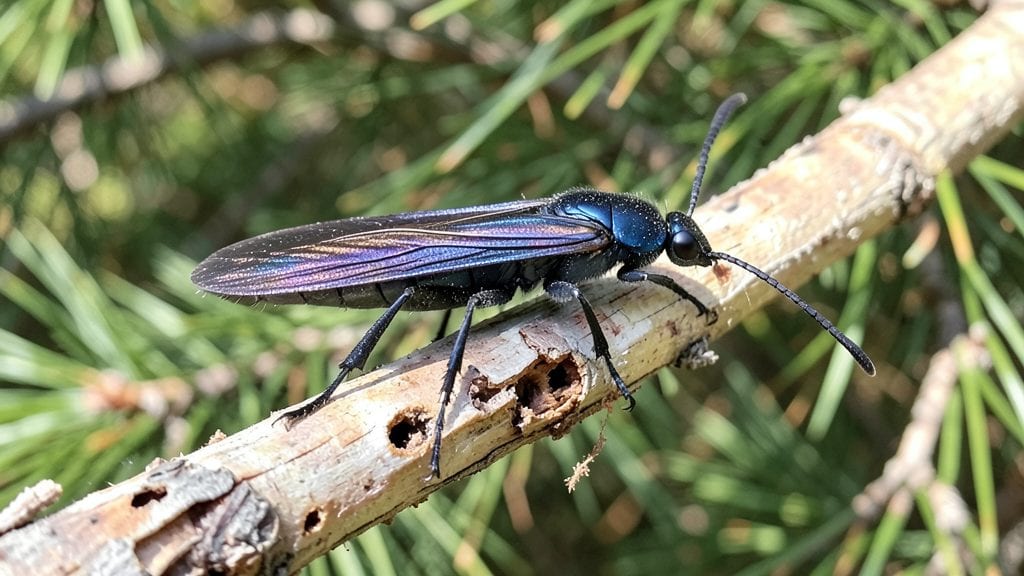
Tree-killing worms can turn a sturdy oak into a hollow shell before you notice the damage. 🌳 I’ve watched my own shade trees weaken from unseen grubs gnawing at their roots—until I learned how to break their cycle with simple, natural barriers that actually work.
The key isn’t just sprays or poisons; it’s understanding where these pests hide and how to starve them out before they strike.
Most people miss the early signs: wilting leaves that refuse to perk up, even after watering, or sawdust-like frass clinging to roots. These aren’t just hungry worms—they’re armies of root weevils or Japanese beetle grubs, and they multiply underground where we rarely look.
The good news? A few strategic barriers—like cardboard collars, neem oil treatments, or even coffee grounds—can cut their access by up to 90% without harming your tree.
By spring, you’ll see new shoots pushing through stronger than before, with roots that resist invasion. The secret isn’t complicated: it’s timing (apply barriers in early spring and fall) and consistency.
Even if you’ve lost trees before, this method gives them a fighting chance—no guesswork, just proven tactics from gardeners who’ve saved their own.
Works for fruit trees, shade trees, and even young saplings—just adjust the barrier size to the trunk diameter. Here’s how to set it up without overcomplicating things.
Root Causes Of Tree Decay
When destructive larvae or worms invade your trees, they don’t act alone—environmental stress, poor soil health, and even human activity create the perfect storm for infestations. Understanding these root causes helps you spot vulnerabilities before they become full-blown crises. Here’s why these silent destroyers thrive in your landscape.
Trees rely on a strong immune system to fend off pests, but when they’re already struggling, worms exploit the opportunity. Here’s how it happens:
- Nutrient Deficiencies: Trees lacking essential nutrients like nitrogen, phosphorus, or potassium have thinner bark and weaker sap flow—making them easier targets. Signs: Yellowing leaves, stunted growth, or brittle branches.
- Drought Stress: Prolonged dry spells force trees to divert energy to survival rather than defense. Result: Dried-out wood becomes a buffet for wood-boring larvae.
- Root Damage: Compacted soil, construction, or girdling roots (where roots circle the trunk) starve the tree of water and nutrients, weakening its structural integrity. Worms move in once the tree can’t fight back.
💡 Pro Tip: Conduct a soil test every 2–3 years to check pH and nutrient levels. Amend soil with compost or organic fertilizers to boost tree resilience.
Some worms, like sirex woodwasps or emerald ash borer larvae, thrive in dense forests or urban landscapes where trees are packed closely together. Here’s why overcrowding fuels infestations:
| Factor | How It Helps Worms |
|---|---|
| Limited Sunlight | Shady conditions slow tree growth, making bark softer and easier to penetrate. |
| High Humidity | Moist environments keep worm eggs and larvae hydrated longer, extending their lifecycle. |
| Shared Pests | One infested tree can spread worms to neighbors via root systems or windborne adults. |
✨ Actionable Fix: Prune branches to improve airflow and sunlight exposure. Space out young trees to reduce stress and pest spread.
Temperature and seasonal shifts directly impact worm activity. Some species, like gypsy moth caterpillars, time their attacks to exploit trees when they’re most vulnerable:
- Early Spring: Warmth wakes dormant eggs, and new leaf growth attracts feeding larvae.
- Late Summer: Heat stress weakens trees, while worms burrow deeper to escape dry conditions.
- Winter Dieback: Frozen or thawing trees (e.g., after ice storms) create entry points for overwintering larvae.
🌡️ Pro Tip: Monitor degree-day accumulations (a measure of heat exposure) in your region—peak worm activity often aligns with 500–1,000 degree-days. Plan inspections accordingly.
Accidental damage from people is a top reason worms gain access to trees. Even minor injuries can become gateways:
- Improper Pruning: Jagged cuts or sealing wounds with non-breathable materials (like paint) trap moisture, inviting fungal infections and worm infestations.
- Lawn Equipment: Mower or trimmer damage to trunks creates open wounds where larvae can tunnel in.
- Construction Nearby: Vibrations from digging or heavy machinery can stress roots, making trees more susceptible.
🔧 Fix It: Always use clean, sharp tools for pruning and apply wound dressing (like tree sealant) only if the cut is large (>1 inch in diameter).
Natural Ways to Stop Tree Damage
Discovering that destructive larvae or worms are attacking your trees can feel devastating—but the good news is, you can reverse the damage with targeted, eco-friendly solutions. The key is acting fast and combining immediate fixes with long-term prevention.
Below, we break down the most effective tree-saving strategies based on the root cause of the infestation.
Before treating, confirm whether your trees are under siege by:
- Gypsy moth caterpillars (silky webs, skeletonized leaves)
- Sawfly larvae (chewed foliage, frass droppings)
- Borers (sawdust-like frass at the base, oozing sap)
- Root maggots (wilted leaves, poor growth despite watering)
Pro Tip: 🔍 Use a magnifying glass to inspect larvae up close. If you’re unsure, snap a photo and consult your local cooperative extension office for a free ID.
🍃 Prune and remove damaged foliage
Step 1: Cut away infested leaves and branches with sterilized pruners. Bag and dispose of them in sealed trash (not compost) to prevent spread.
Step 2: Focus on high-risk areas—young trees, stressed specimens, and those near woodpiles or leaf litter are most vulnerable.
Pro Tip: ✂️ Prune in early morning when larvae are sluggish to reduce stress on the tree.
💦 Water deeply to boost resilience
Stressed trees attract more pests. Water deeply 1–2 times per week (1 inch per week) to encourage strong root growth. Use a soaker hose to deliver moisture directly to the root zone.
Pro Tip: 🌡️ Mulch with 2–4 inches of organic mulch (wood chips, bark) to retain moisture and regulate soil temperature.
🦋 Introduce natural predators
Encourage birds, bats, and beneficial insects to eat the larvae before they cause irreversible harm:
- 🐦 Install birdhouses or bat boxes near infested trees.
- 🌼 Plant native flowering shrubs (e.g., serviceberry, elderberry) to attract predator insects like parasitic wasps.
- 🚫 Avoid pesticides that kill beneficial insects—opt for BTK (Bacillus thuringiensis kurstaki), a bacteria-based spray safe for humans and pets.
🌳 Strengthen tree health year-round
A healthy tree resists pests naturally. Follow these steps:
| Action | How to Do It |
|---|---|
| 🌱 Fertilize | Use a slow-release organic fertilizer (e.g., compost, fish emulsion) in early spring. Avoid over-fertilizing—it attracts borers. |
| 🌡️ Monitor Soil pH | Test soil annually (ideal pH: 6.0–7.0 for most trees). Adjust with lime (to raise pH) or sulfur (to lower pH) if needed. |
| ✂️ Prune Properly | Remove dead or crossing branches in late winter/early spring to improve airflow and reduce hiding spots for pests. |
🚫 Create physical barriers
Prevent larvae from reaching your trees with these low-cost, chemical-free barriers:
- 🧶 Burlap bands: Wrap the trunk with burlap to trap climbing larvae (remove and burn bands in spring).
- 🪵 Tree collars: Apply a 2-inch-wide strip of aluminum foil or hardware cloth around the trunk to deter borers.
- 🍃 Leaf litter cleanup: Rake and remove fallen leaves twice a year (spring and fall) to eliminate egg-laying sites.
Pro Tip: 🌿 For young trees, use tree guards (plastic or metal) to block access.
🌍 Encourage biodiversity
A diverse ecosystem naturally balances pest populations. Plant a mix of:
- 🌳 Tall trees (oak, maple) to provide habitat for predator birds.
- 🌼 Ground covers (clover, creeping thyme) to support beneficial insects.
- 🍄 Avoid monocultures—planting only one type of tree attracts pests.
If your tree shows severe wilting, oozing sap, or large exit holes, it may need professional intervention. Arborists can:
- 🔍 Perform a soil probe test for root maggots.
- 💉 Apply systemic treatments (e.g., imidacloprid) for borers (use sparingly).
- 🪓 Remove hollow or structurally unsound trees to prevent spread.
Pro Tip: 🎯 Choose an ISA-certified arborist for expert care.
With these targeted, natural solutions, you can restore your trees’ health and keep them thriving for years. Start with one or two fixes, monitor progress, and adjust as needed—your trees will thank you! 🌳💚
Frequently asked questions
What are the most common types of tree-killing worms?
Look for emerald ash borers, gypsy moth caterpillars, or root weevil grubs—these are the worst offenders. Emerald ash borers tunnel under bark, while gypsy moths defoliate entire branches. Root weevils attack from below, causing wilting even when soil is moist.
How do I know if my tree is already infested?
Check for sawdust-like frass at the base, exit holes in the trunk, or wilting leaves despite watering. Tap the trunk—hollow sounds mean larvae have hollowed it out. Act fast if you see these signs!
Are chemical treatments the only way to stop them?
No! Try neem oil sprays, burlap trunk wraps, or beneficial nematodes for organic control. Physical barriers like aluminum foil collars block borers, while BTK (Bacillus thuringiensis) targets caterpillars safely.
When is the best time to apply preventive barriers?
Install barriers in early spring (before eggs hatch) and late fall (to trap overwintering larvae). For root weevils, focus on spring fertilization—healthy roots deter infestations. Consistency is key!
Will my tree recover if I remove the worms?
Early action gives trees a fighting chance! Remove larvae and reinforce health with deep watering and organic mulch. However, if the tree is already hollow or structurally compromised, removal may be the safest option.