
Landscaping
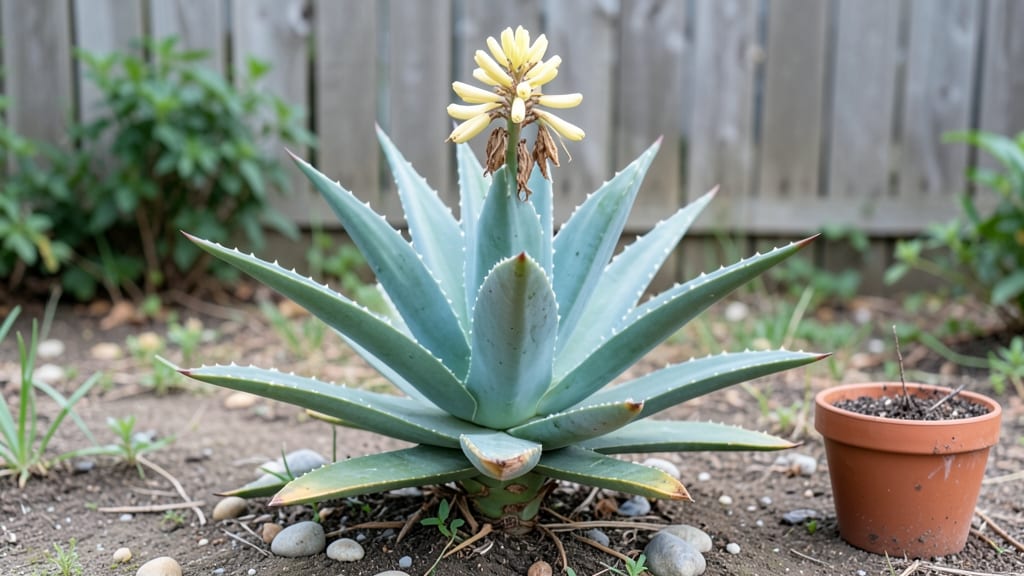
Creating a tree of life landscape transforms your yard into a living tapestry of renewal and beauty. 🌿 I stumbled upon this concept after struggling with boring, high-maintenance hedges that never quite delivered on privacy or charm.
The magic happens when you layer evergreens for structure, flowering shrubs for seasonal color, and native plants that thrive with minimal fuss.
The best part? This design works in any climate—whether you're in a dry desert or a humid coastal area. In my own yard, a mix of arborvitae for year-round privacy, fragrant lilacs for spring blooms, and drought-tolerant lavender for texture creates a lush, low-maintenance retreat.
The key is balancing evergreens with seasonal interest so your landscape stays vibrant all year.
By the end of the season, you'll have a private oasis that smells amazing in spring, stays lush in summer, and even offers subtle winter interest. The best designs incorporate paths that invite exploration, like a mini nature walk through your own garden sanctuary.
Plus, you'll reduce watering and maintenance dramatically compared to traditional landscaping.
This approach scales from small urban backyards to spacious country gardens. Whether you're starting fresh or refreshing an existing space, the tree of life theme brings both practical benefits and deep symbolic meaning to your outdoor living area. Let's bring this vision to life with plants that grow together beautifully.
📚 In This Guide
- What you need
- Instructions
- Tips and common mistakes
- Wrapping up and next steps
What you need
- ● Plants: 1–3 Ficus religiosa (Sacred Fig Tree) – Mature size (15–25 ft tall, 10–15 ft wide)
- ● 5–7 Gardenia jasminoides (Cap jasmine) – Fragrant, evergreen shrubs (3–6 ft tall, 3–5 ft wide)
- ● 3–5 Osmanthus fragrans (Sweet olive) – Drought-tolerant, aromatic shrubs (6–10 ft tall, 4–6 ft wide)
- ● 1–2 Camellia japonica – Winter-blooming, glossy foliage (6–10 ft tall, 5–8 ft wide)
- ○ Ground cover options (optional but recommended): Liriope muscari (Lily turf) – 10–15 plants for full coverage
- ● Ajuga reptans (Bugleweed) – 8–12 plants for vibrant color
- ● Soil & Amendments: 50–100 sq ft of well-draining, acidic soil (pH 5.5–6.5) – Mix with peat moss or pine bark fines (2–3 bags)
- ● Slow-release organic fertilizer (e.g., 10-10-10 or composted manure) – 1–2 bags
- ● Mulch: 2–3 cubic yards of organic mulch (pine straw, bark, or cypress) to retain moisture and suppress weeds
- ● Shovel & spade – For digging and planting
- ● Garden trowel – For delicate planting and soil adjustments
- ● Wheelbarrow – For transporting soil and mulch
- ● Pruning shears – For shaping and maintaining plants
- ● Measuring tape & string – For layout planning
- ● Garden hose with spray nozzle – For watering
- ○ Optional but helpful: Soil pH tester – To ensure optimal conditions
- ● Drip irrigation kit – For efficient watering
- ● Knee pads – For comfort during planting
- ● ✅ Sunlight assessment: Choose a spot with partial shade to full sun (most plants thrive in 4–6 hours of sunlight daily).
- ● ✅ Water access: Ensure a nearby water source or irrigation system for consistent moisture.
- ● ✅ Local climate check: Verify hardiness zones (most plants in this design suit Zones 7–10).
- ● ✅ Permits (if applicable): Check local regulations for large tree planting (especially Ficus religiosa).
How to design a tree of life landscape for seasonal beauty and privacy
This layered approach combines evergreens, flowering shrubs, and seasonal accents for a living wall that stays lush year-round.
🌱 Step 1: Plan Your Layered Structure for Year-Round Interest
Start by sketching a 3-tiered layout: a tall evergreen backbone (6-10 feet) for privacy, a mid-height flowering layer (3-6 feet) for spring color, and a low groundcover (under 2 feet) to fill gaps. I like using 4-6 evergreen trees spaced 6-8 feet apart—think arborvitae or Leyland cypress for dense growth. These will form your privacy screen.
Next, place 3-4 flowering shrubs (like lilacs or hydrangeas) in front of the evergreens, staggered so blooms spill over the height range. Finally, add 2-3 groundcover plants (like creeping thyme or ajuga) between the shrubs to prevent weeds and add texture. This creates a living tapestry that changes with seasons but never looks bare.
☀️ Step 2: Choose Plants for Seasonal Renewal and Fragrance
For your evergreen backbone, select varieties that thrive in your climate zone—arborvitae or empress trees work well in most regions. These stay green year-round and grow quickly to fill space. I plant mine 8 feet apart to allow air circulation and prevent disease.
For spring fragrance, add 2-3 shrubs like lilacs or mock orange—their blooms attract pollinators and fill the air with scent. Place these 3-4 feet in front of the evergreens so their branches spill over the edge, creating a cascading effect. In summer, hydrangeas or butterfly bush add color, while fall foliage from smoke bush or ornamental grasses keeps interest high.
💧 Step 3: Prepare the Soil for Long-Term Health
Test your soil first—most privacy screens need well-draining, slightly acidic soil (pH 6.0-7.0). Amend with 3-4 inches of compost mixed into the top 12 inches of soil to improve fertility. I also add a slow-release fertilizer (like 10-10-10) at planting time to give roots a strong start.
For newly planted trees and shrubs, dig holes twice as wide as the root ball but no deeper. This encourages roots to spread outward instead of circling. Water deeply after planting to settle the soil, then mulch with 2-3 inches of shredded bark (keep mulch 6 inches away from stems to prevent rot). This conserves moisture and regulates soil temperature.
✂️ Step 4: Prune and Maintain for Yearly Renewal
Prune evergreens in late winter or early spring (before new growth starts) to shape them and remove dead branches. I use clean, sharp pruners and make cuts just outside the branch collar. For flowering shrubs, prune right after blooming to encourage next year’s flowers—never cut back into old wood.
Water deeply once a week during the first growing season to establish roots, then taper to every 2-3 weeks once established (unless in extreme heat). Fertilize twice a year: once in early spring and again in mid-summer with a balanced fertilizer. This keeps your "tree of life" thriving without overwhelming it.
🪴 Step 5: Add Seasonal Accents for Continuous Beauty
In spring, tuck bulbs like daffodils or tulips under shrubs—they’ll bloom early and fade before summer growth starts. For summer, add annuals like impatiens or petunias in containers or along the base of shrubs for pops of color. In fall, scatter mums or ornamental kale for late-season interest.
This rotating display keeps your landscape dynamic without requiring major changes. Just swap out spent plants in early spring and repeat. Over time, your "tree of life" will become a self-sustaining, fragrant privacy screen that evolves with the seasons.
Tips & tricks for perfect tree of life landscaping
Creating a thriving "tree of life" landscape takes thoughtful planning—here are my go-to tips to help you avoid common pitfalls and maximize seasonal beauty.
Plant Placement Precision: When arranging your 4-6 evergreen trees in Step 1, space them 6-8 feet apart but consider their mature width too. Leyland cypress, for example, can grow 3 feet wide per year—so if you want a dense screen, leave extra room. I always sketch a scaled layout first to visualize how branches will fill in over time. This prevents overcrowding and ensures your privacy screen grows uniformly.
Layering for Visual Impact: In Step 1, the key to that "living tapestry" look is staggering heights. Place your tallest evergreens at the back, then position flowering shrubs so their branches spill over the edges of the taller plants. For example, if your evergreens reach 8 feet tall, place lilacs 3 feet in front but slightly off-center so blooms create a cascading effect. This creates depth and prevents a flat, uniform look.
Soil Prep Shortcut: Testing soil pH (Step 3) can feel overwhelming, but you can skip the lab test if you know your region's typical soil type. Most northern climates have naturally acidic soil (pH 6.0-7.0), while southern areas often need amendments. I add 3-4 inches of compost to all my planting sites as a universal fix—it improves drainage, adds nutrients, and adjusts pH gradually without harsh chemicals. Just mix it into the top 12 inches of soil before planting.
Pruning Timing Secret: The late winter/early spring pruning window in Step 4 is crucial for evergreens, but I've learned the hard way that timing matters even more for flowering shrubs. Prune lilacs and hydrangeas immediately after blooming—not a week later. Waiting too long cuts off next year's flower buds. I mark my calendar with bloom dates from last year to plan pruning perfectly. For summer-blooming shrubs like butterfly bush, you can prune anytime after flowering.
Pro Tips for Tree Of Life Landscape
- Creating a thriving "tree of life" landscape takes thoughtful planning—here are my go-to tips to help you avoid common pitfalls and maximize seasonal beauty.
- Plant Placement Precision: When arranging your 4-6 evergreen trees in Step 1, space them 6-8 feet apart but consider their mature width too.
- Layering for Visual Impact: In Step 1, the key to that "living tapestry" look is staggering heights.
Frequently asked questions
Frequently Asked Questions About Tree of Life Landscapes
Got questions about creating a Tree of Life landscape? You’re not alone! Here are some of the most common concerns—plus straightforward answers to help you plan with confidence.
What’s the best time of year to plant a Tree of Life?
The ideal time is early spring or fall when temperatures are mild and rainfall is steady. Planting in late winter (before buds swell) or early autumn (before frost) gives roots time to establish before extreme weather. Avoid summer heat or winter freezes—both can stress young plants!
How much space does a Tree of Life need to thrive?
These trees typically grow 15–30 feet tall and wide, depending on the species. For privacy screens, space them 10–15 feet apart in rows. If using as a focal point, allow at least 20 feet of clearance from structures (like houses or fences) to prevent root or branch conflicts.
Can I mix Tree of Life with other plants for year-round interest?
Pair them with evergreens (like boxwoods or holly) for winter structure, spring bulbs (daffodils or tulips) for early color, and perennials (hostas or ferns) for layered texture. Just ensure companions have similar water and light needs—most Tree of Life varieties prefer partial shade.
What’s the biggest mistake people make when planting a Tree of Life?
Digging too shallow or burying the root flare (the swollen base where roots meet the trunk). Pro tip: The root flare should sit just above ground level—burying it can cause rot. Also, avoid compacting soil around the roots; gently loosen it to encourage airflow and growth.
How do I protect my Tree of Life from pests or diseases?
Monitor for aphids, scale, or fungal spots (common in humid climates). Prune infected branches immediately and apply neem oil or horticultural soap for organic pest control. Ensure proper spacing for airflow, and mulch 2–3 inches deep (but keep it away from the trunk) to retain moisture and deter weeds.
Wrapping up and next steps
A Tree of Life landscape isn’t just a stunning visual—it’s a living masterpiece that blooms with fragrance, thrives year-round, and renews itself with grace. Whether you’re drawn to its privacy, seasonal charm, or low-maintenance beauty, this design offers endless rewards with minimal effort. 🌿
Ready to transform your outdoor space? Start by sketching your vision, gathering materials, and taking the first step—your future garden awaits!
- 🌱 Plan your layout with confidence
- 🌿 Plant with purpose for year-round joy
- ✨ Enjoy the process—one bloom at a time!