
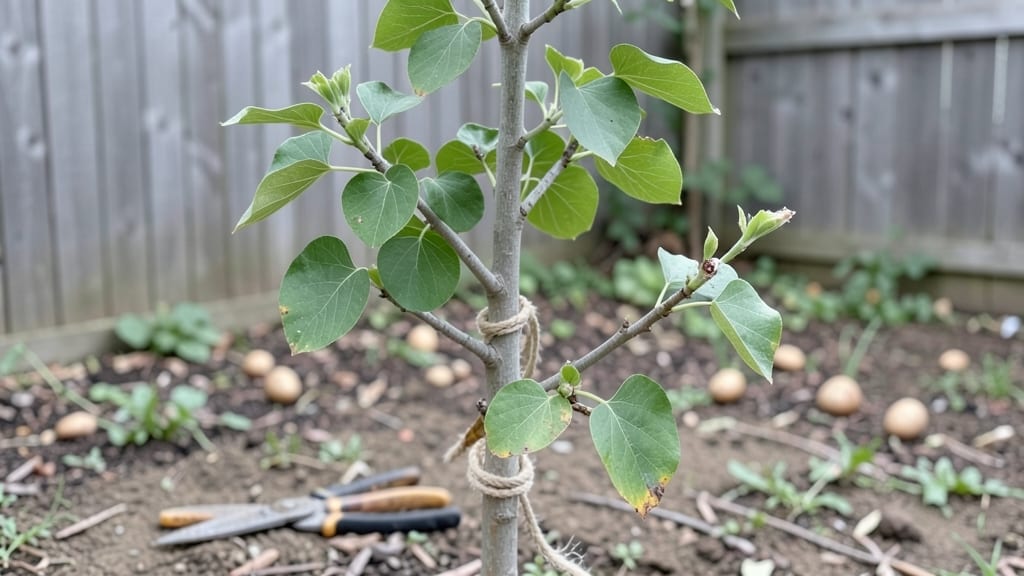
Tree Shaping Ideas: 10 Proven Techniques for Year-Round Garden Elegance

Trees

Tree Shaping Ideas: 10 Proven Techniques for Year-Round Garden Elegance

Unleash your creativity with these tree shaping ideas—where every branch becomes part of your yard’s living masterpiece 🌳, and each prune transforms your garden into a year-round gallery.

Picture this: your backyard transformed from ordinary to extraordinary, with trees that look like living sculptures instead of just another green backdrop. The key? A mix of pruning precision and creative flair that keeps your trees healthy while making them the stars of your outdoor space.

Whether you're drawn to the structured elegance of topiary, the whimsical curves of bonsai, or the rustic charm of espalier, there’s a shaping technique that fits your style—and your garden’s needs.

Below, I’ll walk you through 10 proven methods, from beginner-friendly trims to advanced designs, so you can start shaping your trees with confidence.

You’ll discover the right tools, step-by-step guidance, and seasonal tips to keep your trees thriving while turning heads in your neighborhood. Let’s get started!

10 Proven tree shaping techniques for every garden style

Every garden deserves a touch of elegance, and tree shaping transforms ordinary trees into stunning focal points. Whether you have a small urban patio or a sprawling backyard, these 10 proven techniques will help you create artistry while maintaining plant health.

From classic topiary to modern espalier designs, each method offers unique visual appeal and practical benefits. Let’s explore how to shape trees to fit your garden’s style and space.

Before diving into techniques, it’s essential to choose the right tree species for your climate and goals. Fast-growing varieties like willow or poplar work well for bold shapes, while slow-growing beech or boxwood are perfect for intricate designs.

Always consider pruning timing—early spring or late fall are ideal for most trees to avoid stressing the plant during extreme weather.

Here’s a quick overview of the 10 tree shaping techniques we’ll cover, complete with ideal species and care tips to get you started:

How to choose the right tree shaping technique for your climate and space

Selecting the perfect tree shaping technique depends on your local climate, available space, and sunlight exposure. Different regions—whether Mediterranean, temperate, or tropical—offer unique challenges and opportunities for creative pruning.

For example, drought-resistant species like olive trees thrive with minimal water, while fast-growing willows need regular trimming to control sprawl in temperate zones. Start by assessing your garden’s microclimate and soil type to narrow down the best approach.

Your yard size is another critical factor. Small urban gardens benefit from espaliered trees or bonsai-inspired forms, while sprawling rural properties can accommodate pollarding or standard topiary. Even container gardening allows for creative shaping with dwarf varieties.

Consider how much maintenance you’re willing to commit to—some techniques, like formal hedging, require frequent trims, while others, like naturalistic shaping, need minimal intervention once established.

Technique Ideal Tree Species Best For Pruning Time
Espalier Apple, Pear, Hornbeam Small gardens, fruit production Late winter/early spring
Topiary Boxwood, Yew, Privet Formal gardens, hedges Spring and summer
Pollarding Willow, Oak, Horse Chestnut Urban landscapes, large trees Late winter
Bonsai Juniper, Ficus, Pine Indoor/outdoor miniatures Year-round (light pruning)
Coppicing Alder, Hazel, Willow Wildlife habitats, rustic looks Winter (dormant season)
Standard Tree Crabapple, Magnolia, Lilac Formal gardens, centerpieces Early spring
Weeping Style Weeping Willow, Cherry, Beech Water features, dramatic effect Late winter
Trellis Training Grapevine, Wisteria, Clematis Vertical gardens, pergolas Spring and summer
Hedge Shaping Hawthorn, Laurel, Privet Privacy screens, borders Spring and fall
Technique Best For Climate Zones Space Needs Sunlight Needs
Espalier Fruit trees, small gardens Temperate, Mediterranean Compact (against walls/fences) Full sun (6+ hours)
Pollarding Fast-growing species (willow, lime) Temperate, Tropical Spacious (open areas) Full sun to partial shade
Topiary Formal gardens, hedges Mediterranean, Temperate Moderate (structured spaces) Full sun to partial shade
Bonsai Dwarf trees, containers Temperate, Indoor (with grow lights) Small (tables, shelves) Indirect light (morning sun)
Naturalistic Wildlife-friendly gardens All zones Varies (minimal constraints) Adapts to light conditions
Standard Shaping Street trees, large landscapes Tropical, Temperate Large (open spaces) Full sun to partial shade

For Mediterranean climates, prioritize drought-tolerant species like olive or cypress, which pair well with espalier or formal topiary. These techniques thrive in hot, dry summers with minimal water.

In temperate zones, where seasons shift dramatically, pollarding or layering works well for species like apple or pear trees, encouraging robust growth in spring and summer. Meanwhile, tropical climates allow for bold, lush shaping like standard trees or umbrella forms, perfect for year-round greenery.

Don’t overlook soil conditions—sandy soil drains quickly, ideal for pollarding, while clay-heavy soil may require raised beds for container shaping like bonsai. Test your soil’s pH level and drainage to match it with the right tree species.

For instance, acidic soil suits azaleas or rhododendrons, while alkaline soil pairs better with crepe myrtle or crape myrtle for topiary projects. Always amend soil with compost or organic matter to improve texture and fertility.

Finally, consider seasonal timing. Prune dormant trees in late winter or early spring before new growth begins, while evergreens can be shaped anytime except in extreme heat. In tropical zones, shaping can occur year-round, but avoid heavy pruning during monsoon seasons to prevent stress.

Always use sharp, sterilized tools and seal cuts with pruning paste to protect against pests and disease. With the right technique and timing, your trees will flourish while adding artistic flair to your landscape.

Experiment with a few small-scale projects first, like shaping a dwarf fruit tree or a container bonsai, to build confidence before tackling larger trees. The key is patience—tree shaping is a gradual process that rewards both aesthetic appeal and plant health over time. 🌳

★★★★★5.0(11 reviews)
Categories Trees