
Flowers
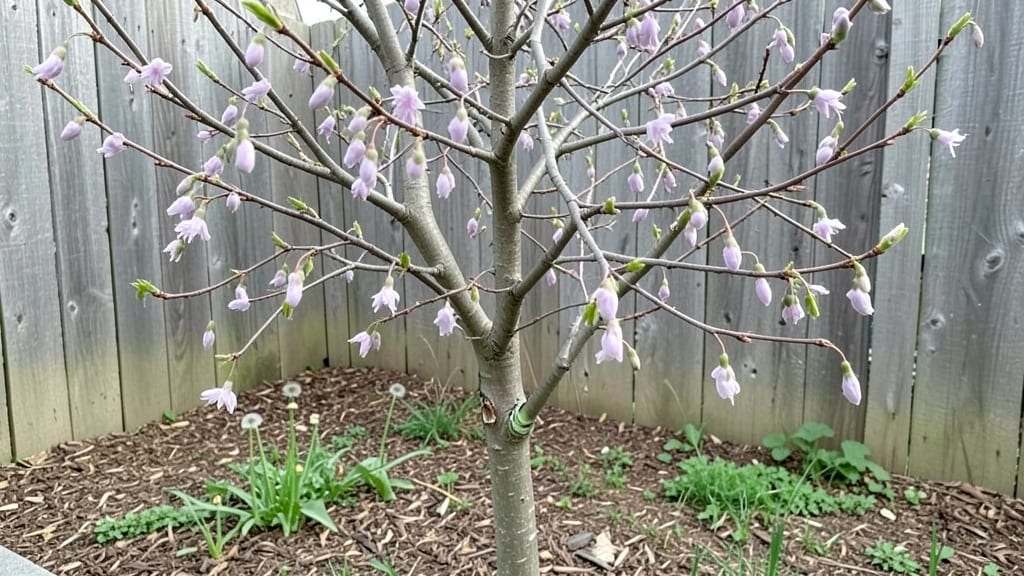
That first flush of little pink flowers in spring—it’s the kind of magic that turns a garden from ordinary to unforgettable. 🌸 Cherry blossom trees aren’t just pretty; they’re the stars of early spring, filling the air with a sweet, fleeting fragrance that makes every walk through the yard feel like a celebration.
I’ve planted three varieties in my own yard, and each one brings something different to the table—whether it’s the classic weeping branches of ‘Kanzan’ or the delicate clusters of ‘Stella Pink.’
The best part? These trees don’t demand much to shine. A spot with full sun and well-drained soil is all they need to reward you with weeks of blossoms, followed by glossy green leaves that add summer structure.
Pair them with bulbs like daffodils or tulips for a layered look, and you’ve got a springtime show that lasts from bud to bloom and beyond. Even their bark has character—some varieties develop striking textures as they mature.
You’ll love how they transform a dull corner into a focal point, especially when planted near a path or patio where you can really appreciate the scent up close. The flowers may only last a couple of weeks, but their impact lingers—inspiring memories of that first warm breeze of spring.
Plus, they’re low-maintenance enough that even busy gardeners can enjoy their beauty without the fuss.
For those who want extra drama, consider adding climbing roses or clematis nearby—they’ll weave through the branches as the season progresses, extending the show well into summer. Just be prepared for some cleanup after the petals fall, but that’s a small trade-off for the joy they bring.
These trees prove that sometimes, the simplest additions make the biggest difference.
Behind the Blossoms: What Triggers Pink Blooms
Those delicate clusters of pink flowers on your tree aren’t just a pretty sight—they’re the result of a carefully choreographed dance between biology, environment, and timing. Understanding why these blossoms appear (and sometimes don’t) helps you nurture—or even encourage—their magic in your garden.
Here’s the science behind the spectacle, broken down into the key factors that make—or break—your tree’s floral display.
The most predictable trigger for pink blooms is seasonal change, particularly the shift from winter dormancy to spring’s warmer days. Most trees with little pink flowers—like Prunus serrulata (Japanese cherry) or Cercis canadensis (eastern redbud)—follow a photoperiodic and temperature-sensitive rhythm:
- Day length (photoperiod): As daylight hours increase in late winter/early spring, trees detect longer exposure to light. This signals the end of dormancy and kickstarts floral bud development.
- Chilling requirements: Many flowering trees need 600–1,200 hours of temperatures below 45°F (7°C) during winter to "break dormancy." Without this, buds may fail to open, even if days lengthen. Pro tip: If your region has mild winters, choose cold-hardy varieties like Prunus ‘Kwanzan’.
- Warmth threshold: Once chilling is complete, buds typically burst into bloom when average daily temps reach 50–60°F (10–15°C). Sudden heat waves can halt flowering or cause buds to drop.
Actionable tip: Track your local last frost date and plant trees that align with your climate’s natural cues. For example, southern gardens thrive with Cercis (redbud), while northern zones often need Prunus varieties.
Even with perfect timing, stress from water deficits or nutrient imbalances can stunt or prevent flowering. Here’s how to avoid it:
| Factor | Why It Matters | How to Fix It |
|---|---|---|
| 💧 Drought stress | Pink flower buds are 70–90% water by weight. Dry soil forces the tree to prioritize root growth over blooms, leading to sparse or no flowers. | Water deeply 1–2 times per week during bud formation (late winter to early spring). Use mulch (3–4 inches) to retain moisture. |
| 🌿 Nitrogen overload | Too much nitrogen (from fertilizer) promotes leafy growth at the expense of flowers. Pink-blooming trees need a balanced NPK ratio (e.g., 10-10-10). | Apply low-nitrogen, high-phosphorus fertilizer (e.g., 5-10-5) in early spring when buds swell. Avoid fresh manure. |
| 🍄 Micronutrient deficiencies | Lack of boron, zinc, or magnesium can cause bud drop or deformed flowers. Soil tests reveal gaps. | Amend soil with chelated micronutrients or use Epsom salt (magnesium sulfate) for yellowing leaves. |
Pro tip: 🌡️ Overwatering is just as harmful as underwatering—ensure soil drains well to prevent root rot, which starves the tree of nutrients needed for blooms.
Pink-flowering trees are light-loving, but not all light is equal. Here’s how sunlight (or its absence) affects their performance:
- Full sun (6+ hours/day): Most varieties (Prunus, Amelanchier, Cornus) need direct sunlight to trigger flowering hormones. Shade reduces bloom intensity by 30–50%.
- Partial shade pitfalls: While some trees (like Cercis canadensis) tolerate morning sun + afternoon shade, deep shade (e.g., under dense pines) can lead to no blooms or etiolated (stretched, weak) stems.
- Urban pollution: Trees in cities with high ozone or sulfur dioxide levels may produce smaller, fewer flowers due to leaf damage. Solution: Choose pollution-tolerant varieties like Prunus ‘Okame’.
Actionable tip: Plant your tree 3–5 feet from a southern exposure wall to maximize winter sun (for chilling) and spring sunlight (for blooming). Avoid planting near large evergreens that cast year-round shade.
Hidden threats like borers, aphids, or fungal infections can drain a tree’s energy, leaving it too weak to flower. Watch for these culprits:
- 🐜 Borers (e.g., peach tree borer): Larvae tunnel into bark, disrupting vascular flow needed for nutrient transport to buds. Sign: Sawdust-like frass at the base.
- 🐜 Aphids or scale insects: These sap-suckers excrete honeydew, fostering sooty mold that blocks sunlight. Heavy infestations can prevent bud break.
- 🍄 Powdery mildew or anthracnose: Fungal diseases distort buds or cause premature leaf drop, robbing the tree of energy for flowers.
Prevention checklist:
- 🔍 Inspect buds in late winter for sticky residue (aphids) or black spots (fungus).
- 🛡️ Apply neem oil in dormant season to deter pests.
- 🌿 Prune in late winter to improve airflow and remove diseased branches.
💡 Pro tip: If your tree has no blooms but healthy leaves, pests or disease are likely the culprit. Act fast—once buds form, treatment options narrow.
By aligning your care with these natural triggers, you’re not just growing a tree—you’re conducting a symphony of science and serenity. Next, we’ll explore how to extend the bloom time and troubleshoot when things go awry. 🌸
Revive & Protect Your Blooming Tree
If your tree with delicate pink blooms isn’t thriving—or worse, is struggling—don’t panic! With the right care, you can nurse it back to health and keep it flourishing for years.
Below, we’ve mapped out practical solutions for common issues, from nutrient deficiencies to pests, along with preventive tips to avoid future problems. Think of this as your tree’s personal care guide! 🌸✨
If your tree’s leaves are pale, sparse, or dropping prematurely, it’s likely starving for essential nutrients. Here’s how to diagnose and treat the most common deficiencies:
🔥 Soil Test First (The Detective Work)
Before guessing, test your soil’s pH and nutrient levels with a DIY kit (available at garden centers for ~$10).
Cherry blossom trees (like Prunus serrulata) prefer: - pH: 5.5–7.0 (slightly acidic to neutral) - Key nutrients: Nitrogen (N), Phosphorus (P), Potassium (K), plus micronutrients like magnesium and iron.
💡 Pro Tip: If testing isn’t an option, observe the leaves:
- Yellow between veins? → Likely iron or magnesium deficiency.
- Purple stems/leaves? → Phosphorus shortage.
- Brown leaf edges? → Potassium or calcium issue.
🍳 Fertilizer Fixes: What to Use & When
| Problem | Solution | When to Apply |
|---|---|---|
| General weakness | Balanced fertilizer (10-10-10 or 20-20-20) + compost | Early spring (before buds swell) |
| Iron deficiency | Iron chelate (liquid or granules) or Epsom salt (1 tbsp/gallon water) | Spring or fall (avoid drought) |
| Magnesium deficiency | Dolomitic lime (for alkaline soil) or Epsom salt spray | Early spring or late fall |
| Slow growth | Slow-release granular fertilizer (like Osmocote) + mulch | Spring and summer |
👨🍳 How to Apply:
- Water the tree deeply the day before fertilizing.
- Spread fertilizer evenly in the drip line (the area under the tree’s branches).
- Water again to activate nutrients.
- Avoid over-fertilizing—this burns roots! Stick to the recommended dosage.
⏰ Timing Matters:
- Spring (March–April): Focus on nitrogen for new growth.
- Fall (September–October): Shift to phosphorus/potassium for root strength.
Pests and diseases can wilt blooms, discolor leaves, or even kill your tree. Act fast with these targeted treatments:
🔪 Common Pests & How to Banish Them
| Pest | Signs | Solution |
|---|---|---|
| Aphids | Sticky leaves, curled buds | Spray with soapy water (1 tsp mild soap + 1 quart water) or neem oil |
| Japanese Beetles | Skeletonized leaves, chewed flowers | Handpick (drop in soapy water) or milky spore powder (organic) |
| Scale Insects | White/brown bumps on branches | Prune infested branches + horticultural oil spray |
| Spider Mites | Yellow stippling, webbing | Blast with water (disrupts mites) or miticide soap |
💡 Prevention:
- Encourage natural predators like ladybugs and lacewings by planting companion flowers (e.g., marigolds, lavender).
- Prune regularly to improve airflow and reduce hiding spots for pests.
🌡️ Disease Defense: Fungal & Bacterial Threats
- Powdery Mildew (white dust on leaves):
- Fix: Spray with baking soda mix (1 tbsp baking soda + 1 tsp soap + 1 gallon water) or sulfur fungicide.
- Prevent: Space trees for good airflow and water at the base (not overhead).
- Black Spot (dark spots on leaves):
- Fix: Remove infected leaves + apply copper fungicide (like Bordeaux mixture).
- Prevent: Avoid overhead watering and clean up fallen leaves.
- Canker Disease (sunken, oozing wounds on bark):
- Fix: Prune infected branches 6 inches below the wound with sterilized tools.
- Prevent: Wound dressings (like pruning sealant) on large cuts.
Once your tree is back on track, maintain its health with these easy habits:
- 💧 Watering Wisdom
- Deep and infrequent is key—1–2 inches per week (more in extreme heat).
- Mulch (2–3 inches of wood chips) to retain moisture and regulate soil temp.
- ✂️ Pruning Like a Pro
- When: Late winter or early spring (before buds break).
- How: Remove dead/diseased branches, thin out crowded growth, and shape gently to encourage airflow.
- Avoid: Over-pruning—never cut more than 25% of the canopy at once.
- 🌦️ Weatherproofing
- Young trees: Stake if needed to prevent wind damage.
- Winter prep: Wrap the trunk (for young trees) with burlap in freezing climates.
- Heatwaves: Mist leaves in extreme drought to prevent scorching.
- 🎯 Companion Planting for Protection
- Plant herbs like rosemary or thyme near the base to repel pests.
- Avoid competitive plants (like invasive grasses) that steal nutrients.
Need a fast fix?
Try these emergency boosts: - Epsom salt flush (1 tbsp/gallon water) for magnesium—water the soil or spray leaves. - Fish emulsion (10-5-2 ratio) for a nitrogen kick—dilute and water into the root zone. - Hydrogen peroxide spray (3%) to disinfect wounds and stimulate growth (1:9 ratio with water).
With these targeted solutions, your pink-flowering tree will be blooming beautifully in no time. Remember: consistency is key—whether it’s fertilizing, pruning, or pest control, stay proactive to keep your garden’s star shining bright! 🌿💖
Frequently asked questions
What are the most popular trees with little pink flowers for gardens?
Top choices include cherry blossom trees (like 'Kanzan' or 'Stella Pink'), dogwood (with its distinctive four-petaled blooms), and crabapple varieties such as 'Royalty' or 'Adams'. These trees offer stunning visual appeal and often feature fragrant blossoms that attract pollinators.
How do I extend the bloom time of my pink-flowering tree?
To prolong blooms, ensure your tree gets full sun (6+ hours daily) and consistent moisture during bud formation. Prune in late winter to remove dead branches, and avoid heavy nitrogen fertilizers that promote leaf growth over flowers. Some varieties, like weeping cherry trees, naturally have extended bloom periods.
Why aren't my pink flowers appearing this year?
Common reasons include insufficient chill hours (many trees need 600+ hours below 45°F), nutrient deficiencies (especially phosphorus), or pest/disease stress. Check for aphids, fungal spots, or poor soil drainage. A soil test can reveal specific deficiencies to correct.
Can I grow a pink-flowering tree in a small yard or container?
Yes! Dwarf varieties like 'Snow Fountain' cherry or columnar dogwoods thrive in containers (use 15+ gallon pots) or small spaces. Ensure proper drainage and prune regularly to maintain shape. Just plant in full sun and water consistently.
What's the best time to plant a tree with pink flowers?
Fall (September–November) is ideal—roots establish before winter, while spring (March–April) works for warmer climates. Avoid planting when temperatures exceed 85°F or during frost periods. Water deeply after planting and mulch to retain moisture.