
Flowers
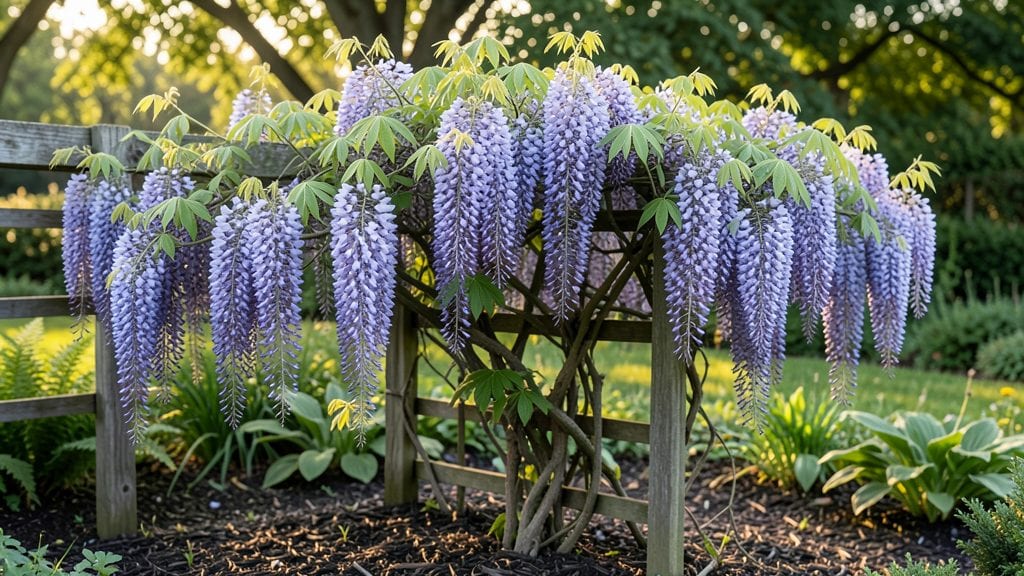
A tree with purple cluster flowers transforms any yard into a living masterpiece. 🌿 I fell for the purple smoke tree after seeing its cascading blooms in spring, and it’s become the star of my landscape—adding drama while keeping neighbors’ prying eyes at bay.
These trees shine in full sun and well-drained soil, thriving in zones 5-9. Their fragrant purple blooms last weeks, followed by silver foliage that adds texture through summer. Plant them as focal points or along fences for instant privacy.
Pair with evergreen shrubs for year-round screening or spring bulbs to extend the show. The right placement turns an ordinary yard into a stunning, low-maintenance garden highlight.
Confession: I nearly planted the wrong one—wisteria looks similar but climbs aggressively. Stick with purple smoke tree or jacaranda for easy-care beauty that pays off every season.
📚 In This Guide
- What you need
- Instructions
- Tips and common mistakes
- Wrapping up and next steps
What you need
- ● Tree selection: 1 Callistemon (Bottlebrush) or Lagerstroemia (Crapemyrtle) sapling (3–5 ft tall, nursery-grown)
- ● OR seeds (if propagating from scratch—requires patience!)
- ● Soil: 50 lbs well-draining garden soil (mix with compost for nutrients)
- ○ Optional: Perlite or sand (10–20% by volume) for sandy or clay-heavy soils
- ● Fertilizer: 1 balanced slow-release fertilizer (10-10-10 or similar, ~2 lbs)
- ● 1 phosphorus-rich fertilizer (5-10-10, ~1 lb) for root development
- ● 1 shovel or spade (for digging)
- ● 1 garden trowel (for seed planting or delicate root work)
- ● 1 watering can or hose (with adjustable nozzle)
- ● 1 pruning shears (sterilized, for shaping)
- ○ Optional (but helpful): Mulch (2–3 inches of wood chips or pine straw)
- ● Tree stake & ties (if planting in windy areas)
- ● pH testing kit (to check soil acidity, ideal: 5.5–7.0)
- ● ✅ Sunlight: Full sun (6+ hours/day) for optimal blooms.
- ● ✅ Spacing: 10–15 ft between trees (or 20+ ft for full privacy screens).
- ● ✅ Climate: Hardy in USDA Zones 7–10 (check your local frost dates!).
- ● ✅ Water source: Ready access for deep watering (1–2 inches per week).
Step-by-step guide to planting a purple flowering tree for privacy
Here’s how to establish a striking, long-lived privacy screen with bold purple blooms that will transform your yard.
🌱 Step 1: Select the Right Purple-Blooming Tree Species
For dramatic purple clusters, purple lilac (Syringa meyeri) or purple smoke bush (Cotinus coggygria ‘Royal Purple’) are top choices. Meyer lilac thrives in zones 3-7 and blooms reliably in spring, while smoke bush offers year-round interest with its velvety foliage and late-summer purple plumes. Both grow 12-15 feet tall at maturity, perfect for a dense privacy hedge.
Check your hardiness zone before purchasing—some purple varieties (like ‘Amethyst Showers’ lilac) need zone 4+ for winter survival. I always verify with the nursery, as color intensity can fade in hot, dry climates. Plant in full sun for maximum bloom production; these trees need at least 6 hours of direct sunlight daily to develop their signature purple hues.
🪴 Step 2: Prepare the Planting Site
Choose a location with well-draining soil—these trees hate soggy roots. If your yard has heavy clay, amend the planting hole with 3 gallons of compost mixed into the native soil. The hole should be twice as wide as the root ball but only as deep—never deeper, or the tree will suffocate.
Space 4 trees 8-10 feet apart for a full privacy screen by maturity. Mark planting spots with stakes to ensure even spacing. Avoid planting near sidewalks or driveways—roots will expand 3-4 feet outward annually. Water the hole thoroughly 24 hours before planting to settle the soil and prevent air pockets around roots.
☀️ Step 3: Plant and Stake for Stability
Gently remove the tree from its container and loosen the roots if they’re circling. Place it in the hole so the top of the root ball sits 1 inch above ground level—settling will occur over time. Backfill with native soil, tamping lightly every 6 inches to eliminate air gaps. Water deeply to encourage root contact with the surrounding soil.
Stake only if needed—young trees with narrow root balls (under 2 gallons) benefit from 2 stakes tied loosely to the trunk with soft fabric strips. Avoid wire ties that can girdle the stem as it grows. Mulch with 3 inches of shredded bark around the base, keeping it 6 inches away from the trunk to prevent rot.
💧 Step 4: Water and Fertilize for First-Year Establishment
Water deeply 2-3 times per week for the first 60 days, ensuring moisture reaches 12 inches down. Purple lilacs and smoke bushes are drought-tolerant once established, but young trees need consistent moisture to develop strong roots. Check soil moisture by inserting your finger 2 inches deep—if it’s dry, water again.
Apply a balanced 10-10-10 fertilizer at planting time, then again in early spring. Avoid high-nitrogen fertilizers—they promote leafy growth at the expense of flowers. Prune only to remove dead or crossing branches in late winter; never prune in fall, as it encourages late-season growth that won’t harden off before winter.
✂️ Step 5: Prune and Maintain for Year-Round Interest
Prune lilacs right after flowering (late spring) to shape the tree and encourage next year’s blooms. Smoke bushes can be lightly trimmed in late summer to control size. Never remove more than one-third of the canopy in a single year—these trees are slow to recover from aggressive pruning.
Watch for aphids or scale insects on new growth—spray with neem oil if you spot sticky residue on leaves. Purple varieties are generally pest-resistant, but stressed trees attract problems. Mulch annually in early spring to retain moisture and suppress weeds, but never pile mulch against the trunk.
Tips & tricks for perfect purple flowering privacy trees
These essential insights will help you create a thriving, vibrant privacy screen that blooms dramatically year after year.
Species Selection Matters: When choosing between purple lilac and purple smoke bush, consider your climate and maintenance preferences. Purple lilacs (Syringa meyeri) offer fragrant spring blooms but require more pruning, while smoke bushes provide stunning purple plumes in late summer with less upkeep. For maximum color intensity, select varieties specifically bred for purple flowers—regular lilacs often produce lavender blooms that fade to pale pink. I always verify the exact cultivar with the nursery to ensure the rich purple hues you're after.
Soil Preparation is Non-Negotiable: The 24-hour pre-watering of the planting hole is crucial for creating ideal conditions. This step prevents air pockets that can strangle roots and ensures the soil settles properly. If your yard has heavy clay, don't skip the 3 gallons of compost amendment—this improves drainage while providing essential nutrients. I've seen too many purple flowering trees fail because of poor soil preparation, so take this step seriously. For extra insurance, test your soil's pH before planting—purple lilacs prefer slightly alkaline soil (6.5-7.5) while smoke bushes tolerate more acidic conditions (5.5-6.5).
Staking Strategy for Stability: Only trees with narrow root balls (under 2 gallons) truly need staking, and even then, use soft fabric ties—not wire. The 1-inch elevation above ground level for the root ball is critical; if planted too deeply, the tree can suffocate. I've learned this the hard way after watching several trees decline from improper planting depth. For extra stability, water the planting area deeply immediately after staking to help settle the soil around the roots.
Watering Wisdom for First-Year Success: Those first 60 days are make-or-break for your purple privacy screen. The key is deep watering that reaches 12 inches down—not just surface moisture. I always check soil moisture by inserting my finger 2 inches deep; if it's dry at that depth, it's time to water. For container-grown trees, you may need to water more frequently during the first 30 days as they adjust to their new environment. Remember, consistent moisture is more important than frequent shallow watering.
Pro Tips for Tree With Purple Cluster Flowers
- These essential insights will help you create a thriving, vibrant privacy screen that blooms dramatically year after year.
- Species Selection Matters: When choosing between purple lilac and purple smoke bush, consider your climate and maintenance preferences.
- Soil Preparation is Non-Negotiable: The 24-hour pre-watering of the planting hole is crucial for creating ideal conditions.
Frequently asked questions
Got questions about growing and enjoying your tree with purple cluster flowers? You’re not alone! Here are some of the most common concerns—and their answers—to help you create a stunning, low-maintenance privacy screen with vibrant blooms.
What’s the best time of year to plant a tree with purple flowers?
For optimal root establishment, plant in early spring or fall when temperatures are mild. Avoid extreme heat or frost, which can stress young trees. If you’re in a warm climate, late fall to winter works too—just water deeply before the first freeze!
How much water does this tree need, especially during flowering?
Newly planted trees need 1–2 inches of water per week (including rainfall). Once established, they’re drought-tolerant but will reward you with more vibrant blooms if you water during dry spells. Mulch around the base to retain moisture and reduce evaporation.
Can I grow this tree in a container or small garden?
While some varieties (like Cercis canadensis ‘Alba’) thrive in containers for a few years, they’ll outgrow small spaces quickly. For containers, choose dwarf cultivars (e.g., Lagerstroemia ‘Natchez’) and use well-draining soil. Repot every 2–3 years and prune annually to control size.
Do I need to prune my tree after it flowers?
Prune right after blooming (late spring) to shape the tree and remove dead wood. Avoid heavy pruning in fall/winter—it can stimulate new growth that’s vulnerable to frost. Use clean, sharp tools and sterilize cuts with pruning sealant to prevent disease.
Are these trees good for pollinators like bees and butterflies?
Absolutely!
Purple cluster-flowering trees (e.g., Crapemyrtle or Lilac) are magnets for pollinators. Their nectar-rich blooms support bees, butterflies, and hummingbirds. Plant near pollinator-friendly perennials (like lavender or coneflowers) to create a thriving ecosystem.
Why aren’t my tree’s flowers as purple as they should be?
Dull or pale blooms often mean nutrient deficiency (try a balanced fertilizer) or overwatering (yellow leaves + weak stems). For deeper purples, ensure 6+ hours of sunlight and avoid high-nitrogen fertilizers, which promote foliage over flowers. A pinch of phosphorus-rich fertilizer can boost bloom intensity!
Wrapping up and next steps
Transforming your outdoor space with a tree with purple cluster flowers isn’t just about beauty—it’s about creating a serene, year-round haven that thrives with minimal effort.
Whether you’re drawn to the Crape Myrtle bold blooms or the delicate charm of the Wisteria, these trees offer privacy, color, and resilience. 🌿
Ready to bring this stunning addition to your garden? Start by researching the best variety for your climate, then gather your supplies and roll up your sleeves.
With the right care, your purple-flowered tree will reward you with vibrant blooms and lush foliage for years to come—why wait to start?