Pests
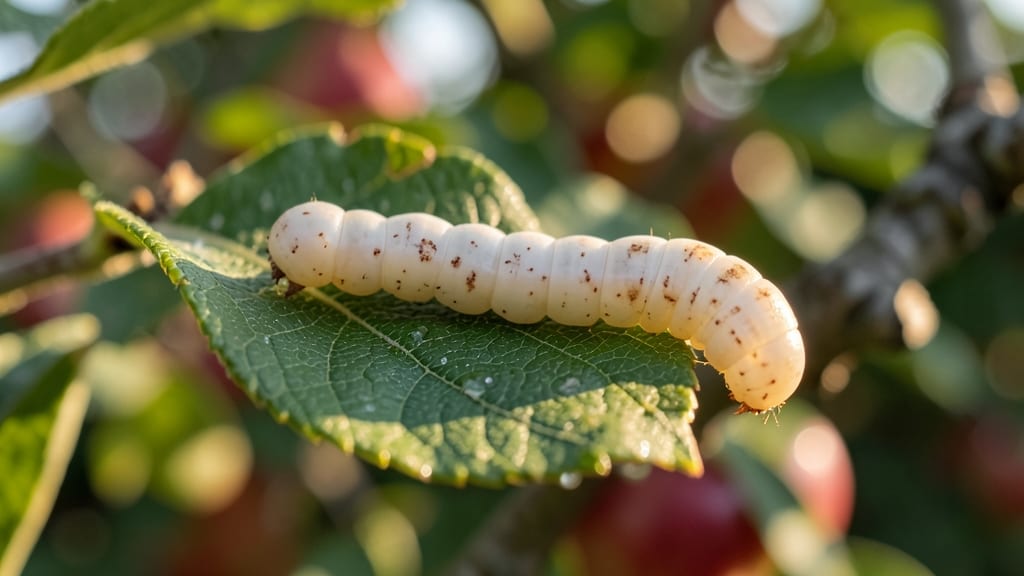
White worms in your trees aren’t just an eyesore—they’re a warning sign that your tree’s health is under attack. ✨ I’ve battled these pests in my own yard, and the key to stopping them fast is knowing exactly what you’re dealing with and acting before the damage spreads.
The culprits—gypsy moth caterpillars, tent caterpillars, or borer larvae—leave telltale signs: silky webbing, sawdust-like frass, or skeletonized leaves. Most people panic and reach for harsh chemicals, but the real solution starts with simple, targeted actions that work within a day without harming your yard’s ecosystem.
You’ll learn how to identify the specific type of worm, then use organic sprays, physical removal, or even a homemade soap solution to eliminate them quickly. The best part? These methods protect bees, birds, and other wildlife while keeping your trees strong and thriving.
Whether you’ve got a single branch under siege or an entire tree covered in webbing, this approach works for any scale. Let’s get those trees back to their full, healthy glory without the guesswork.
Root Causes of White Tree Worms
Discovering white worms in or around your trees can be alarming—but understanding the why behind their presence is the first step to solving the problem. These tiny invaders rarely appear by chance; they’re usually a sign of deeper issues in your tree’s health or environment.
Below, we break down the most common reasons white tree worms (often larvae or pupae) show up, so you can address the root cause and eliminate them for good.
When trees are under stress—whether from drought, poor soil, disease, or physical damage—they become prime targets for pests, including white worm larvae. Here’s how it happens:
- Nutrient Deficiency: Trees lacking essential nutrients (like nitrogen, potassium, or magnesium) produce weak sap and bark, making them easier for pests to penetrate. White worms often thrive in trees that can’t fight off infestations due to poor health.
- Drought or Overwatering: Both extremes stress trees. Drought weakens their defenses, while overwatering creates soggy conditions that attract fungal diseases and pests. White worms (like wood borer larvae) love moist, decaying wood.
- Physical Damage: Cracks, broken branches, or wounds from storms or tools create entry points for pests. If a tree is already compromised, white larvae can slip in undetected.
💡 Pro Tip: Check your tree’s bark and soil. If the bark is peeling, the leaves are yellowing, or the soil is compacted, your tree may be stressed—and that’s an open invitation to pests.
Most white tree worms start as eggs laid by adult insects. If you’ve spotted white, moth-like adults fluttering near your trees or sawdust-like frass (worm droppings) on the ground, you’re likely dealing with:
- Gypsy Moths or Tent Caterpillars: These moths lay eggs on tree bark in late summer or fall. When the eggs hatch in spring, the larvae (white or greenish) burrow into leaves or bark, creating webs or tunnels.
- Wood Borers (e.g., Bark Beetles or Carpenter Ants): Female beetles or ants drill into tree bark to lay eggs. The emerging larvae tunnel beneath the surface, leaving behind white, worm-like trails and sawdust-like frass.
- Mealybugs or Scale Insects: While not worms, these pests produce white, cottony egg sacs or pupae that resemble worms. They thrive in sheltered areas like leaf axils or under bark.
🔍 Actionable Insight: Inspect your tree’s bark, branches, and surrounding soil for:
- ✅ Tiny eggs or webbing (sign of moth larvae).
- ✅ Sawdust-like frass or small holes (sign of borers).
- ✅ Sticky residue (honeydew from scale insects).
White worms often appear when trees are already infected with fungi or bacteria. These pathogens break down the tree’s structure, creating the perfect environment for larvae to feed and multiply. Common culprits include:
- Heart Rot Fungi: Fungi like Armillaria (honey fungus) or Fomes species decay the tree’s core, turning wood soft and spongy. White larvae (such as wood wasps) are drawn to this weakened wood.
- Bacterial Wetwood: This condition causes internal rot, producing foul-smelling, discolored wood. White maggots or larvae may infest these areas, accelerating decay.
- Powdery Mildew or Mold: While not directly causing worms, these fungi create a damp, nutrient-rich environment where pests like mealybugs or whitefly larvae thrive.
🚨 Warning Signs: Look for:
- 🟡 Yellowing or wilting leaves (early decay).
- 🟠 Mushrooms growing at the tree’s base (advanced fungal infection).
- 🟡 Oozing sap or dark streaks under bark (bacterial infection).
💡 Pro Tip: If you suspect fungal decay, avoid pruning during wet conditions—this spreads spores. Instead, prune in dry weather and disinfect tools with 70% isopropyl alcohol.
Sometimes, human habits unintentionally invite white worms. Here’s how:
- Over-Fertilizing: Excess nitrogen or synthetic fertilizers can burn roots, stressing the tree and making it vulnerable to pests. Worms like root-knot nematodes (though microscopic) or cutworm larvae target weakened roots.
- Ignoring Mulch or Debris: Piles of wood chips, bark, or fallen leaves near the tree create hiding spots for pests. White larvae (like sowbugs or millipedes) may take up residence, eventually migrating to the tree.
- Using Infested Firewood or Tools: Borer eggs or larvae can hitchhike on untreated wood or gardening tools, introducing infestations to healthy trees.
🌟 Prevention Checklist:
- 🌿 Keep mulch 3–4 inches deep and 6 inches away from the tree trunk.
- 🪓 Store firewood away from trees and elevate it off the ground.
- 🧹 Clean tools and boots after working in infested areas.
Practical fixes for tree worms
Dealing with white tree worms—whether they’re gypsy moth caterpillars, bagworms, or other tree-munching pests—requires a mix of immediate action and long-term prevention. Below, we’ve broken down targeted solutions based on the root cause, so you can tackle the problem efficiently without harming your trees or the environment.
Cause: Heavy infestations or egg sacs overwintering on bark. Fix:
- 🔪 Prune Infested Branches – Use sterilized pruning shears to cut off heavily damaged branches (especially with bagworms or tent caterpillars). Bagworms, for example, create protective cases—remove these entirely.
- 🌡️ Dispose of Debris Properly – Do NOT compost infested branches. Seal them in a plastic bag and throw them in the trash to prevent reinfestation.
- 🧹 Scrape Off Egg Masses – Gypsy moths and tent caterpillars lay eggs in silky webbing on tree trunks. Scrape them off with a plastic scraper (avoid metal to prevent bark damage) and drown them in soapy water.
💡 Pro Tip: Work on dry, sunny days—pests are less active, and natural predators (like birds) are more likely to spot them.
Cause: Active larvae feeding on leaves or bark. Fix: Choose organic, tree-safe sprays for fast results:
| Pest Type | Best Natural Treatment | How to Apply |
|---|---|---|
| Bagworms | Bt (Bacillus thuringiensis) or Neem Oil | Spray directly on bags (Bt) or foliage (neem) when caterpillars are young. |
| Gypsy Moths | Spinosad or Kaolin Clay | Spray early spring before eggs hatch. Kaolin clay creates a barrier they can’t cross. |
| Tent Caterpillars | Horticultural Oil or Diatomaceous Earth (DE) | Apply DE as a dust on webbing or spray oil when larvae are small. |
⚠️ Important: Always follow label instructions—overapplying can harm beneficial insects.
Cause: Lack of ecosystem balance allowing pests to thrive. Fix:
- 🐦 Attract Bird Friends – Install birdhouses and feeders to lure woodpeckers, blue jays, and chickadees—they love eating gypsy moth eggs and caterpillars.
- 🐜 Introduce Parasitic Wasps – Tiny braconid wasps naturally control gypsy moths. Purchase them from garden centers and release them in early summer.
- 🌿 Plant Companion Species – Some trees (like oak, hickory, or walnut) are less appealing to pests. If possible, diversify your landscape.
💡 Pro Tip: Avoid broad-spectrum pesticides—they kill helpful predators too!
Cause: Weak, stressed trees attract more pests. Fix:
- 💧 Water Deeply & Consistently – Drought-stressed trees are magnets for bagworms and borers. Water slowly at the base (1 inch per week).
- 🍄 Improve Soil Health – Add compost or mycorrhizal fungi to boost root strength. Healthy trees fight off pests better.
- 🪓 Thin Canopy for Airflow – Overcrowded branches trap moisture, inviting fungal diseases and pests. Prune to open the canopy in late winter.
✨ Bonus: Mulch properly (2-4 inches of organic mulch) to retain moisture and regulate soil temperature.
Cause: Missed early signs or late intervention. Fix:
- 📅 Monitor in Early Spring – Check for egg masses (gypsy moths) or newly hatched larvae (bagworms) before they grow.
- 🕵️ Inspect Regularly – Walk your property monthly from April to July (peak pest season).
- 🛡️ Apply Preventative Sprays – A light neem oil spray in late summer can deter egg-laying moths.
🎯 Ultimate Prevention: If you’ve had repeat issues, consider professional arborist treatment—they can assess tree health + pest cycles for a customized plan.
Final Thought: Most white tree worms can be eliminated within 24-48 hours with targeted action—but prevention saves time and trees in the long run! 🌿🚀
Frequently asked questions
Are white tree worms always harmful to my trees?
Not all white tree worms are dangerous, but most are a sign of trouble. Gypsy moth caterpillars and tent caterpillars can defoliate trees quickly, while wood borer larvae tunnel beneath bark, causing long-term damage. However, some harmless species like millipedes or sowbugs may appear white but don’t harm trees—focus on identifying their behavior and damage patterns.
What’s the fastest way to eliminate white tree worms without chemicals?
For immediate results, try these non-toxic methods:
- Handpick larvae and drop them in soapy water
- Apply Bt (Bacillus thuringiensis) spray (safe for bees)
- Use diatomaceous earth around the tree base (dehydrates pests)
Why do I keep seeing white worms after treating my tree?
Persistent worms often mean you’re missing egg masses or dealing with a secondary infestation. Scrape off hidden webbing on bark, check leaf undersides, and treat multiple times (every 7-10 days) during peak seasons (spring/summer). If the problem persists, the tree may be stressed—focus on improving soil health and watering.
Can white tree worms spread to other plants in my yard?
Some species, like gypsy moth caterpillars or bagworms, can spread via wind or birds. To prevent cross-contamination:
- Remove infested branches immediately and dispose of them in sealed bags
- Vacuum up webbing and larvae from the ground
- Monitor neighboring trees for early signs
Are there any trees that naturally repel white tree worms?
Some trees are less appealing to pests due to natural defenses or chemical compounds. Consider planting:
- Oak, hickory, or walnut (less favored by gypsy moths)
- Pine or spruce (some borers avoid them)
- Fruit trees like apple or pear (their scent deters certain larvae)