
Diseases
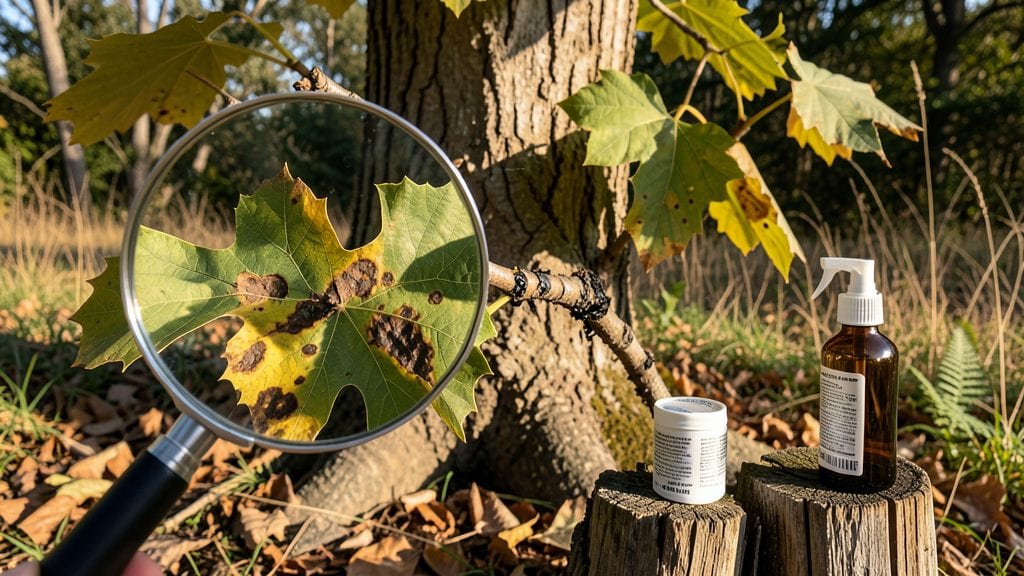
Those first brown spots on your tulip tree leaves—and the dreaded tulip tree diseases behind them—can turn a summer morning into a gardener’s nightmare. 🌿 I’ve seen anthracnose and powdery mildew turn healthy trees into struggling shadows, but early action makes all the difference.
The key is knowing what to look for—dark streaks, fuzzy white patches, or oozing cankers—before they spread.
Most problems start with too much moisture or poor airflow, so pruning to improve circulation and watering at the base (not overhead) cuts off fungal feasts.
Organic sprays like neem oil or copper fungicide work wonders on early infections, but if the bark cracks or oozes, it’s time to call an arborist. Trust me, a little prevention now saves you from heartbreak later.
📚 In This Guide
- What you need
- Instructions
- Tips and common mistakes
- Wrapping up and next steps
What you need
- ● Pruning shears or loppers – Sharp, sterilized tools (e.g., Fiskars PowerGear or similar) to trim infected branches. Disinfect with 70% isopropyl alcohol between cuts.
- ● Gloves – Heavy-duty, chemical-resistant gloves (e.g., GlovesUSA Nitrile) to protect hands from sap and fungi.
- ● Handheld magnifying glass – 10x magnification to inspect leaf spots, cankers, or fungal growth up close.
- ○ Moisture meter – Optional but helpful (e.g., Apera AI Soil Sensor) to monitor soil hydration, a key factor in disease spread.
- ● Sterilized spray bottle – 16 oz (473 mL) for applying fungicides or homemade treatments.
- ○ Fungal/bacterial test kit – Optional but useful (e.g., PlantVillage Diagnostic Toolkit) for confirming pathogens.
- ● Copper fungicide – 1–2 lbs (0.45–0.9 kg) of copper sulfate pentahydrate (for homemade Bordeaux mixture).
- ● Neem oil – 16 oz (473 mL) 100% cold-pressed neem oil (fungicidal and antibacterial properties).
- ● Hydrogen peroxide (3%) – 1 gallon (3.8 L) for sterilizing tools or treating minor infections.
- ● Baking soda solution – 1 lb (454 g) baking soda + 1 gallon (3.8 L) water (for preventive sprays).
- ● Weather check – Avoid treating during rain or high humidity (ideal: mornings with calm winds).
- ● Personal protective equipment (PPE) – Safety goggles and long sleeves if handling strong chemicals.
- ● First aid kit – For minor cuts or skin irritation (e.g., Johnson & Johnson First Aid Kit).
- ● Disposal bag – Heavy-duty trash bag (30-gallon) for removing infected plant debris.
How to spot and treat common tulip tree diseases early
Here’s how I identify and tackle fungal and bacterial threats before they spread.
🌿 Step 1: Inspect Leaves for Early Signs of Fungal Infections
Start by examining the upper and lower surfaces of tulip tree leaves for dark, irregular spots or powdery white coatings. Anthracnose, a common fungal disease, often appears as brown, sunken patches with yellow halos. Powdery mildew, on the other hand, looks like a white, dusty film on leaf surfaces. Check the undersides of leaves first—they’re where fungal spores often hide.
If you notice these spots, act fast. Fungal diseases thrive in damp conditions, so remove any infected leaves immediately and dispose of them in the trash (not your compost). Avoid wetting the foliage when watering, as excessive moisture encourages spore growth.
🌿 Step 2: Look for Bacterial Leaf Spot and Canker Symptoms
Bacterial leaf spot shows up as small, water-soaked lesions that turn yellow or brown with a greasy sheen. These spots often have ragged edges and may ooze a clear or yellowish liquid when pressed. Check the stems and branches for bacterial canker, which appears as sunken, oozing lesions that can kill branches if left untreated.
Prune infected branches ½ inch below the lesion using sterilized pruners (wipe them with rubbing alcohol between cuts). Sterilization prevents spreading bacteria to healthy parts of the tree. Bag and discard infected branches in the trash, not your yard waste.
💧 Step 3: Check the Soil and Roots for Fungal Threats
Fungal diseases like root rot or armillaria (honey fungus) often start below ground. Look for mushrooms growing at the base of the tree or near the roots—these are a red flag. Root rot may also cause yellowing leaves, stunted growth, or a foul-smelling soil.
If you suspect root issues, avoid overwatering and improve drainage around the tree. Mulch with 2-3 inches of organic mulch, keeping it 6 inches away from the trunk to prevent moisture buildup. If the tree is severely infected, consult a certified arborist before treating.
☀️ Step 4: Prevent Future Infections with Proper Care
Tulip trees thrive in full sun to partial shade with well-draining soil. Ensure your tree has at least 6 hours of sunlight daily and avoid compacting the soil around the roots. Prune in late winter or early spring to remove dead or diseased branches before fungal spores spread.
Water deeply but infrequently—1-2 inches per week—and always water at the base, not the leaves. If you’ve had fungal issues before, apply a copper fungicide in early spring as a preventative measure. Keep the area around the tree clean by removing fallen leaves and debris.
✂️ Step 5: Treat Infected Areas with Fungicides or Bacterial Sprays
For fungal diseases like anthracnose or powdery mildew, use a copper-based fungicide or a product containing neem oil. Follow the label instructions carefully, and apply the treatment in the early morning or late evening to avoid burning the leaves. Reapply every 7-14 days or after heavy rain.
For bacterial infections, a copper fungicide can help, but prevention is key. Sterilize pruning tools, avoid overhead watering, and remove infected plant debris promptly. If the tree is young or severely infected, consider consulting an arborist for professional treatment options.
Tips & tricks for detecting and treating tulip tree diseases
Here's what I've learned from years of battling tree diseases—these tricks will help you catch problems early and treat them effectively.
Timing is Everything: Early detection is key, so make it a habit to inspect your tulip tree's leaves every 7-14 days during growing season. I check mine right after a rainstorm when fungal spores are most active. Focus on new growth first—this is where diseases often appear first. Remember, fungal spores spread fastest in damp conditions, so don't wait until you see widespread damage.
Tool Sterilization: This is one I learned the hard way—never reuse pruning tools between trees without sterilizing them. Wipe blades with rubbing alcohol between cuts, especially when dealing with bacterial canker. I keep a small bottle of 70% isopropyl alcohol in my gardening toolbox for this exact purpose. Cross-contamination can spread diseases faster than you can prune.
Mulching Strategy: When you apply that 2-3 inches of organic mulch, create a slight mound around the base of the tree but keep it 6 inches away from the trunk. This creates better airflow while still protecting roots. I've seen cases where mulch piled too close to the trunk caused moisture buildup, leading to root rot. Use shredded bark or wood chips—they break down more slowly than fresh grass clippings.
Treatment Timing: For those 7-14 day reapplication intervals of copper fungicide, I've found mornings with light dew work best. The moisture helps the fungicide adhere to leaves, but applying too late in the day can lead to fungal growth overnight. Always follow the product label for concentration—some diseases develop resistance if you under-treat.
Pro Tips for Tulip Tree Diseases
- Here's what I've learned from years of battling tree diseases—these tricks will help you catch problems early and treat them effectively.
- Timing is Everything: Early detection is key, so make it a habit to inspect your tulip tree's leaves every 7-14 days during growing season.
- Tool Sterilization: This is one I learned the hard way—never reuse pruning tools between trees without sterilizing them.
Frequently asked questions
What are the most common diseases affecting tulip trees?
The most frequent threats include canker diseases (e.g., Botryosphaeria or Valsa), anthracnose, powdery mildew, and root rot. These often appear as dark lesions, leaf spots, or sudden wilting. Early detection is key—check your tree’s bark, leaves, and roots regularly for unusual changes.
When is the best time to treat tulip tree diseases?
Act fast! Treat fungal diseases like canker or anthracnose as soon as symptoms appear, ideally in early spring (before new growth) or late fall (after leaf drop). For bacterial issues, prune infected branches immediately to prevent spread. Always follow up with a fungicide or copper-based spray for best results.
How can I prevent tulip tree diseases naturally?
Start with proper spacing (tulip trees need airflow!) and mulch (keep 2–3 inches away from the trunk). Prune only in dry weather to avoid wound infections, and sterilize tools with rubbing alcohol between cuts. Neem oil or baking soda sprays can also deter fungal growth.
My tulip tree has brown spots on leaves—is it dying?
Not necessarily! Brown spots could signal anthracnose (common in wet springs) or nutrient deficiency. If spots are small, scattered, and not spreading, it might be environmental stress. If they’re large, oily, or accompanied by wilting, act quickly: prune affected areas, improve drainage, and apply a fungicide.
Are chemical treatments safe for pets or kids?
Many fungicides (like copper-based sprays) are low-toxicity but should still be used with caution. Opt for pet-safe alternatives like hydrogen peroxide (3%) or organic neem oil. Always follow label instructions, avoid spraying during windy days, and keep kids/pets away until the area is dry. When in doubt, consult a local arborist!
Wrapping up and next steps
Protecting your tulip trees from diseases starts with vigilance and action—but you’ve got this! 🌱 By recognizing early signs like anthracnose, bacterial leaf scorch, or powdery mildew, you can save your trees before symptoms worsen.
Regular inspections, proper pruning, and timely treatments will keep your canopy thriving for years.
Ready to take the next step? Schedule a deep inspection of your trees this weekend—bonus points for checking the soil and nearby foliage! If you spot anything concerning, consult a local arborist for expert advice. Your green thumb is about to shine brighter than ever! ✨