
Trees
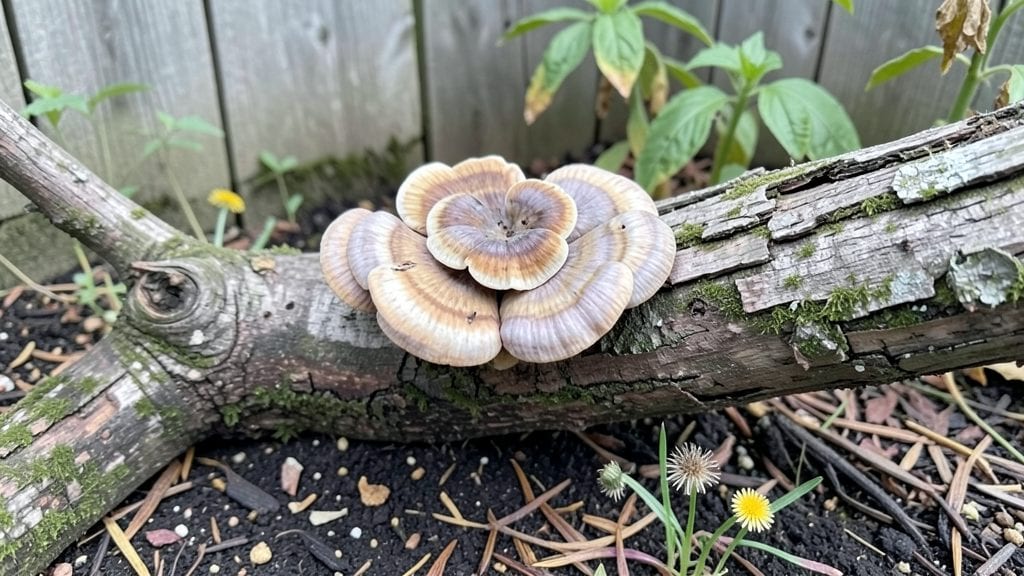
Turkey tail mushrooms growing on your tree aren’t just a quirky sight—they’re actually a sign your tree is alive with beneficial fungal activity. 🌿 I’ve watched these vibrant, layered fungi transform my backyard oak into a natural apothecary, and they’re far more helpful than harmful.
They’re decomposers, breaking down dead wood and recycling nutrients back into the soil, which actually boosts tree health over time.
The key is understanding why they appear—usually after a storm, injury, or natural decay. These mushrooms thrive on weakened wood, so their presence often signals that your tree is either aging or recovering from stress.
The good news? They rarely harm living trees unless they’re already compromised. In fact, many wildcrafting enthusiasts harvest turkey tails for their immune-boosting properties, turning a "problem" into a resource.
If you want to manage them, focus on tree care first: prune dead branches to remove their food source, improve soil health with compost, and water during droughts. For removal, simply cut the infected wood at the base—no chemicals needed.
The mushrooms will return if conditions stay right, but a healthier tree means fewer outbreaks over time.
Here’s the twist: these fungi are nature’s cleanup crew. Instead of fighting them, you can learn to coexist—even harvest them—while keeping your tree thriving. The balance is all in the care you put into the tree itself.
Natural Triggers for Fungal Growth
Turkey tail mushrooms—those striking, fan-shaped fungi with their vibrant hues of brown, orange, and blue—often appear on trees as a sign of a thriving ecosystem. But why do they pop up in the first place?
The answer lies in a mix of environmental conditions, tree health, and microbial interactions. Let’s break down the key reasons these fascinating fungi take hold on trees.
Turkey tail mushrooms (Trametes versicolor) are saprotrophic, meaning they primarily feed on dead or decaying organic matter. When a tree branch, stump, or log begins to break down, it releases cellulose and lignin—complex compounds that turkey tails excel at digesting. Here’s how it works:
- Soft rot decomposition: These mushrooms secrete enzymes like laccase and manganese peroxidase to break down lignin, the "glue" that holds wood fibers together. This weakens the wood structure, speeding up decay.
- Moisture dependency: Decaying wood retains moisture longer than healthy wood, creating the ideal humid environment turkey tails need to germinate and grow.
- Actionable tip: If you spot a turkey tail on a living tree, it’s often a sign of wound rot—the fungus may be colonizing an injured area (like a broken branch) rather than a fully dead stump.
Turkey tails thrive in specific climate and moisture conditions. While they’re resilient, their growth is heavily influenced by:
| Factor | Optimal Range | Why It Matters |
|---|---|---|
| Temperature | 40–75°F (4–24°C) | Cool, temperate climates (like forests in the Pacific Northwest or Appalachia) support consistent growth, while extreme heat or cold can stunt spores. |
| Humidity | 60%+ relative humidity | High moisture levels keep mycelium (the fungal "roots") hydrated. Rainy seasons or misty forests are prime conditions. |
| Rainfall | 30–50 inches/year | Regular rainfall prevents drying out and triggers spore release. Droughts can halt growth entirely. |
| Shade | Partial to full shade | Direct sunlight can dry out the fruiting bodies, while shaded areas (like forest floors) maintain ideal humidity. |
Pro tip: 💡 If you’re wildcrafting, harvest turkey tails after rain when the mushrooms are plump and hydrated—but avoid areas with standing water, as this can signal poor air circulation and bacterial competition.
While turkey tails prefer dead wood, they can also colonize living trees through wounds, cracks, or bark damage. Here’s how:
- Wound rot: If a tree sustains physical damage (e.g., from storms, animals, or human activity), the exposed inner layers become vulnerable. Turkey tails may enter through these openings, leading to white rot—a type of decay that bleaches the wood.
- Root or bark infections: In rare cases, turkey tails can spread from decaying roots or infected bark, though they’re not typically aggressive pathogens like Armillaria (honey fungus).
- Symbiotic relationships: Some turkey tails form weak parasitic relationships with trees, extracting nutrients without killing the host outright. This is more common in stressed or elderly trees.
Warning sign: 🚨 If turkey tails appear on a healthy tree with no visible wounds, monitor for other symptoms like leaf yellowing or weak growth—it could indicate broader fungal or pest issues.
Turkey tails reproduce via spores, which hitchhike on wind, water, and animals (including insects and mammals). Their spread depends on:
- Spore viability: Fresh spores (released from mature mushrooms) can survive for weeks in moist conditions. Older spores lose potency, reducing colonization chances.
- Substrate availability: In forests, turkey tails compete with other fungi (like Ganoderma or Polyporus) for decaying wood. If the "real estate" is crowded, growth may be stunted.
- Animal vectors: Deer, squirrels, and even birds can unintentionally spread spores on their fur or feet, planting new colonies in fresh wood.
Fun fact: 🌍 Turkey tails are one of the most widespread mushrooms globally, thanks to their efficient spore dispersal. In some ecosystems, they’re the dominant wood-decomposer!
Understanding these triggers can help you encourage turkey tail growth (for wildcrafting) or prevent unwanted spread in managed forests. Next, we’ll explore how to harvest these mushrooms sustainably while keeping ecosystems healthy.
Removing and Managing Fungal Growth
Turkey tail mushrooms (Trametes versicolor) can be a beautiful sight on trees, but their presence may signal underlying issues or require careful management—especially if you’re wildcrafting or preserving your tree’s health.
Below are practical, step-by-step solutions tailored to common causes, from harmless growth to potential hazards, plus prevention tips to keep your trees thriving.
Not all turkey tails are a problem! If the mushrooms appear on dead or dying wood (like fallen branches or stumps) and the tree itself is healthy, you can often ignore them. These fungi play a role in decomposing organic matter, enriching the soil.
What to do:
- Observe first 👀: Check the tree’s bark, leaves, and overall vitality. If it’s growing strong, the mushrooms are likely just part of nature’s recycling process.
- Harvest sustainably 🍄: If you’re wildcrafting, carefully cut individual mushrooms at the base (not the stem) to avoid damaging the tree. Leave some behind to ensure the mycelium network thrives for future growth.
- Avoid disturbing the tree 🚫: Poking or carving into the bark can introduce pathogens. Let the fungi do their work naturally.
Prevention tip: > 💡 Encourage biodiversity by leaving some deadwood on your property. Turkey tails (and other fungi) support insects, birds, and microbes—keeping your ecosystem balanced!
If turkey tails appear on live, healthy wood—especially in clusters or on young, vigorous trees—it could indicate wood-rotting fungi or tree stress. Left unchecked, these can weaken the tree over time.
🔧 Fixing Weakened or Infected Trees
H3: Step 1: Assess the Damage 🛠️ - Check for signs of decay: Tap the tree trunk with a hammer.
A hollow or spongy sound means rot is likely present. - Look for oozing sap, cracks, or fungal conks (other mushroom types) near the turkey tails.
These are red flags. - Inspect the roots: If the tree is tilting or has mushrooms sprouting from the base, root rot may be the culprit.
H3: Step 2: Prune Affected Branches 🌿
- Remove infected limbs with a sterilized pruning saw (clean with rubbing alcohol between cuts).
- Cut 6–12 inches below the mushroom cluster to ensure you’re removing the infected wood.
- Dispose of debris properly: Burn or seal infected branches in a trash bag (don’t compost them).
H3: Step 3: Treat the Tree 💊
| Issue | Solution | Tools/Materials Needed |
|---|---|---|
| Surface rot | Apply borax-based fungicide or copper fungicide to the wound. | Fungicide spray, brush |
| Root rot | Improve drainage (add compost or sand to soil) and avoid overwatering. | Garden fork, mulch |
| Weakened immunity | Fertilize with mycorrhizal fungi or kelp meal to boost tree health. | Organic fertilizer, watering can |
H3: Step 4: Monitor and Repeat 📅
- Recheck the tree every 3–6 months for new growth.
- Reapply treatments if mushrooms return, especially in wet climates.
Prevention tips: > ✨ Keep trees healthy with regular watering (but avoid soggy soil) and mulching. > 🌡️ Prune in dry weather to prevent fungal spores from spreading. > 🎯 Remove deadwood promptly—don’t let branches linger on the ground.
The best defense is a proactive approach. Here’s how to keep turkey tails (and other fungi) from taking over:
- Promote Tree Health 💪
- Water deeply but infrequently to avoid waterlogged roots.
- Fertilize with slow-release organic matter (like compost or worm castings).
- Avoid wounding trees when pruning—use clean, sharp tools.
- Improve Airflow and Sunlight 🌞
- Thin out dense foliage around the tree to reduce humidity near the trunk.
- Space trees properly (follow species-specific guidelines) to prevent overcrowding.
- Harvest Responsibly 🍄✂️
- If you’re wildcrafting, never remove more than 20–30% of mushrooms from a single tree in a season.
- Avoid harvesting from stressed trees—let them recover first.
- Natural Fungicides 🌿
- Neem oil or baking soda spray (1 tbsp baking soda + 1 quart water + few drops of dish soap) can deter fungal growth on minor infections.
Final Thought: Turkey tail mushrooms aren’t always a bad sign—but knowing when to act and how to act ensures your trees stay strong while still benefiting from nature’s decomposers.
Whether you’re a forager, gardener, or just a tree lover, these steps will help you manage (or celebrate!) these vibrant fungi responsibly.
Frequently asked questions
Are turkey tail mushrooms harmful to living trees?
Not usually! These fungi primarily feed on dead or decaying wood, acting as nature’s recyclers. However, if they appear on healthy trees with no visible wounds, they may indicate underlying stress or wound rot. Monitor for other symptoms like oozing sap or weak growth—these could signal deeper issues.
Can I safely harvest turkey tails from my yard?
Yes, but with care! Only harvest from dead branches or stumps, and never take more than 20-30% of mushrooms from one tree per season. Use a clean knife to cut at the base (not the stem) to avoid damaging the mycelium network. Avoid harvesting from stressed or diseased trees.
How do I tell if my tree has a serious fungal infection?
Look for these warning signs: hollow-sounding wood when tapped, oozing sap, cracks in the bark, or other mushroom types nearby. If you see these plus turkey tails on healthy wood, the tree may need professional assessment—especially if it’s young or valuable.
Will removing turkey tails prevent future growth?
Not permanently—the spores will return if conditions (moisture, temperature) remain ideal. The key is improving tree health through proper pruning, watering, and fertilization. Remove only the infected wood (cut 6-12 inches below the mushrooms) to starve the fungus.
Are there any benefits to having turkey tails on my property?
These mushrooms indicate a healthy ecosystem by breaking down dead wood and supporting biodiversity. They also contain immune-boosting compounds (like PSK) used in traditional medicine. Plus, they attract beneficial insects and wildlife to your yard!