
Trees
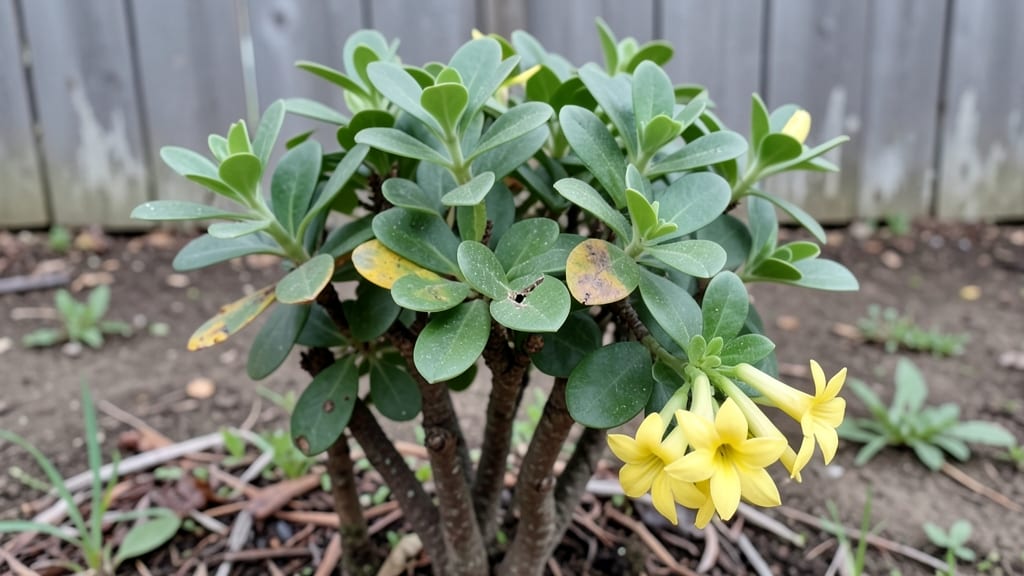
Growing a yellow jasmine tree means year-round privacy with fragrant blooms that smell like sunshine. 🌿 I planted mine last spring, and now it’s a lush, evergreen screen that never loses its charm—even in winter.
The key is finding the right spot where it can spread its vines freely while getting just enough light to keep those golden-yellow flowers coming.
This tree thrives in partial shade to full sun, so a fence line or trellis works perfectly. It’s not fussy about soil as long as it drains well—sandy loam or even slightly rocky ground suits it fine.
Water it deeply once a week after planting, then let nature take over; once established, it’s shockingly drought-tolerant. The real magic happens when those sweet-scented blooms appear in spring, lasting through summer and sometimes even into fall.
📚 In This Guide
- What you need
- Instructions
- Tips and common mistakes
- Wrapping up and next steps
What you need
- ● Yellow jasmine tree (Trachelospermum asiaticum): 1–3 plants (for small gardens)
- ● 5+ plants (for hedges or privacy screens)
- ● Option 1: Nursery-grown sapling (3–5 gallons, 18–24" tall)
- ● Option 2: Seeds (if starting from scratch—germination takes patience!)
- ● Option 3: Cuttings (6–12" long, semi-hardwood)
- ● Well-draining potting mix or garden soil: 50% native soil + 50% compost or peat moss (for in-ground planting)
- ● Cactus/succulent mix (for container growing)
- ● Fertilizer: Balanced 10-10-10 or slow-release granular fertilizer (1 lb per 100 sq ft)
- ○ Optional: Organic options like worm castings or fish emulsion
- ● Planting tools: Trowel or small shovel
- ● Garden gloves (to protect your hands)
- ● Measuring tape (for spacing)
- ● Containers (if not planting in-ground): 1–3 gallon pots (for young plants)
- ● 5+ gallon containers (for mature trees)
- ● Drainage trays (to catch excess water)
- ● Watering supplies: Hose with adjustable nozzle or watering can (1–2 gallons capacity)
- ○ Drip irrigation kit (optional, for automated care)
- ● Mulch: 2–3 inches of organic mulch (e.g., wood chips or shredded bark)
- ● Sunlight: Full sun to partial shade (6+ hours of sunlight daily for best blooms).
- ● Climate: USDA Zones 7–11 (hardy to 0°F with protection in colder zones).
- ● Spacing: 3–5 feet apart for single plants
- ● 2–3 feet apart for hedges
- ● Patience: Yellow jasmine grows slowly (6–12" per year) but rewards you with years of fragrance and privacy!
Step-by-Step guide to planting and caring for your yellow jasmine tree
Here's how I've grown lush, fragrant yellow jasmine screens that stay vibrant all year—with minimal fuss.
🌱 Step 1: Choose the Perfect Planting Site
Yellow jasmine (Trachelospermum asiaticum) thrives in full sun to partial shade, so pick a spot that gets at least 4-6 hours of direct sunlight daily. I always test the area first by observing how much sun it receives over a week—if nearby plants are already struggling in the heat, this isn't the right spot. The tree handles light shade better than deep shade, so a location with morning sun and afternoon dappled light works well.
For year-round privacy, plant at least 10-12 feet from your home's foundation to allow for mature spread. The roots spread widely but aren't invasive, so you won't have to worry about disrupting sidewalks or driveways. If you're planting multiple trees for a screen, space them 8-10 feet apart—this ensures they fill in quickly without competing for resources.
🪴 Step 2: Prepare the Soil and Plant Your Tree
Yellow jasmine grows best in well-draining soil with a slightly acidic to neutral pH (around 6.0-7.0). If your soil is heavy clay, mix in 2-3 inches of compost and a handful of coarse sand to improve drainage. I like to dig a hole that's twice as wide as the root ball but only as deep—planting too deep can suffocate the roots and cause rot.
Gently remove the tree from its container and loosen any circling roots with your fingers. Place it in the hole so the top of the root ball sits 1 inch above ground level—this prevents water from pooling around the stem. Backfill with native soil, tamping down lightly as you go to eliminate air pockets. Water deeply right after planting to settle the soil and encourage root contact.
☀️ Step 3: Water and Mulch for Healthy Growth
The first year is critical for establishing strong roots, so keep the soil consistently moist but never soggy. Water 1-2 times per week, depending on rainfall, until the tree is 2-3 feet tall. You'll know it's getting enough water when the top 2-3 inches of soil feel slightly damp—stick your finger in to check. Overwatering is the biggest mistake here; yellow jasmine hates "wet feet" and will develop root rot if left too damp.
Spread a 2-3 inch layer of mulch around the base, keeping it 3-4 inches away from the trunk to prevent moisture buildup. I use shredded bark mulch because it breaks down slowly and improves soil structure over time. Replenish the mulch layer annually to maintain its insulating properties and suppress weeds.
✂️ Step 4: Prune for Shape and Encourage Blooms
Prune your yellow jasmine in late winter or early spring, just as new growth begins to appear. Remove any dead, diseased, or crossing branches first—these can block airflow and invite pests. Then, shape the tree by cutting back overgrown branches to just above a leaf node. This encourages bushier growth and more abundant blooms.
Don't be afraid to trim back up to one-third of the tree's height if needed—yellow jasmine is remarkably resilient and will bounce back with vigorous new growth. I also pinch back the tips of new shoots in early summer to promote a fuller, denser shape. The more you prune, the more fragrant flowers you'll get—just avoid heavy pruning in fall, as the tree needs time to harden off before winter.
🌿 Step 5: Maintain Through the Seasons
Once established, yellow jasmine is incredibly low-maintenance. Fertilize lightly in early spring with a balanced, slow-release fertilizer (like 10-10-10) to support new growth. Avoid heavy fertilizing, as this can lead to excessive leafy growth at the expense of flowers. In late fall, apply a thin layer of compost around the base to replenish nutrients for the next growing season.
Watch for signs of stress, like yellowing leaves or sparse blooms—these usually mean the tree needs more sun, water, or nutrients. If pests like aphids or spider mites appear, treat with a hose spray to dislodge them or apply neem oil for organic control. With proper care, your yellow jasmine will reward you with fragrant yellow blooms from late spring through fall and a lush, private screen year-round.
Tips & tricks for perfect yellow jasmine tree growth
A few simple strategies will help you grow a thriving yellow jasmine that stays fragrant and lush year after year.
Sunlight Secret: In Step 1, when selecting your planting site, remember that yellow jasmine needs that 4-6 hours of direct sunlight daily for optimal growth. If your yard has limited sun exposure, consider planting near a south-facing window or balcony where it can get morning sun. I've seen yellow jasmine thrive in locations with morning sun and afternoon shade—just avoid deep shade areas where it won't bloom as abundantly.
Planting Depth Matters: During Step 2, when planting your tree, pay special attention to the depth. The top of the root ball should sit 1 inch above ground level—this prevents water from pooling around the stem and causing rot. I learned this the hard way after planting one too deeply, which led to poor drainage and stunted growth. Use a level to ensure proper depth if needed.
Watering Wisdom: In Step 3, the key is maintaining consistent moisture without overwatering. The 1-2 times per week guideline works well, but adjust based on rainfall and soil type. Clay soils stay moist longer, while sandy soils dry out faster. Stick your finger 2-3 inches into the soil—if it feels dry, it's time to water. A soaker hose works wonders for gentle, even watering without disturbing the soil.
Pruning Precision: When you prune in Step 4 during late winter or early spring, focus on cutting back to just above a leaf node. This encourages new growth and more abundant blooms. I also recommend sterilizing your pruning shears with rubbing alcohol between cuts to prevent spreading disease. For a fuller shape, pinch back new shoots in early summer—this simple step makes a noticeable difference in density.
Pro Tips for Yellow Jasmine Tree
- A few simple strategies will help you grow a thriving yellow jasmine that stays fragrant and lush year after year.
- Sunlight Secret: In Step 1, when selecting your planting site, remember that yellow jasmine needs that 4-6 hours of direct sunlight daily for optimal growth.
- Planting Depth Matters: During Step 2, when planting your tree, pay special attention to the depth.
Frequently asked questions
Got questions about growing and caring for your yellow jasmine tree? You’re not alone! Here are some of the most common queries—plus straightforward answers to help you keep your fragrant, lush privacy screen thriving year-round.
How fast does a yellow jasmine tree grow?
A healthy yellow jasmine tree grows 12–24 inches per year, though rapid growth (up to 3 feet annually) is possible in ideal conditions. With consistent watering and sunlight, you can expect a 6–10-foot-tall hedge in 3–5 years. Prune regularly to encourage bushier growth and maintain your desired shape!
How often should I water a yellow jasmine tree?
Water deeply 1–2 times per week during the first year to establish roots, then taper to once a week (or when the top 2 inches of soil feel dry). Mature trees are drought-tolerant but bloom best with consistent moisture. Avoid soggy soil—yellow jasmine hates "wet feet"!
Is yellow jasmine frost-hardy? Can it survive winter?
Most yellow jasmine varieties (like Trachelospermum asiaticum) are hardy to USDA Zones 7–11. In colder climates (Zones 6 or below), mulch the base and wrap young trees in burlap for protection. Prune back dead foliage in spring—new growth is resilient!
Why isn’t my yellow jasmine blooming?
Blooms thrive with full sun (6+ hours daily) and well-draining soil. If your tree skips flowers, check for:
- Over-fertilizing (too much nitrogen = leafy growth, few blooms)
- Shade (move to a sunnier spot)
- Stress (drought or poor soil)
Can I grow yellow jasmine in containers? What size pot do I need?
Yes! Yellow jasmine adapts well to containers but needs space to thrive. Use a pot at least 24 inches wide and deep with drainage holes. Repot every 2–3 years and prune roots if they circle. Place in a sunny spot and water more frequently than in-ground plants.
Are yellow jasmine trees prone to pests or diseases?
Generally hardy, but watch for:
- Spider mites (dry conditions) – Spray with water or neem oil.
- Fungal issues (overwatering) – Improve drainage and avoid wetting foliage.
- Scale insects – Wipe off with soapy water or use horticultural oil.
Wrapping up and next steps
The yellow jasmine tree is a dream come true for gardeners seeking effortless beauty and year-round privacy—its fragrant blooms and lush foliage make it a standout star in any landscape.
With the right care, this low-maintenance tree will reward you with vibrant colors and a heavenly scent for seasons to come. Ready to transform your outdoor space? Grab your gardening tools, pick a sunny spot, and get planting—your future shady retreat is just a few steps away! 🌿✨
- Next step: Start with a healthy sapling and follow the care tips shared above.
- Bonus tip: Share your progress with fellow plant lovers—tag us in your garden pics! 📸