
Flowers
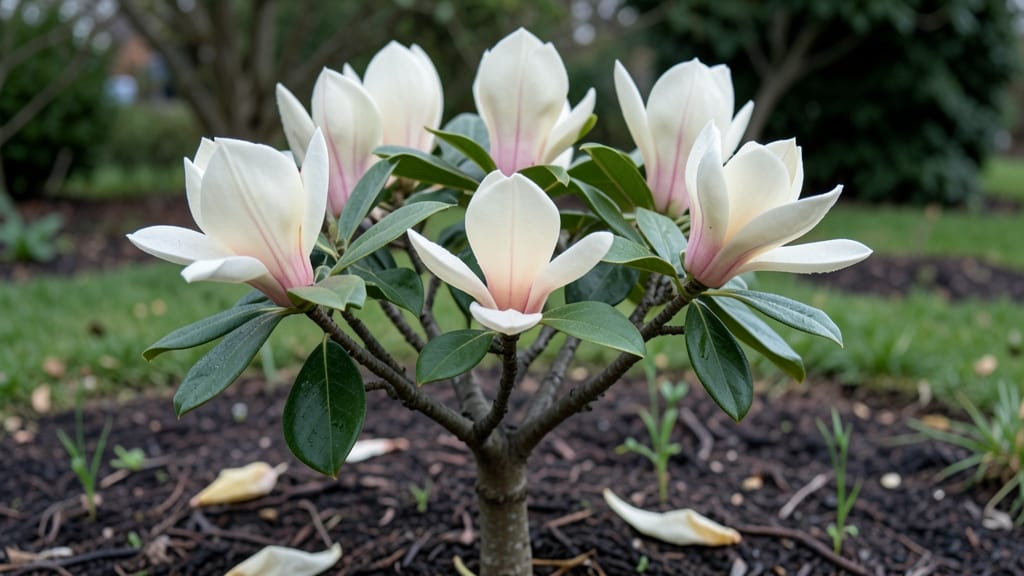
Magnolia trees with yellow flowers are the unsung heroes of spring gardens—bursting with fragrance and turning dull landscapes into sunlit canvases. 🌸 I planted mine near the front porch, and now I can’t imagine a season without their creamy blooms catching morning light.
They’re not just pretty; they’re the kind of plant that makes neighbors pause and ask, "What’s that?"
The best part? Their versatility. Pair them with deep purple irises for a striking contrast, or let them stand alone as a statement tree. They handle shade better than most flowering trees, so they’re perfect for understory spots where others struggle.
Plus, their glossy leaves add summer interest long after the blooms fade. For a fragrant focal point, this is the tree that delivers.
You’ll love how they anchor a garden design—whether as a solitary specimen or part of a themed border. Their height (20-30 feet) gives structure, while their blooms add a touch of elegance that’s hard to beat.
The fragrance alone makes them worth planting, but the way they transform a space? That’s the real magic. Let’s talk placement and pairing ideas next.
Works beautifully in both formal and cottage-style gardens, and their adaptability means they thrive in zones 5-9. The key is choosing the right spot early—once they’re established, they’ll reward you for years with minimal fuss. Here’s how to make them the star of your landscape.
📚 In This Guide
- What you need
- Instructions
- Tips and common mistakes
- Wrapping up and next steps
What you need
- ● Magnolia Tree: Choose a Magnolia liliiflora (yellow magnolia) or Magnolia × soulangeana (yellow-flowering hybrid) from a nursery. Size: 1–3 gallon container (young tree) or bare-root (for dormant planting).
- ● Planting Hole: Dig a hole twice as wide and slightly shallower than the root ball. Depth: Top of root ball should sit 1–2 inches above ground level.
- ○ Soil Amendments (Optional but Helpful): Compost: 5–10 gallons (improves drainage and fertility).
- ● Peat Moss or Pine Bark: 2–3 gallons (for acidic soil lovers like magnolias).
- ● Mulch: 3–4 inches of organic mulch (pine straw, shredded bark, or wood chips). Avoid: Fresh wood chips or mulch piled against the trunk.
- ● Watering Supplies: Garden hose with gentle spray nozzle (for post-planting watering).
- ● Watering can (for deep, slow watering in dry spells).
- ● Fertilizer (Spring/Autumn): Slow-release acid-loving plant fertilizer (e.g., 8-3-9 or 10-10-10 with micronutrients). Amount: Follow label instructions (typically ½ cup per year for young trees).
- ● Soil pH Test Kit: Ensures soil acidity (ideal range: 5.0–6.0).
- ● Tree Stake & Ties: Only if planting in windy areas (use soft fabric ties to avoid trunk damage).
- ● Pruning Shears: Sharp, bypass pruners (for shaping or removing dead blooms post-season).
- ● Fungicide (Preventative): Copper-based spray (if your area has high humidity or fungal risks).
- ● Drip Irrigation System: For automated watering during dry periods.
How to plant and care for yellow-flowering Magnolia trees
These showstopping trees bring bold color and intoxicating fragrance to any landscape—here's how to plant and nurture them for decades of spring glory.
🌱 Step 1: Choose the Perfect Planting Location
Yellow magnolias thrive in partial shade—think 4-6 hours of morning sun with afternoon shade protection. I always plant mine where they’ll receive dappled light through taller trees or near a building’s east side. The soil should drain well but stay consistently moist; magnolias hate soggy feet but also can’t tolerate dry spells.
Test your spot by digging a 12-inch deep hole—if water pools after 10 minutes, amend the soil with 2-3 inches of compost to improve drainage. The hole should be twice as wide as the root ball but no deeper, so the top of the root ball sits 1-2 inches above ground level. This prevents water from pooling around the trunk.
🪴 Step 2: Plant with Care to Ensure Strong Growth
Remove the magnolia from its container and gently loosen the roots if they’re circling. Place it in the hole so the root flare (where roots meet trunk) sits at ground level—burying it too deep suffocates the tree. Backfill with the native soil, tamping lightly every 3 inches to eliminate air pockets.
Water deeply right after planting to settle the soil. You’ll know it’s done when water drains evenly from the hole. I always add a 3-inch layer of mulch (keeping it 6 inches away from the trunk) to retain moisture and regulate soil temperature. Mulch breaks down over time, so replenish it annually in early spring.
☀️ Step 3: Water and Fertilize for First-Year Success
Newly planted magnolias need deep watering once a week during the first growing season—10-15 gallons per tree—unless rainfall provides 1 inch of moisture. Check by sticking your finger 2 inches into the soil; if it’s dry, water again. Overwatering causes root rot, but underwatering stresses the tree before it establishes.
Skip fertilizer the first year—magnolias are slow growers and don’t need extra nutrients to start. In year two, apply a slow-release, acid-loving plant fertilizer (like 8-3-9) in early spring and again in mid-summer. Use half the recommended dose—magnolias are sensitive to salt buildup from over-fertilizing.
✂️ Step 4: Prune and Protect for Long-Term Health
Prune yellow magnolias immediately after flowering (late spring) to avoid cutting off next year’s blooms. Remove only dead, crossing, or rubbing branches—never prune for shape. I use clean, sharp pruners to make cuts just outside the branch collar (the swollen area where the branch meets the trunk). Seal larger cuts with pruning sealant to prevent disease entry.
Young trees benefit from winter protection in cold climates. Wrap the trunk with tree guard (not plastic wrap) and mulch heavily around the base. Magnolias are tough but can suffer frost damage on new growth—watch for brown, crispy leaves in early spring and prune them back once new growth appears.
🌿 Step 5: Enjoy and Maintain for Decades of Blooms
Mature yellow magnolias reward patience with fragrant, cup-shaped blooms that appear before leaves in late spring. To encourage more flowers, avoid heavy pruning—these trees bloom on old wood, so aggressive cuts reduce next year’s blooms. Instead, focus on removing only dead or diseased branches annually.
Watch for scale insects or magnolia leaf gall—common pests that weaken the tree. Treat with neem oil spray in early summer if you spot sticky residue (honeydew) on leaves. With proper care, your magnolia will grow 10-20 feet tall and 15-25 feet wide, becoming a cherished landscape centerpiece for generations.
Tips & tricks for perfect yellow-flowering Magnolia care
Growing these stunning trees successfully comes down to a few key details that make all the difference between a thriving specimen and one that struggles. Here's what I've learned from years of watching these beauties flourish.
Location is Everything: When choosing your spot in Step 1, pay special attention to that 4-6 hours of morning sun requirement. I've seen magnolias placed too far south get scorched by afternoon heat, while those in too much shade never develop strong blooms. Look for areas where taller trees already provide natural afternoon shade—this mimics their native woodland habitat perfectly. The 12-inch deep hole test is crucial too: if water pools after 10 minutes, you absolutely need that 2-3 inches of compost to prevent root rot.
Root Flare Matters More Than You Think: In Step 2, take your time positioning that root flare at ground level. I've seen too many well-meaning gardeners bury the flare too deep, which suffocates the tree. A good trick is to imagine the flare as the tree's "waistline"—it should sit exactly where it would if the tree were standing naturally. After backfilling, gently tamp every 3 inches to eliminate air pockets, but don't compact the soil too firmly. Your goal is to create a snug fit, not a concrete casing.
Watering Wisdom: That 10-15 gallons per week guideline in Step 3 might seem like a lot, but magnolias have deep roots that need consistent moisture. I use a simple finger test: stick your finger 2 inches into the soil—if it's dry, water again. The key is deep watering that reaches those roots, not light surface watering. For young trees, consider installing a drip irrigation system on a timer to ensure they get that 1 inch of moisture weekly without you having to remember.
Pruning Precision: When you're ready to prune in Step 4, remember these trees bloom on old wood. I've made the mistake of pruning too aggressively in winter, only to get sparse blooms the next spring. Always wait until immediately after flowering and only remove dead, crossing, or rubbing branches. For larger cuts, sealing with pruning sealant prevents disease entry—this is especially important in humid climates where fungal infections can spread quickly. And never, ever prune for shape—it's a cardinal sin with these trees!
Pro Tips for Magnolia Tree Yellow Flowers
- Growing these stunning trees successfully comes down to a few key details that make all the difference between a thriving specimen and one that struggles.
- Location is Everything: When choosing your spot in Step 1, pay special attention to that 4-6 hours of morning sun requirement.
- Root Flare Matters More Than You Think: In Step 2, take your time positioning that root flare at ground level.
Frequently asked questions
about magnolia trees with yellow flowers—because every gardener deserves clarity! Here are answers to the most common queries to help you nurture these stunning bloomers like a pro.When do yellow magnolia flowers bloom?
Most yellow-flowering magnolias, like Magnolia × soulangeana or Magnolia liliiflora, bloom in early to mid-spring (March–May, depending on your climate). Some varieties, such as Magnolia denudata (lily magnolia), may flower slightly later. Chilly nights followed by warm days trigger blooming—perfect for extending your spring display!
Why aren’t my magnolia flowers yellow?
If your magnolia’s flowers aren’t yellow, check these common culprits:
- Variety mismatch: Some magnolias (e.g., Magnolia grandiflora) naturally produce white or pink blooms. Verify your tree’s species!
- Age or stress: Young trees or those under stress (drought, poor soil) may produce fewer or paler flowers.
- Pests/disease: Fungal issues (like anthracnose) or pests (scale insects) can distort blooms. Inspect leaves and stems for signs.
Pro tip: Prune dead branches in late winter and amend soil with compost to encourage vibrant blooms next season!
Can I grow a yellow magnolia in a pot?
Yes! Dwarf varieties like Magnolia ‘Genie’ or Magnolia ‘Little Gem’ thrive in containers. Use a large pot (15+ gallons) with drainage holes and well-draining soil. Place it in partial shade and water deeply when the top inch of soil dries. Just remember: Potted magnolias may bloom less prolifically than in-ground trees.
Are yellow magnolia flowers fragrant?
While not as intensely fragrant as white magnolias (like Magnolia stellata), many yellow varieties—such as Magnolia ‘Elizabeth’—emit a subtle, sweet citrusy scent that’s lovely in spring gardens. For stronger fragrance, pair them with other bloomers like gardenia or jasmine.
How cold-hardy are yellow magnolia trees?
Cold tolerance varies by species:
- Magnolia × soulangeana (tulip magnolia): USDA Zones 4–9 (survives down to -20°F/-29°C).
- Magnolia liliiflora (lily magnolia): Zones 5–9 (sensitive to late frosts).
- Magnolia denudata: Zones 4–8 (hardier but may need winter mulch).
Pro tip: Protect young trees with burlap wraps in extreme cold, and avoid planting in windy spots that exacerbate frost damage.
Wrapping up and next steps
Incorporating a magnolia tree with yellow flowers into your garden isn’t just about adding beauty—it’s about creating a fragrant, timeless oasis that brings joy for years.
Whether you’re drawn to their creamy blooms, rich history, or low-maintenance charm, these trees are a perfect blend of elegance and ease.
Ready to elevate your outdoor space? Start by selecting the right variety for your climate, then plant with care—soon, you’ll be rewarded with bursts of golden-yellow sunshine that turn heads (and fill the air with intoxicating perfume). 🌸