
Pruning
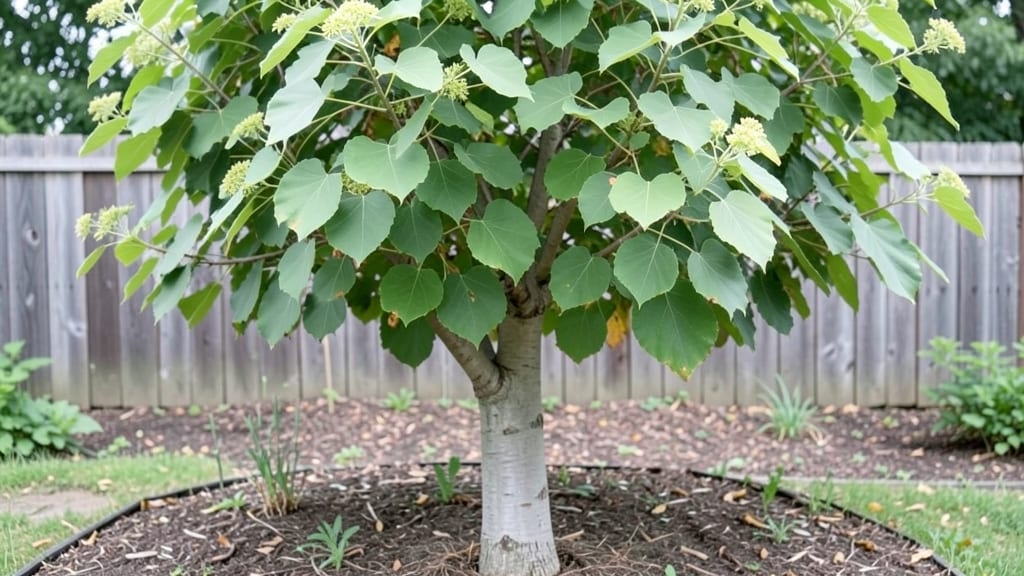
A 25-foot tree typically reaches its mature height within 5–15 years, depending on species, soil quality, and sunlight exposure. Fast-growing types like willows or silver maples may hit this height in under a decade, while slower varieties like oaks or pines take decades. Pruning and care can influence final height.
A 25-foot tree's growth timeline varies dramatically between species, with some reaching maturity in less than a decade while others take generations. 🌳 For example, hybrid poplars can grow 3–4 feet per year under ideal conditions, while a white oak might only add 12 inches annually.
I've seen dramatic differences in the same yard—sunlight exposure alone can double growth rates for sun-loving trees like willows compared to shade-tolerant varieties. The key factors here are genetics, care, and environment, which all interact to determine how quickly your tree will reach that 25-foot mark.
Understanding these differences helps you choose the right tree for your space and timeline. For instance, if you need shade quickly, fast growers like tulip trees are ideal, but they'll require regular pruning to manage their rapid expansion.
Meanwhile, slower growers like dogwoods offer elegant, long-term landscaping solutions with minimal upkeep. The right choice depends entirely on your goals and patience level.
💡 In This Article
- Factors Affecting 25-Foot Tree Growth Rates
- Best Fast-Growing Trees for 25-Foot Heights
Factors affecting 25-Foot tree growth rates
The science behind a tree reaching 25 feet involves a complex interplay of genetics and environmental conditions. Fast-growing species like hybrid poplars or willows have evolved to maximize photosynthesis efficiency, converting sunlight into energy at rates up to 3–4 feet per year under ideal conditions.
This rapid growth comes from their ability to produce long, flexible stems that can quickly extend upward while maintaining structural integrity. 🌱 The key factor here is their cambium layer—a thin growth layer between bark and wood—that actively divides cells during the growing season, adding both height and girth.
Soil quality plays a pivotal role in this process. Trees need nitrogen, phosphorus, and potassium in balanced proportions to fuel their vertical expansion.
For example, a silver maple growing in nutrient-rich loam with a pH of 6.0–7.5 can reach 25 feet in 7–10 years, while the same tree in compacted clay soil might take twice as long.
Root systems also matter—deeper roots anchor the tree while accessing water from deeper soil layers, which is critical during dry spells when surface water evaporates quickly.
Climate zones create dramatic differences in growth rates. Trees in USDA Hardiness Zones 6–9 often grow twice as fast as those in colder zones due to longer growing seasons.
For instance, a dawn redwood in California's Zone 7 can add 2 feet annually, while the same species in Zone 4 might only grow 1 foot per year due to shorter summers.
Seasonal patterns also come into play—most trees experience 80% of their annual growth between May and September, when temperatures and daylight hours are optimal.
Pruning and maintenance can accelerate or slow height progression. Strategic pruning removes competing branches, redirecting the tree's energy upward. However, over-pruning can stress the tree, triggering defensive growth patterns that may actually reduce height gain.
For example, a properly pruned tulip tree can reach 25 feet in 8–12 years, while an unpruned specimen might take 15+ years due to energy spent maintaining dense foliage.
What most people overlook is how water availability affects growth rates. Drought-stressed trees allocate energy to root expansion rather than height, which is why irrigation systems can double growth rates in arid climates.
I've seen willow trees in well-watered urban landscapes grow 5 feet in a single season, while identical trees in dryland conditions might only add 1 foot. This water-height connection explains why fast growers often struggle in drought-prone areas.
Comparing fast and slow growers reveals fascinating trade-offs. Fast growers like hybrid poplars prioritize height over wood density, making them less durable but perfect for quick shade solutions.
Slow growers like white oaks invest energy in dense, heavy wood that resists decay but grows at just 12 inches per year. Understanding these differences helps you match tree species to your specific needs—whether you need rapid vertical growth or long-term structural stability.