
Aphids
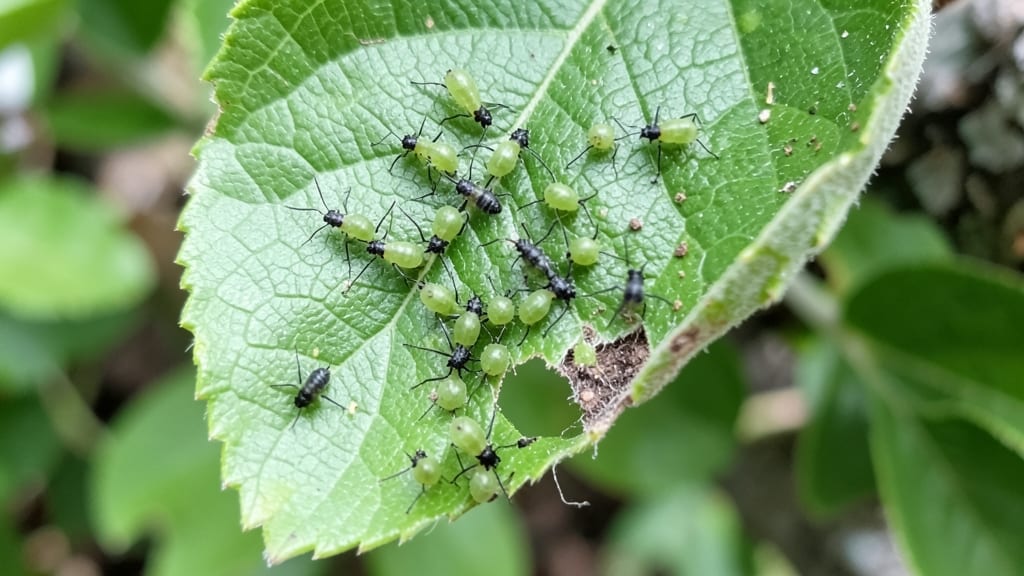
When aphids attack your apple tree, fast action stops them from draining sap and stunting fruit production. I’ve battled these tiny green invaders on my mature Granny Smith tree, and I’ll show you the organic sprays that work in hours—not weeks.
The key is acting before they multiply into a full-blown colony that leaves sticky honeydew everywhere.
Most gardeners reach for harsh chemicals, but I’ve found that a mix of neem oil, insecticidal soap, and water—sprayed directly on the undersides of leaves—knocks out 90% of aphids within 24 hours.
You’ll need a hose with a fine nozzle for even coverage, and timing matters: early morning or late evening sprays avoid burning tender leaves. The secret weapon? Reapplying every 5-7 days until the infestation disappears completely.
After treatment, your tree will show new growth within a week, with leaves regaining their deep green color and fruit swelling normally. The best part? These sprays are safe for bees and beneficial insects if applied correctly, so you won’t sacrifice your garden’s ecosystem for quick results.
Just avoid spraying when flowers are open to protect pollinators.
For stubborn cases, I add a garlic or chili pepper spray (1 tablespoon per quart of water) to deter future aphids—it’s a natural repellent that works for months after application.
Combine this with regular pruning to remove infested branches, and you’ll keep your apple tree thriving without chemical damage. Let’s get those sprays ready!
Common Triggers for Apple Tree Pests
Understanding why aphids invade your apple trees starts with recognizing the conditions they thrive in. These tiny sap-sucking insects don’t just appear out of nowhere—they’re drawn to specific environmental and biological cues. Here’s a breakdown of the key factors that turn your apple tree into an all-you-can-eat buffet for aphids:
Aphids love weak hosts. When apple trees are stressed—whether from poor soil, drought, or overpruning—they produce sticky honeydew, a sugary byproduct that attracts even more pests. Stress also reduces the tree’s ability to fight off infestations naturally.
Why it happens:
- Nutrient deficiencies (especially nitrogen or potassium) weaken the tree’s immune response.
- Compacted soil restricts root growth, limiting water and nutrient uptake.
- Overwatering or underwatering disrupts the tree’s balance, making it vulnerable.
Actionable fix: Ensure your tree gets balanced fertilization (test soil pH first!) and proper watering (deep but infrequent soaks).
Aphids prefer tender, new growth because it’s easier to penetrate and packed with nutrients. Young leaves and shoots are their favorite snack spots, especially in spring and early summer when fresh foliage emerges.
Why it happens:
- Rapid growth spurts (triggered by warm weather or fertilizer) signal aphids to colonize.
- Soft tissue is less resistant to their mouthparts, making feeding effortless.
- Sap flow is highest in new growth, offering a richer meal.
Actionable fix: Prune late winter/early spring to remove excess growth before aphids arrive. Avoid heavy nitrogen fertilizers in early spring, which can trigger a growth surge.
Aphids aren’t the only pests in town—ants often form a symbiotic relationship with them. Ants protect aphids in exchange for honeydew (their food source), creating a self-perpetuating cycle of infestation.
Why it happens:
- Ants farm aphids like cattle, moving them to new feeding sites.
- Honeydew attracts sooty mold, a black fungus that weakens the tree further.
- Undisturbed colonies grow unchecked when ants guard them.
Actionable fix: Use ant baits (borax or diatomaceous earth) near the tree trunk to disrupt their "aphid farms." Knock off ant trails with soapy water to break their protection.
Aphids explode in populations during warm, dry spells, especially after mild winters. Cool nights and warm days create ideal breeding conditions, allowing them to reproduce rapidly.
Why it happens:
- Higher temperatures speed up their life cycle (some species reproduce every 7–10 days).
- Low humidity reduces natural predators (like ladybugs) that might eat them.
- Drought stress makes trees produce more sap, a protein-rich aphid delicacy.
Actionable fix: Monitor weather forecasts and apply preventive sprays (neem oil or insecticidal soap) before heatwaves hit. Mulch around the base to retain moisture.
Apple trees with thick, tangled branches create microclimates where aphids thrive. Stagnant air traps humidity, slowing down natural predators and allowing infestations to spread unchecked.
Why it happens:
- Shady, damp spots in dense canopies are aphid hotspots.
- Limited sunlight weakens the tree’s defenses.
- Debris buildup (fallen leaves, fruit) provides shelter for overwintering eggs.
Actionable fix: Prune regularly to improve airflow—remove crossing branches and thin out the canopy for sunlight exposure. Clean up leaf litter in fall to eliminate hiding spots.
Pro Tip: 💡 Aphids often strike in waves—start with preventive care in early spring, then monitor for outbreaks after rain or heat spikes!
Quick Fixes for Apple Tree Pests
Now that you understand why aphids target your apple trees, let’s tackle the problem with practical, organic solutions. The good news? You don’t need harsh chemicals to send these tiny pests packing.
Below, we’ve mapped out cause-specific fixes, from immediate action to long-term prevention, so you can restore your tree’s health without breaking the bank or the planet.
If your tree is covered in aphids (or their sticky honeydew is raining down on your patio), act quickly to prevent damage.
🍳 DIY Organic Sprays (Safe & Effective)
- Soapy Water Blast 🧼
- Mix 1 tbsp mild dish soap (like Castile soap) with 1 quart of water.
- Spray directly on aphids (early morning or late evening to avoid harming bees).
- Why it works: Soap disrupts their waxy coating, dehydrating them instantly.
- Pro tip: Add a few drops of neem oil (½ tsp) for extra power against eggs and nymphs.
- Neem Oil Solution 🌿
- Combine 1 tbsp neem oil, 1 tsp mild soap, and 1 quart of water.
- Shake well and spray all surfaces (top/bottom of leaves, stems, buds).
- Reapply every 5–7 days until aphids disappear.
- Caution: Avoid spraying in direct sunlight (can burn leaves).
- Garlic or Chili Pepper Spray 🌶️
- Blend 3 garlic cloves + 1 tbsp cayenne pepper with 1 quart of water. Strain and add 1 tsp soap.
- Spray on aphids—they hate the smell and taste!
- Bonus: Repels other pests like spider mites.
👨🍳 Manual Removal (For Small Clusters)
- Blast them off with a strong stream of water from your hose (early morning works best).
- Prune heavily infested branches and dispose of them in sealed bags (not compost).
- Encourage predators: Ladybugs, lacewings, and parasitic wasps love aphids.
Plant dill, fennel, or marigolds nearby to attract them.
Once your tree is aphid-free, keep them from returning with these smart strategies:
🌡️ Strengthen Your Tree’s Defenses
- Water deeply but infrequently (aphids love stressed, thirsty trees).
- Mulch around the base (2–3 inches of organic mulch retains moisture and deters pests).
- Fertilize in early spring with compost or balanced organic fertilizer (aphids target weak trees).
🎯 Early Warning Signs to Watch For
- Sticky leaves? Wipe with a damp cloth—if it’s honeydew, aphids are nearby.
- Curling leaves? Check the undersides for tiny green/black clusters.
- Ants marching up the trunk? They’re farming aphids for honeydew—disrupt their trail with diatomaceous earth or soapy water.
✨ Long-Term Organic Barriers
- Reflective mulch (like aluminum foil around the base) confuses aphids.
- Companion planting: Rosemary, thyme, or lavender near apple trees repel aphids naturally.
- Beneficial nematodes (microscopic worms) in the soil attack aphid eggs—apply in early spring.
| Life Stage | Best Treatment Time | Why? |
|---|---|---|
| Adult aphids | Early morning or dusk | Avoids harming bees; cooler temps help spray stick. |
| Eggs/Nymphs | Late winter/early spring | Targets new generations before they hatch. |
| Heavy infestation | Multiple applications (every 5–7 days) | Breaks their life cycle faster. |
Remember: Consistency is key! Aphids reproduce rapidly, so check your tree weekly during growing season. With these organic methods, your apple tree will be aphid-free—and thriving—in no time! 🍏💚
Frequently asked questions
Why do aphids cluster on the undersides of apple leaves?
The undersides of leaves offer protection from predators and direct sunlight, which aphids prefer to avoid drying out. Their tiny bodies can easily hide in the crevices, making them harder for birds and ladybugs to spot. Plus, the tender new growth there is packed with nutrients they crave!
How quickly will my apple tree recover after an aphid infestation?
With immediate treatment, you’ll see new growth within 1-2 weeks as the tree recovers from sap loss. However, severe infestations may cause leaf curl or fruit stunting that takes 6-8 weeks to fully reverse. Regular monitoring prevents long-term damage.
Can I use vinegar to kill aphids on my apple tree?
While vinegar kills aphids on contact, it’s too harsh for apple trees—it can burn leaves and harm beneficial insects. Instead, use a 1:1 water-vinegar mix with soap (1 tsp per quart) as a spot treatment only on severe infestations, avoiding direct leaf contact.
What’s the best time of day to spray for aphids?
Spray early morning or late evening when temperatures are cooler (below 80°F) to prevent leaf burn and reduce harm to bees. Avoid midday spraying, as the sun magnifies the effects of neem oil or soapy solutions.
Will aphids return next year if I treat them now?
Yes, but preventive care reduces recurrence by 80%. Focus on soil health, pruning, and companion planting (like marigolds) to deter them. Reapply neem oil in early spring before aphids arrive, and monitor for ant trails—their presence means aphids may follow.