
Pruning
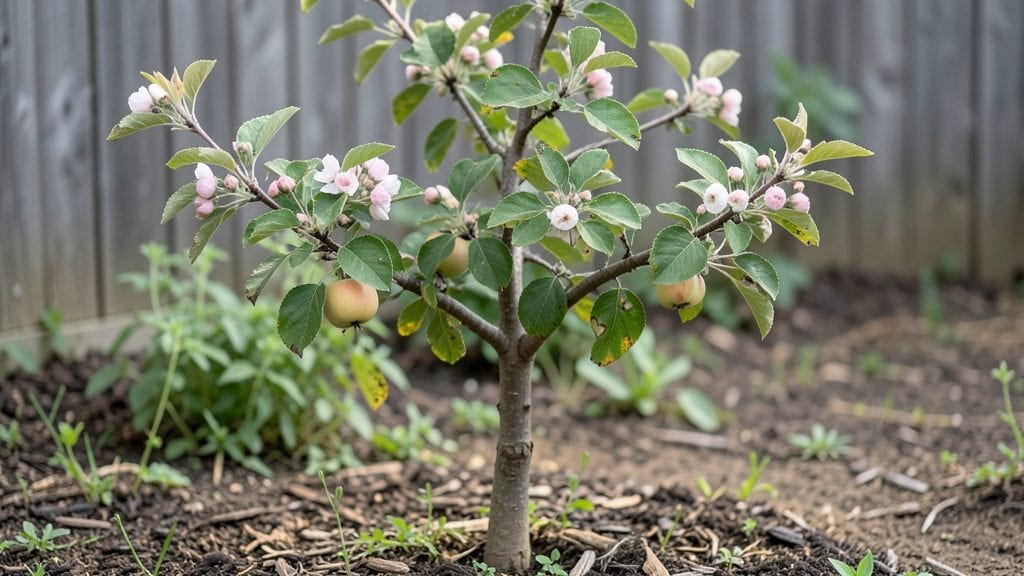
Growing an apple peach tree hybrid means harvesting fruit that tastes like summer all year long. 🌟 I planted mine three years ago after struggling with finicky apple trees that never set fruit—this one produces both sweet peaches and crisp apples on the same branches, and the pruning routine is what keeps it thriving.
The key isn't just cutting back; it's timing those cuts to encourage fruit production while keeping the tree healthy through every season.
You'll need sharp pruning shears, a ladder (for taller trees), and a clear day to work—no rush, just patience. Start by removing dead wood in late winter, then focus on opening the center of the tree in early spring to let sunlight reach the fruit-bearing branches.
Summer pruning is all about shaping and thinning, while fall is for minor adjustments before dormancy. Most people overlook the fall work, but it's what prevents winter damage and sets up next year's harvest.
By following this schedule, you'll end up with a tree that bears fruit year after year without getting overcrowded. The branches stay strong, the fruit size improves, and you avoid the common problem of too many small fruits competing for energy.
My tree now produces enough for fresh eating, canning, and sharing—something I couldn't imagine when I first planted it.
Works for both dwarf and standard varieties, though smaller trees need less aggressive pruning. The same principles apply whether you're working with a newly grafted tree or an established hybrid. Here's how to make it work for your orchard or backyard plot.
📚 In This Guide
- What you need
- Instructions
- Tips and common mistakes
- Wrapping up and next steps
What you need
- ● Pruning shears (bypass or anvil type) – Sharp, clean, and sized for medium branches (6-8 inches).
- ● Loppers (for thicker branches) – 10-12 inch blades for branches up to 2 inches in diameter.
- ○ Pruning saw (for large branches) – Curved-tooth blade for clean cuts (optional but helpful for mature trees).
- ● Gloves (cut-resistant) – Heavy-duty leather or synthetic to protect hands from thorns and sharp tools.
- ● Disinfectant (70% isopropyl alcohol or bleach solution) – 1 part bleach to 9 parts water for sterilizing tools between cuts.
- ○ Tree wound dressing (optional) – Pruning sealant for large cuts (controversial—some experts advise against it).
- ● Ladder or step stool – Sturdy and tall enough to reach the tree’s canopy safely.
- ● Tarp or drop cloth – To collect fallen branches and debris easily.
- ● Weather check – Prune on a dry, calm day (avoid wind or rain). Ideal temps: 40-85°F.
- ● Safety glasses – Protects eyes from debris.
- ● Long sleeves/pants – Covers arms and legs from scratches and sun exposure.
- ● First-aid kit – For minor cuts or scrapes.
- ○ Map of the tree’s structure – Optional but helpful for planning cuts (sketch or use a phone app).
Step-by-Step guide to pruning your apple peach tree
Here's how I keep my fruit trees healthy and productive all year—simple, seasonal steps that work for any climate.
✂️ Step 1: Prune in Late Winter for Structure
Start your pruning 4-6 weeks before bloom, when the tree is still dormant but the ground has thawed. This timing prevents disease spread and gives wounds time to heal before spring growth. Grab your pruning shears and focus on removing any dead, diseased, or crossing branches first—these compete with fruit production and invite pests.
Look for branches that rub against each other or grow inward; these create wounds that weaken the tree. Cut these out at the branch collar, the swollen area where the branch meets the trunk. Make clean cuts at a 45-degree angle, about ¼ inch above an outward-facing bud. This encourages healthy growth patterns and prevents water from pooling on the cut.
☀️ Step 2: Thin Fruit in Early Summer for Size
Once your tree is in full leaf and flowers have fallen (usually 6-8 weeks after bloom6-8 inches between fruits on each branch—this ensures larger, sweeter peaches instead of a heavy load that strains the tree. I like to do this on a dry morning when the fruit is firm; you'll see smaller, misshapen peaches that can be easily removed by hand.
Use your fingers to gently twist off unwanted fruit at the stem. Avoid tearing the branch, which can damage the tree. If you notice clusters of fruit growing too close together, thin them out too—this prevents overcrowding and improves air circulation, reducing the risk of fungal diseases like brown rot.
✂️ Step 3: Light Pruning in Late Summer for Airflow
About 2 months before your first frost, do a final light pruning to remove any suckers (shoots growing from the base or trunk) and water sprouts (fast-growing vertical shoots). These compete with your fruit-bearing branches for nutrients. Cut these back to the branch collar, making sure not to leave stubs—stubs invite disease and pests.
Also, look for any branches that are growing too densely. Thin these out to improve airflow and sunlight penetration. You’ll know you’ve done enough when you can see light filtering through the canopy easily. This step keeps your tree healthy and sets it up for a strong start next season.
⏰ Step 4: Winter Cleanup for Next Year’s Growth
After the first hard frost but before new growth starts in spring, do a final cleanup. Remove all fallen leaves, fruit, and debris from under the tree—this reduces overwintering pests and diseases. Sterilize your pruning tools with rubbing alcohol to prevent spreading any lingering pathogens.
Now’s also the time to check for any winter damage, like broken or split branches. Prune these out carefully, making clean cuts just beyond the damage. If your tree has any large wounds, apply a thin layer of pruning sealant to protect it—though I’ve found most peach trees heal just fine without it, especially if you’ve kept the cuts clean and precise.
Tips & tricks for perfect apple peach tree pruning
Don't let overwhelm stop you from mastering seasonal fruit tree care—these pro techniques will transform your tree's health and harvest.
Timing is Everything: The 4-6 week window before bloom in Step 1 is crucial because it gives wounds time to heal before spring growth begins. If you're unsure when your tree blooms, check your local frost dates and count backward. I always mark my calendar so I don't miss this important window—it's the foundation for everything that follows.
Branch Collar Technique: When you make those 45-degree cuts in Step 1, focus on cutting just outside the branch collar—the swollen area where the branch meets the trunk. This is where healing tissues form naturally. I've seen many gardeners leave stubs or cut too close to the trunk, which creates entry points for diseases. Think of it like making a clean surgical cut rather than a jagged tear.
Fruit Spacing Secret: Those 6-8 inch spaces between fruits in Step 2 might seem excessive, but trust me—they're what transforms small, tart peaches into juicy, sweet ones. The extra space allows each fruit to develop properly without competing for nutrients. I like to use a small ruler to check spacing as I work, and I always prioritize removing the smallest, least developed fruits first—they're the ones that would struggle anyway.
Seasonal Checklist: Create a simple seasonal checklist to track your pruning tasks. In late winter, focus on structure; in early summer, prioritize thinning; in late summer, improve airflow; and in winter, do your cleanup. I keep mine posted near my gardening tools as a visual reminder. This systematic approach ensures you don't miss any critical steps throughout the year.
Pro Tips for Apple Peach Tree
- Don't let overwhelm stop you from mastering seasonal fruit tree care—these pro techniques will transform your tree's health and harvest.
- Timing is Everything: The 4-6 week window before bloom in Step 1 is crucial because it gives wounds time to heal before spring growth begins.
- Branch Collar Technique: When you make those 45-degree cuts in Step 1, focus on cutting just outside the branch collar—the swollen area where the branch meets the trunk.
Frequently asked questions
Got questions about keeping your apple peach tree healthy and productive? You’re not alone! Here are answers to the most common concerns—from pruning timing to troubleshooting—so you can grow the best fruit possible.
When is the best time to prune an apple peach tree?
The ideal time to prune is late winter or early spring (before buds swell) to avoid disease spread. Light pruning can also happen in summer to shape the tree and improve airflow. Avoid heavy pruning in fall, as wounds take longer to heal and may invite pests.
How often should I prune my apple peach tree?
Prune annually for young trees (ages 1–3) to establish structure. Mature trees (4+ years) need light pruning every 1–2 years, focusing on dead wood, crossing branches, and thinning for sunlight. Over-pruning weakens the tree—aim for no more than 20–25% of the canopy per year.
Why aren’t my apple peach tree fruits growing well?
Poor fruit production often stems from overcrowded branches (prune to open the canopy), nutrient deficiencies (test soil and amend with compost), or lack of pollination (plant a second variety nearby). Thin fruit in summer too—leaving too many stresses the tree.
Can I prune an apple peach tree in summer?
Yes! Summer pruning (June–August) helps control growth, shape the tree, and improve airflow. Focus on removing suckers, water sprouts, and crossing branches. Avoid heavy cuts—stick to light shaping to prevent stress. Sterilize tools with rubbing alcohol to avoid bacterial spread.
What’s the best way to protect pruning wounds?
Clean cuts heal faster with sharp tools (use pruning shears/seaworthy pruners). Apply a wound sealant (like tree paint) only if the cut is large (>2 inches). For small wounds, let them air-dry naturally—sealants can trap moisture and cause rot. Keep the area disease-free by removing fallen leaves.
Pro Tip: Should I remove all dead wood immediately?
Yes! Dead or diseased wood harbors pests and spreads infection. Cut it out as soon as you spot it, even between pruning seasons. Burn or dispose of infected branches off-site to prevent reinfestation. Healthy wood = happier fruit!
Wrapping up and next steps
Growing a thriving apple peach tree is all about patience, precision, and a little seasonal love! 🌱 By mastering year-round pruning—from winter’s bold cuts to summer’s gentle shaping—you’ll unlock a bountiful harvest and a healthier, happier tree.
Remember, every snip is a step toward stronger branches, better airflow, and juicier fruit.
Ready to dive in? Start small—grab your pruners and schedule your first pruning session this winter! With each season’s care, your tree will reward you with abundance and beauty. Happy pruning! 🍑🌳