
Diseases
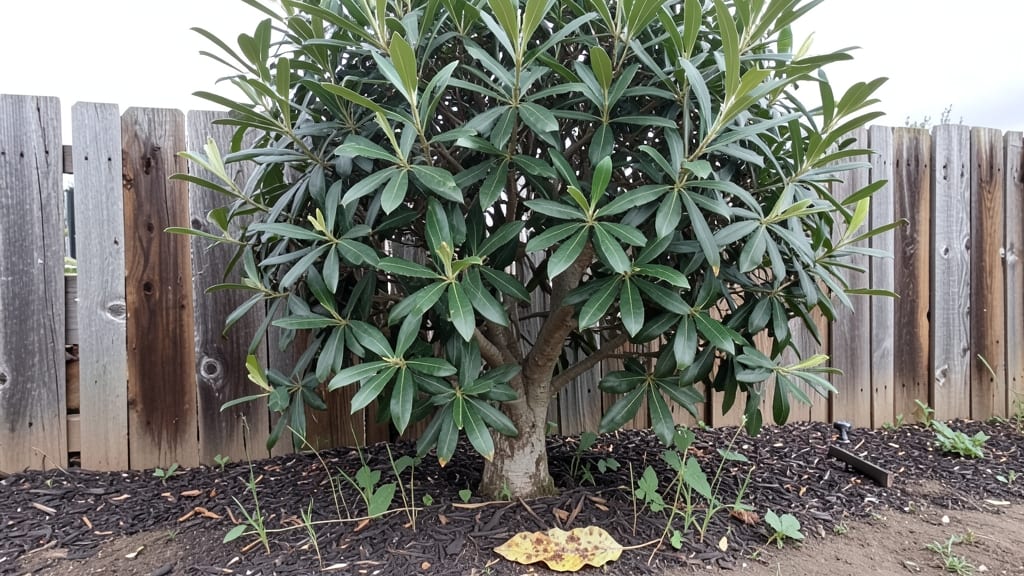
Bay leaf tree diseases strike when humidity spikes or airflow stalls—yellowing leaves, black spots, or oozing stems are your first warnings. 🌿 I’ve seen these signs turn a thriving bay tree into a sad, sparse shadow in just weeks, but catching them early makes all the difference.
The key is knowing what to look for before the damage spreads beyond saving.
Fungal infections like anthracnose or root rot thrive in damp conditions, while bacterial spots create sunken, tarry patches on leaves. Environmental stress—overwatering, poor drainage, or cramped pots—often triggers these problems first.
My bay trees stayed healthy for years after I swapped heavy soil for a fast-draining mix and added a fan to keep air moving around the leaves.
Organic fixes start with pruning infected branches back to healthy growth, then treating with neem oil or copper fungicide. For indoor trees, increase airflow with a small fan; outdoors, space plants 3–4 feet apart. Within two weeks, you’ll see new growth pushing out as the tree recovers its strength.
Whether your bay tree lives in a sunny kitchen window or a Mediterranean-style courtyard, these same principles apply. The goal isn’t just to fix the problem—it’s to create conditions where diseases can’t take hold in the first place. Let’s get your tree back to its best.
Root Causes of Bay Leaf Tree Struggles
Bay leaf trees (Laurus nobilis) are hardy but not invincible—when they fall prey to disease, it’s usually because of a mix of environmental stress, poor care, or unseen invaders.
Understanding the why behind these issues helps you prevent them before they take root. Let’s break down the most common culprits and their scientific backstories.
Fungi thrive in damp, stagnant conditions, and bay leaf trees are no exception. Diseases like Phytophthora root rot or Cercospora leaf spot flourish when:
- Soil stays soggy: Poor drainage or overwatering creates the perfect fungal buffet. Fungal spores germinate in waterlogged soil, attacking roots and leaves.
- Humidity spikes: High humidity (above 70%) without airflow encourages spores to spread via splashing water or wind.
- Wounds go untreated: Pruning cuts or storm damage provide entry points for fungi to colonize.
Pro tip: 💡 Phytophthora can survive in soil for years—sterilize tools with 70% isopropyl alcohol between uses to avoid cross-contamination.
Insects like aphids, scale, and spider mites don’t just sap sap—they create wounds that invite secondary infections. Here’s how they set the stage:
- Saliva as a pathogen vector: Aphids inject toxins while feeding, stressing the tree and making it susceptible to fungal/bacterial invaders.
- Honeydew buildup: Sticky residue from pests fosters sooty mold (Capnodium), which blocks sunlight and clogs stomata (leaf pores).
- Root-feeding larvae: Grubs from beetles (e.g., Otiorhynchus) chew roots, disrupting nutrient uptake and leaving the tree vulnerable to Verticillium wilt.
Pro tip: 🔥 Neem oil disrupts insect life cycles—spray undersides of leaves where pests hide, and repeat every 7–10 days.
Bay leaf trees are Mediterranean natives, meaning they’re adapted to drought tolerance and full sun. When conditions veer too far from their comfort zone:
- Temperature swings: Sudden cold snaps (<32°F) or heatwaves (>95°F) weaken cellular defenses, making trees prone to Botrytis (gray mold).
- Poor airflow: Dense foliage or crowded plantings trap moisture, creating microclimates ideal for Alternaria leaf spot.
- Nutrient deficiencies: Lack of magnesium (yellowing between veins) or nitrogen (pale new growth) signals stress, making trees easier targets for pathogens.
Pro tip: 🌡️ Mulch 2–3 inches deep with wood chips to regulate soil temp—just keep it 6 inches away from the trunk to prevent rot.
Most bay leaf tree diseases are opportunistic: they exploit weaknesses, not strike out of nowhere. By addressing moisture, pests, and environmental factors, you can starve problems before they start. Next up? Spotting the red flags early.
Quick Fixes for Common Bay Tree Ailments
If your bay leaf tree is showing signs of distress, don’t panic—most issues can be resolved with targeted care. Below are practical, organic solutions tailored to the most common diseases affecting bay trees, along with prevention tips to keep your plant thriving. 🌿💚
1. Powdery Mildew: The Fluffy White Threat
🔥 Cause: High humidity, poor airflow, or overcrowded plants create the perfect breeding ground for this fungal nightmare.
👨🍳 How to Treat It:
- Prune aggressively 🔪: Remove infected leaves (they’ll turn brown and crispy) using sterilized shears. Dispose of them in the trash—not the compost!
- Neem oil spray 🌿: Mix 1 tsp neem oil + 1 tsp mild soap + 1 quart water. Spray both sides of leaves every 5–7 days until the white fuzz disappears.
- Boost airflow ⚡: Thin out nearby plants or move your bay tree to a brighter, less humid spot (e.g., near a window with indirect light).
💡 Prevention Tip:
- Water at the base 💧—avoid wetting leaves. Early morning watering lets foliage dry faster.
- Space plants 12+ inches apart to reduce humidity pockets.
2. Leaf Spot: The Brown Stain Attack
🍳 Cause: Fungal spores (often Cercospora or Alternaria) love damp leaves, especially in warm, wet conditions.
🔪 How to Treat It:
- Deadhead diseased leaves immediately—don’t wait! Use rubbing alcohol (70%+) to sterilize pruners between cuts.
- Baking soda fungicide 🧂: Stir 1 tbsp baking soda + 1 tsp oil (like olive or vegetable) + 1 gallon water. Spray weekly until new growth appears.
- Improve drainage 🌧️: Ensure pots have drainage holes and use a well-draining mix (e.g., 60% potting soil + 30% perlite + 10% sand).
🌡️ Prevention Tip:
- Water only when the top inch of soil is dry—overwatering is the #1 trigger.
- Avoid overhead watering—use a drip irrigation system or watering can with a narrow spout.
3. Root Rot: The Silent Killer
⏰ Cause: Overwatering or poorly drained soil suffocates roots, inviting Phytophthora or Pythium fungi.
🌱 How to Revive It:
- Repot immediately 🏺: Gently remove the tree, trim black/mushy roots with sterilized scissors, and replant in fresh, sterile potting mix.
- Adjust watering habits 💧: Let soil dry completely between waterings. Stick your finger in—if the top 2 inches are moist, wait.
- Add perlite or vermiculite (20%) to improve aeration in the new soil mix.
✨ Prevention Tip:
- Use terracotta pots—they wick away moisture better than plastic.
- Mulch lightly (if outdoors) with orchid bark to regulate soil moisture without smothering roots.
1. Spider Mites: Tiny Web Weavers
🕷️ Cause: Dry air and dust attract these sap-suckers, causing yellow stippling on leaves.
🍳 How to Eliminate Them:
- Blast them off 💦: Spray leaves with water (from a hose or spray bottle) to dislodge mites.
- Insecticidal soap 🧼: Mix 1.5 tbsp castile soap + 1 quart water. Spray every 3–4 days for 2 weeks.
- Introduce predator mites (if outdoors) or release ladybugs for natural control.
🎯 Prevention Tip:
- Mist leaves lightly 2–3 times a week to keep humidity up.
- Wipe leaves with a damp microfiber cloth weekly to remove dust.
2. Scale and Mealybugs: The Sticky Invaders
🐜 Cause: These pests cluster on stems/leaves, excreting honeydew that attracts sooty mold.
🔥 How to Remove Them:
- Scrape them off 🧼: Use a soft toothbrush dipped in rubbing alcohol to physically remove clusters.
- Horticultural oil spray 🛢️: Apply 2 tbsp oil + 1 quart water (in the evening to avoid leaf burn). Repeat weekly.
- Sticky traps 🎣: Place yellow sticky cards near the plant to catch flying pests.
💡 Prevention Tip:
- Inspect new plants for 2 weeks in quarantine before adding to your collection.
- Encourage beneficial insects like parasitic wasps (they love scale!).
- Boost light ☀️: Bay trees thrive in bright, indirect light (6+ hours/day).
Rotate the pot weekly for even growth. - Fertilize lightly 🌱: Use a balanced organic fertilizer (like fish emulsion) only in spring/summer—overfeeding stresses roots. - Humidity help 🌧️: Group plants together or use a pebble tray with water to increase moisture.
Remember: Early action is key! The moment you spot white powder, brown spots, or sticky residue, jump into treatment. With these fixes, your bay tree will bounce back—and stay disease-free for years to come. 🌿💪
Frequently asked questions about bay leaf tree diseases
What are the first signs my bay leaf tree has a fungal infection?
Look for yellowing leaves, white powdery patches (powdery mildew), or dark brown spots with yellow halos (leaf spot). These often appear on older leaves first. If you see blackened stems or mushy roots, it may be root rot—act fast by repotting in fresh, dry soil.
Can I save a bay leaf tree with severe root rot?
Yes, but you’ll need to act quickly! Trim all black/mushy roots with sterilized scissors, then repot in a well-draining mix (60% potting soil + 30% perlite). Water only when the top 2 inches of soil are dry. If the tree is beyond saving, propagate from healthy cuttings to grow a new one.
Why does my indoor bay leaf tree keep getting powdery mildew?
Indoor bay trees often suffer from high humidity and poor airflow. Boost circulation with a small fan, avoid wetting leaves when watering, and space plants 12+ inches apart. A neem oil spray (1 tsp oil + 1 quart water) every 5–7 days will also help clear it up.
Are there organic ways to treat bacterial leaf spot on bay trees?
Remove infected leaves immediately, then spray with a baking soda solution (1 tbsp baking soda + 1 tsp oil + 1 gallon water). Improve airflow and water at the base (not overhead) to prevent reinfection. Copper fungicide is another effective organic option for stubborn cases.
How often should I prune my bay leaf tree to prevent diseases?
Prune 2–3 times a year: Remove dead/diseased branches in late winter, shape the tree in early summer, and do a light cleanup in fall. Always use sterilized tools (70% isopropyl alcohol) to avoid spreading pathogens. Pruning improves airflow, which is key to preventing fungal infections.