
Trees
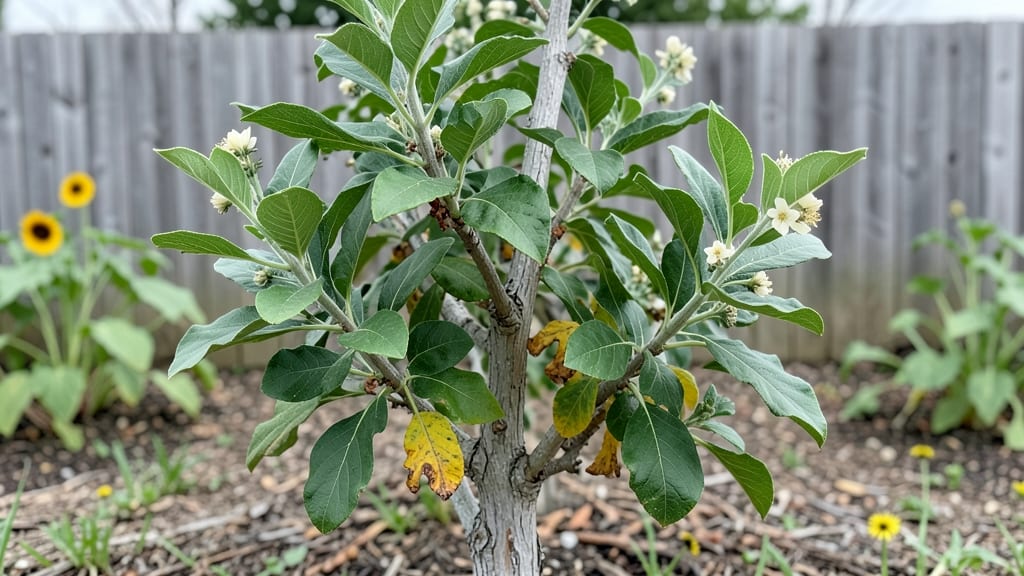
Bay trees flowering feels like nature’s secret handshake—tiny green buds that promise both beauty and harvest. 🌿 I’ve watched my own bay trees sit for years, stubbornly refusing to bloom, until I learned the dormancy-breaking tricks that finally triggered those delicate spring flowers.
The difference between a tree that flowers reliably and one that stays bare often comes down to sunlight, pruning timing, and soil health.
Here’s the thing—bay trees need full sun (at least 6 hours daily) and well-draining soil to even consider flowering. Most gardeners overlook pruning: cutting back old wood in late winter signals the tree to push new growth, which is where flowers form.
I’ve seen trees that bloomed within 2 weeks of proper pruning—proof that a little strategic cutting makes all the difference.
Once those tiny white flowers appear, don’t assume they’re done. They’ll turn into glossy black berries (edible but bitter), and if you want more blooms next year, leave some berries—they’re the tree’s way of setting seeds for future growth.
The real magic happens when you combine pruning with consistent watering (but never soggy soil) and a light fertilizer in early spring.
Works for both ornamental and culinary bay trees—just adjust pruning aggression based on your goals. Whether you’re growing for fragrant leaves or showy blooms, these tricks will turn your bay tree into a flowering powerhouse. Let’s get those buds popping!
📚 In This Guide
- What you need
- Instructions
- Tips and common mistakes
- Wrapping up and next steps
What you need
- ● Bay tree(s) – Mature, healthy specimens (3+ years old) with visible buds but no active blooms. Pro tip: Choose varieties like Laurus nobilis 'Angustifolia' or Umbellularia californica for better flowering potential!
- ● Pruning shears – Sharp, clean tools (sterilized with rubbing alcohol) to trim dormant branches.
- ○ Horticultural oil or dormant spray – 2–3 quarts (e.g., Neem oil or horticultural oil for pest/fungal control). Optional: Add 1 tbsp of fish emulsion (10-0-0) per gallon for extra nutrients.
- ● Watering can or hose – With a gentle spray nozzle for post-treatment hydration.
- ● Thermometer – To monitor temperature (ideal range: 40–50°F for dormancy-breaking treatments).
- ○ Mulch (optional) – 2–3 inches of organic mulch (e.g., shredded bark or pine needles) to retain moisture and regulate soil temp.
- ● Timing: Start treatments in late winter (Feb–March) before new growth begins. Avoid freezing temps (<32°F).
- ● Location: Ensure your bay tree is in a sunny spot (6+ hours of light daily) with well-draining soil (pH 6.0–7.5).
- ● Health check: Remove any dead/diseased branches before treatments to reduce stress.
- ● Patience: Flowering may take 1–2 years post-treatment, depending on the tree’s age and variety.
Step-by-Step instructions for encouraging bay tree flowering
Here’s how to coax those elusive blooms from your bay tree—it’s all about timing and care.
☀️ Step 1: Provide the Right Light Conditions
Bay trees need full sun exposure—at least 6-8 hours of direct sunlight daily—to trigger flowering. If your tree is indoors, place it near a south-facing window where it gets the most light. I’ve found that supplementing with a grow light for 12-14 hours per day during winter helps, especially if natural light is limited.
Watch for signs of insufficient light: if the leaves start turning pale or the tree grows leggy (stretching toward the light), it’s time to adjust. Move it closer to the window or add a grow light immediately. Bay trees are sensitive to light deprivation, and without it, they simply won’t bloom.
💧 Step 2: Adjust Watering to Mimic Seasonal Changes
Flowering in bay trees is often triggered by stress—specifically, a period of reduced watering during late winter or early spring. Start by allowing the top 1-2 inches of soil to dry out completely between waterings for about 4-6 weeks before you expect blooms. This mimics the natural drought conditions that signal the tree to flower.
Don’t let the soil stay bone-dry for months, though. Once you see new growth or buds forming, return to regular watering—keeping the soil evenly moist but not soggy. Overwatering at this stage can drown the buds before they open. You’ll know you’re on the right track when you see small, green flower buds forming in the leaf axils.
✂️ Step 3: Prune Strategically to Stimulate Growth
Prune your bay tree in late winter or early spring, just as the buds begin to swell. Focus on removing any dead, diseased, or crossing branches first—this ensures the tree directs its energy where it counts. Then, cut back about 1/3 of the new growth from the previous year to encourage bushier, more vigorous growth, which in turn promotes flowering.
Use clean, sharp pruning shears to make cuts just above a leaf node or bud. Avoid heavy pruning in summer or fall, as this can stress the tree and delay flowering. After pruning, give the tree a balanced, slow-release fertilizer to support the new growth and flowering process. You’ll notice fresh, vibrant leaves emerging within a few weeks—that’s your sign the tree is responding well.
🌿 Step 4: Maintain Consistent Care Through Bloom Season
Once your bay tree starts flowering, keep the soil lightly moist but not waterlogged. Overwatering now can cause buds to drop, while underwatering can stunt their development. I like to water deeply once a week, then let the top inch of soil dry out before watering again. This balance encourages strong, healthy blooms.
If your tree is outdoors, protect it from harsh winds or extreme temperature fluctuations, which can stress the plant and cause buds to abort. A light layer of mulch around the base helps regulate soil temperature and retain moisture. Watch for small, fragrant white or yellow flowers—these are your reward for the careful care you’ve provided!
⏰ Step 5: Prepare for Next Year’s Blooms
After the flowering season, continue to care for your bay tree with regular pruning and fertilizing to maintain its health. In late fall, reduce watering slightly again to prepare the tree for dormancy, but don’t let the soil dry out completely. This gradual adjustment helps the tree enter a natural resting phase, setting the stage for next year’s blooms.
I’ve found that bay trees that bloom reliably are those that experience a clear seasonal rhythm—even if they’re indoors. Pay attention to your tree’s cues: if it drops leaves or slows growth in winter, it’s ready for that dormant period. With consistent care, your bay tree will reward you with fragrant blooms year after year.
Tips & tricks for encouraging bay tree flowering
Here's what nobody tells you about getting those elusive bay tree blooms—these are the details that separate a leafy green bush from a fragrant flowering beauty.
Light Quality Matters: While the instructions emphasize 6-8 hours of sunlight, pay attention to the quality of that light. South-facing windows provide the most consistent light, but if you're using artificial grow lights for the 12-14 hour winter supplement, position them 6-12 inches above the tree and use full-spectrum bulbs. I've found that LED grow lights with a color temperature of 5000-6500K mimic natural sunlight best for flowering. The key is replicating the sun's spectrum, not just the duration.
Stress Timing is Critical: That 4-6 week reduced watering period in Step 2 is your secret weapon, but timing is everything. Start this drought period in late February or early March—just as natural daylight increases. This mimics the tree's native Mediterranean climate where winter rains taper off and spring drought begins. If you start too early, the tree may go fully dormant; too late, and you miss the flowering trigger. Watch for new growth at the leaf axils as your cue to return to regular watering.
Pruning Precision: When you cut back that 1/3 of new growth in Step 3, aim for clean cuts just above a leaf node or outward-facing bud. This encourages branching and redirects energy toward flowering. I've noticed that trees pruned this way develop more compact growth with thicker stems—ideal for supporting flower clusters. Avoid cutting into old wood as this can create wounds that take years to heal. Sterilize your pruning shears with rubbing alcohol between cuts to prevent disease transmission.
Seasonal Transition Strategy: The gradual water reduction in late fall (Step 5) is about more than just moisture—it's about temperature regulation. As nights grow cooler, reduce watering to allow the soil to cool slightly between waterings. This temperature fluctuation helps the tree recognize seasonal changes. You'll know you're on track when the tree naturally drops some older leaves—this is its way of preparing for dormancy and the following spring's bloom cycle.
Pro Tips for Bay Trees Flowering
- Here's what nobody tells you about getting those elusive bay tree blooms—these are the details that separate a leafy green bush from a fragrant flowering beauty.
- Light Quality Matters: While the instructions emphasize 6-8 hours of sunlight, pay attention to the quality of that light.
- Stress Timing is Critical: That 4-6 week reduced watering period in Step 2 is your secret weapon, but timing is everything.
Frequently asked questions
Got questions about getting your bay trees to flower? You’re not alone—many gardeners wonder how to coax those fragrant blooms out of their evergreens. Here are some of the most common queries, answered for you!
Why isn’t my bay tree flowering?
Bay trees (Laurus nobilis) often skip flowering if they’re too young (under 5–7 years), stressed, or lack dormancy. Cold winters (below 40°F) trigger blooms—if your climate is mild, try moving potted trees outdoors in winter or pruning to mimic seasonal stress. Pro tip: Avoid over-fertilizing with nitrogen-heavy feeds, which prioritize leaf growth over flowers.
How long does it take for a bay tree to flower?
Patience is key! Most bay trees take 5–10 years to mature enough for flowering, especially from seed-grown plants. Grafted trees may bloom sooner (3–5 years). If your tree is older but still dormant, check for dormancy-breaking techniques like winter chilling or root pruning.
Can I force a bay tree to flower indoors?
Indoor bay trees rarely flower because they lack natural seasonal cues. To improve chances:
- Place near a cool (50–60°F) window in winter.
- Reduce watering to mimic dormancy.
- Use a grow light for 12+ hours/day in spring.
What should I do if my bay tree’s flowers turn brown?
Brown bay tree flowers usually signal overwatering, fungal issues, or pest damage. Check for:
- Yellowing leaves = soggy roots (let soil dry between waterings).
- White powdery spots = powdery mildew (prune affected branches and spray with neem oil).
- Tiny holes in buds = spider mites (blast with water and introduce ladybugs).
Are there flowering bay tree alternatives?
If Laurus nobilis isn’t your style, try these fragrant, flower-friendly cousins:
Plant
Flower Color
Hardiness Zone
Lindera benzoin (Spicebush)
Yellow
3–9
Osmanthus fragrans (Sweet Olive)
White
7–10
Pittosporum tobira
White/pink
8–11
Wrapping up and next steps
Watching your bay tree bloom in spring is a rewarding experience—one that’s totally within your reach with the right care! 🌸 By understanding its natural dormancy, using cold stratification, and providing consistent moisture and warmth, you’ll set the stage for vibrant flowers year after year. Don’t let past struggles discourage you: every gardener starts somewhere, and your bay tree’s blooms will thank you for the effort.
Ready to see those delicate blossoms up close? Start small: pick one technique—like cold treatment or pruning—to test this season, then build on your success. Happy gardening! 🌱