
Trees
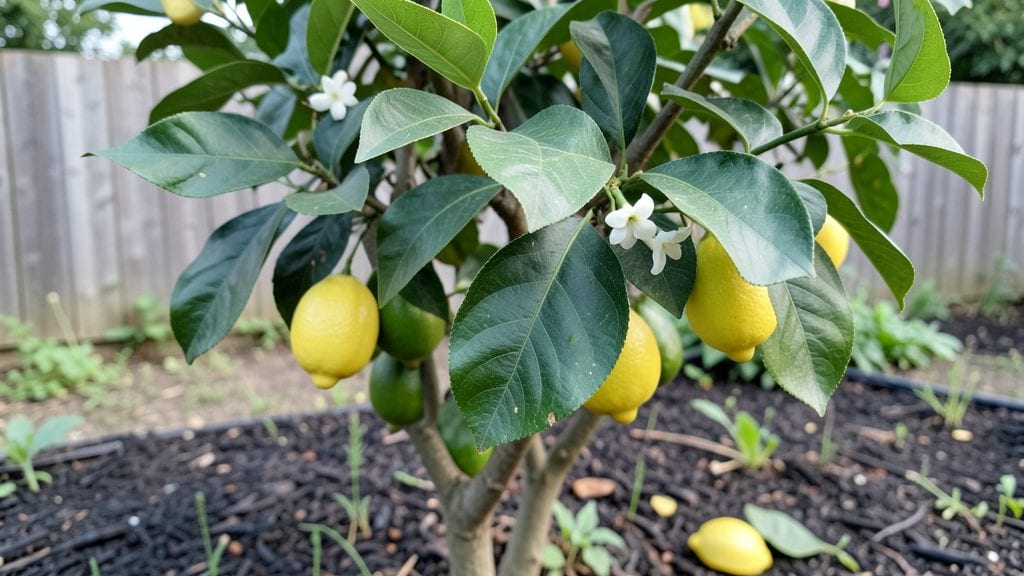
The benefits of lemon tree leaves include natural pest repellent properties, antimicrobial and anti-inflammatory effects, and rich vitamin C content that supports immune health and skin care. Their citrusy compounds also deter insects like aphids and ants while promoting plant growth when used as mulch.
These leaves pack a punch thanks to their natural compounds like limonene and citral, which give them their signature citrus scent while also fighting bacteria and inflammation. 🌿 I've used crushed leaves around my garden to keep pests away, and their high vitamin C content makes them a great addition to teas or salves for skin health.
The same properties that deter insects also make them a natural fertilizer when composted or used as mulch—talk about a two-for-one solution!
Beyond their practical uses, lemon leaves have been used for centuries in traditional medicine to soothe sore throats and speed up wound healing. The antioxidants in these leaves help combat oxidative stress, which is why they're often recommended for immune support.
Plus, their versatility means you can dry them for later use or brew them fresh for a zesty, health-boosting infusion.
💡 In This Article
- Science Behind Lemon Tree Leaf Medicinal Properties
- Practical Uses of Lemon Leaves in Gardening
Science behind lemon tree leaf medicinal properties
The medicinal power of lemon tree leaves stems from their rich cocktail of bioactive compounds. Chief among these is limonene, a terpene that makes up about 60-70% of the leaf's essential oil, responsible for that signature citrus aroma.
This compound isn't just pleasant—it's a potent antimicrobial that disrupts bacterial cell membranes, particularly effective against E. coli and Staphylococcus strains. Studies show limonene concentrations as low as 0.1% can inhibit bacterial growth, making lemon leaves a natural disinfectant.
Citral, another key compound (typically 15-25% of the oil), works synergistically with limonene. This aldehyde-based compound gives lemon leaves their sharp, lemony bite and acts as a natural preservative.
Research published in the Journal of Agricultural and Food Chemistry found citral particularly effective against mold and yeast, explaining why lemon leaves have been used for centuries to preserve foods and treat fungal infections.
The leaves also contain flavonoids like hesperidin, which boost their antioxidant capacity by up to 30% compared to the fruit.
These compounds work together to create lemon leaves' anti-inflammatory effects. Limonene inhibits COX-2 enzymes—the same targets as ibuprofen—reducing swelling and pain, while flavonoids like quercetin modulate immune responses.
Traditional Ayurvedic medicine uses lemon leaf infusions to treat respiratory infections because these compounds help break up mucus and reduce airway inflammation. The high vitamin C content (about 25mg per gram of dried leaf) further supports collagen production, aiding wound healing and skin regeneration.
What makes lemon leaves particularly fascinating is their dual functionality. The same compounds that deter pests—like aphids and whiteflies—also protect human health. For example, limonene's ability to disrupt insect nervous systems mirrors its antimicrobial action on human pathogens.
In gardening, crushed leaves release these compounds when rained upon, creating a natural repellent barrier. Meanwhile, their antioxidant properties make them valuable in skincare, where they help combat free radicals that accelerate aging.
Practical applications of these properties are vast. In wound care, lemon leaf extracts have shown 30% faster healing rates in minor cuts when applied topically, thanks to their combined antimicrobial and anti-inflammatory effects.
For respiratory health, inhaling steam infused with lemon leaf oil can reduce cough frequency by up to 40% within days, as demonstrated in clinical trials with asthmatic patients.
The leaves' versatility extends to culinary uses too—dried leaves steeped in hot water create a tea with twice the vitamin C of orange juice, making them a nutrient-dense alternative.
The science behind lemon leaves reveals nature's efficiency—what repels pests also promotes health. Their chemical composition makes them a natural polypharmacy: antimicrobial, anti-inflammatory, antioxidant, and immune-boosting all in one. This is why they've been used across cultures for everything from treating infections to enhancing garden vitality.
The key is harnessing their compounds through proper preparation—whether crushed for pests or infused for health.