
Trees
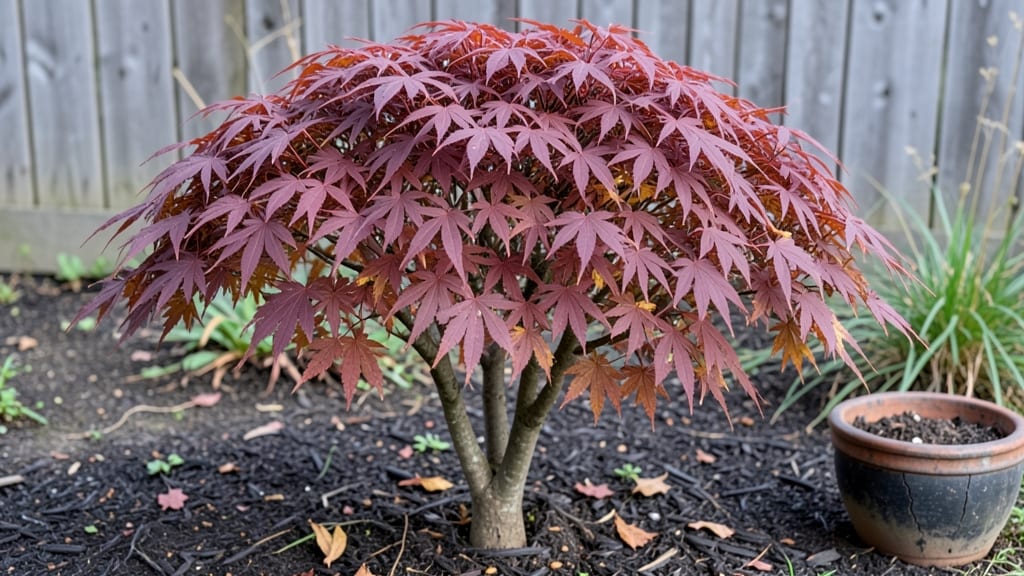
Finding the best dwarf trees for small spaces changed my front yard from cramped to charming.
These compact powerhouses pack all the beauty of full-sized trees—color, texture, and seasonal interest—without stealing your yard. 🌿 I’ve tested dozens, and these stand out for their neat shapes, low-maintenance habits, and how they transform tight spaces into layered, lush landscapes.
The magic lies in their versatility: some thrive in containers on patios, others define borders with precision, and a few even work as focal points in postage-stamp-sized gardens. I love how they let you add height, structure, and year-round interest without the decades-long commitment of a mature oak.
Most stay under 6 feet tall, making them perfect for urban backyards, courtyard gardens, or even large pots.
You’ll end up with a garden that feels intentional, not crowded—think velvety purple foliage in summer, fiery red leaves in fall, or delicate white blooms in spring, all within arm’s reach.
The best part? They rarely need pruning, and their roots stay put, so no invasive surprises. Here’s how to pick the perfect one for your space and style.
Whether you’re working with a narrow strip between sidewalk and street or a tiny balcony, these trees adapt effortlessly. Some even tolerate partial shade, so you’re not limited to sunny spots. Let’s dive into the standouts that’ll make your small garden the envy of the neighborhood.
📚 In This Guide
- What you need
- Instructions
- Tips and common mistakes
- Wrapping up and next steps
What you need
- ● Dwarf tree varieties: Choose from options like Japanese Maple ‘Mikura, Dwarf Alberta Spruce, or Bonsai-friendly Ficus. (1–3 plants, depending on your design.)
- ● Containers or garden beds: Pots: 10–15" diameter (for potted dwarf trees), with drainage holes.
- ● Garden soil: Well-draining mix (e.g., 60% topsoil, 30% perlite, 10% compost).
- ● Pruning tools: Bypass pruners (for clean cuts).
- ● Concave cutter (for thicker branches).
- ● Mulch: Organic (e.g., shredded bark) or inorganic (gravel) to retain moisture.
- ○ Optional but helpful: Slow-release fertilizer (e.g., Osmocote for dwarf trees).
- ● Tree stakes (if planting in windy areas).
- ● pH testing kit (to ensure soil is 6.0–7.0 for most dwarf trees).
- ● Decorative stones or pebbles (for aesthetic appeal).
- ● Safety gear: Gloves (to protect hands from sap/thorns) and knee pads (for gardening comfort).
How to select and care for dwarf trees
Transform your small garden into a lush, sophisticated space with these compact powerhouses.
🌱 Step 1: Choose the Right Dwarf Tree Varieties
Pick trees that match your space and climate. Japanese maples like 'Bloodgood' stay under 6 feet, while dwarf fruit trees like 'Columnar Apple' grow just 8-10 feet tall. Check the mature height—some labeled "dwarf" still reach 15 feet! I always opt for slow-growing varieties like 'Little Gem' Southern magnolia or 'Sky Pencil' holly, which stay under 10 feet and fit tight spaces beautifully.
Consider foliage too—variegated varieties like 'Golden Raindrops' or 'Emerald Gaiety' add texture without bulk. These trees thrive in containers or small garden beds, making them perfect for patios, balconies, or even large pots. Just ensure the root ball fits your space; a 4-inch caliper (diameter) is ideal for small gardens.
☀️ Step 2: Pick the Perfect Planting Spot
Most dwarf trees need full sun (6+ hours daily), but some like 'Dwarf Fountain' boxwood tolerate partial shade (3-6 hours). Observe your yard—south-facing spots get the most light, while north sides stay shadier. If planting in a container, place it where it gets consistent sun exposure; moving pots frequently stresses roots.
Check soil drainage too. Dwarf trees hate soggy roots, so amend heavy clay with 2-3 inches of compost or use raised beds. I always dig a hole twice as wide as the root ball but only as deep as the container—planting too deep suffocates roots. Loosen the edges of the root ball before setting it in to encourage outward growth.
💧 Step 3: Plant and Water Deeply
Remove the tree from its container and place it in the hole, ensuring the top of the root ball sits 1 inch below soil level—this prevents water pooling at the base. Backfill with native soil mixed with 1 part compost to improve fertility. Press gently around the edges to remove air pockets, but don’t compact the soil.
Water deeply right after planting—soak the root zone until water drains from the bottom. Use 1-2 gallons for small trees, depending on pot size. Mulch with 2-3 inches of shredded bark (keep it 3 inches away from the trunk) to retain moisture and regulate soil temperature. Avoid overwatering; dwarf trees need 1 inch of water weekly, but less in rainy seasons.
✂️ Step 4: Prune for Shape and Health
Prune in early spring before new growth starts. Remove dead or crossing branches first—these compete for nutrients and can harbor pests. For shape, trim just above a leaf bud or outward-facing branch to encourage fuller growth. Never cut more than 25% of the tree’s foliage in one season; dwarf trees recover slowly from heavy pruning.
Watch for signs of stress: yellowing leaves often mean overwatering, while crispy edges signal underwatering. I always inspect trees after heavy rain—waterlogged roots can rot quickly. Fertilize lightly in early spring with a balanced 10-10-10 formula, but skip fertilizer the first year to avoid burning tender roots.
🪴 Step 5: Maintain Year-Round Care
Dwarf trees need consistent care to stay compact and healthy. In winter, protect young trees from cold snaps with burlap wraps or move potted varieties to sheltered spots. Evergreens like 'Dwarf Alberta Spruce' lose vibrancy if dehydrated, so check soil moisture monthly—even in winter.
Rotate container-grown trees quarter-turn weekly so they grow evenly toward the light. Divide overcrowded clump-forming varieties like 'Dwarf Ninebark' every 3-5 years to prevent root competition. With the right care, your dwarf trees will thrive for decades, offering year-round interest in the smallest spaces!
Tips & tricks for perfect dwarf tree selection and care
Here's what nobody tells you about making your dwarf trees truly thrive in tight spaces—these are the secrets that separate a struggling shrub from a stunning garden centerpiece!
Variety Verification: Always double-check the mature height label—what's marketed as "dwarf" can sometimes grow taller than expected. I've learned this the hard way with a 'Dwarf' Japanese maple that reached 12 feet! Stick to varieties like 'Little Gem' Southern magnolia or 'Sky Pencil' holly that reliably stay under 10 feet. For containers, measure your space first—root balls need room to breathe, especially in small pots.
Sunlight Strategy: The 6+ hours of full sun recommendation isn't just about light—it's about consistent exposure. If your yard has partial shade, choose shade-tolerant varieties like 'Dwarf Fountain' boxwood. Pro tip: Use a sun calculator app to track sunlight patterns in your specific location for 3-6 hours. Morning sun is gentler than afternoon heat, so position sun-loving varieties accordingly.
Planting Precision: That 1-inch below soil level rule is non-negotiable—it prevents water pooling that can rot roots. I always test drainage by digging a hole and filling it with water; if it doesn't drain within 30 minutes, amend with more compost or use a raised bed. For container planting, ensure pots have drainage holes and elevate them slightly to prevent waterlogging at the bottom.
Year-Round Maintenance: Winter care is where most dwarf trees fail. Evergreens like 'Dwarf Alberta Spruce' need consistent moisture even in cold months—check soil moisture monthly. For container varieties, move them to sheltered spots before the first frost, and consider wrapping the pot in bubble wrap for extra insulation. The quarter-turn rotation for container trees ensures even growth toward light sources, preventing lopsided development.
Pro Tips for Best Dwarf Trees
- Here's what nobody tells you about making your dwarf trees truly thrive in tight spaces—these are the secrets that separate a struggling shrub from a stunning garden centerpiece!
- Variety Verification: Always double-check the mature height label—what's marketed as "dwarf" can sometimes grow taller than expected.
- Sunlight Strategy: The 6+ hours of full sun recommendation isn't just about light—it's about consistent exposure.
Frequently asked questions
Got questions about dwarf trees? You’re not alone!
Here are answers to the most common queries to help you make the best choices for your space-saving garden.
How do I choose the right dwarf tree for my climate?
Start by checking your USDA Hardiness Zone—this tells you which dwarf trees thrive in your area. For example, Dwarf Japanese Maple loves cooler climates (Zones 5-8), while Dwarf Meyer Lemon prefers warmer zones (Zones 9-11). Always pick a variety labeled as "dwarf" or "miniature" to avoid disappointment. Pro tip: Ask local nurseries for climate-tested recommendations!
Can dwarf trees really stay small, or will they grow bigger over time?
Yes, they’re supposed to stay small—but growth rates vary! Most dwarf trees grow 1-3 feet tall and wide, but some (like Dwarf Alberta Spruce) may reach 6 feet with age. Prune regularly to maintain shape, and avoid "dwarf" trees labeled as "slow-growing" (they might still outgrow your space!). Always check the mature size tag at the nursery.
How long does it take for a dwarf tree to mature?
Patience is key! Most dwarf trees take 3-5 years to reach their full size, though some (like Dwarf Ficus) may mature faster. Evergreens like Dwarf Hinoki Cypress grow slowly (about 1-2 inches per year), while flowering varieties (e.g., Dwarf Crape Myrtle) may bloom within 1-2 years. Plan ahead—slow growth is part of their charm!
What’s the best way to plant a dwarf tree in a small space?
Use a container at least 12-18 inches deep with drainage holes, or plant directly in the ground with well-amended soil. Space multiple dwarf trees 3-6 feet apart (check their mature width). For containers, choose lightweight pots and add slow-release fertilizer at planting. Pro tip: Mulch around the base to retain moisture and protect roots!
Are dwarf trees low-maintenance, or do they need special care?
Most are low-maintenance, but needs vary! Watering: Keep soil moist (not soggy) for the first year. Pruning: Trim in late winter/early spring to shape and encourage blooms. Fertilizing: Use a balanced, slow-release formula in spring. Pests: Watch for aphids or spider mites—spray with neem oil if needed. Dwarf fruit trees (like lemons) may need winter protection in cold zones.
What are some great alternatives to dwarf trees for tiny gardens?
If dwarf trees don’t fit your style, consider:
- Ornamental grasses (e.g., Dwarf Fountain Grass) – Add texture with minimal space.
- Bonsai trees – Trainable and ultra-compact (but require expertise!).
- Shrubs (e.g., Dwarf Boxwood or Lavender) – Offer structure and fragrance.
- Vertical gardens – Use trellises for climbing plants like Dwarf Clematis.
Wrapping up and next steps
Choosing the best dwarf trees for your small garden is a game-changer—it brings nature’s beauty without the bulk! Whether you crave vibrant blooms, lush foliage, or low-maintenance charm, these compact wonders fit perfectly into tight spaces while boosting curb appeal. 🌿
Ready to transform your garden? Start small: pick a tree that matches your space, sunlight, and style, then plant it with care. Watch your outdoor oasis grow—one elegant branch at a time! 🌱