
Pests
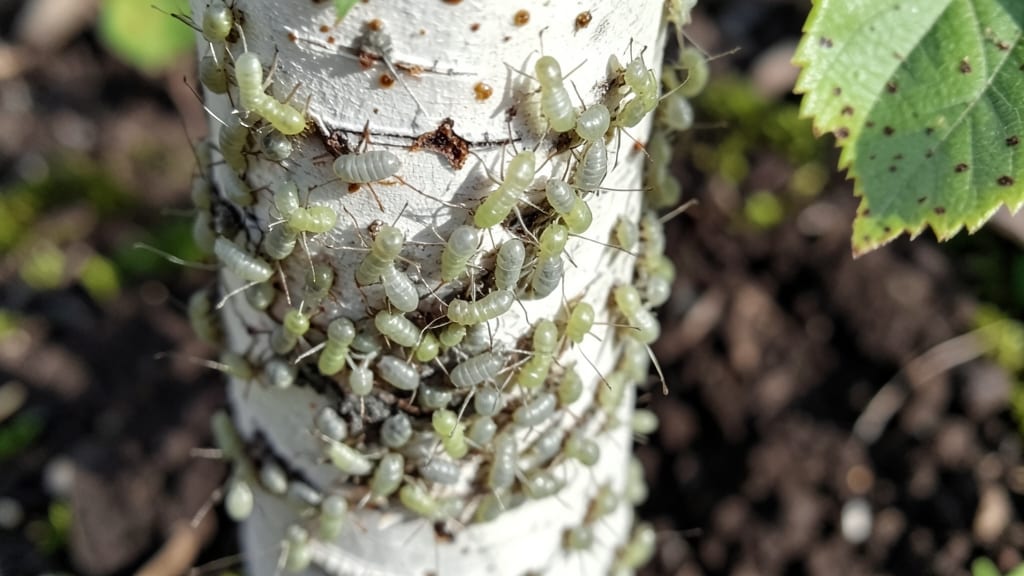
Birch trees covered in sticky aphids can look like they've been hit by sap-sucking invaders—and they have. 🌿 I’ve seen these tiny green pests turn vibrant bark into a sticky mess overnight, but the right spray stops them cold in just 24 hours, no harsh chemicals needed.
The secret isn’t some fancy store-bought potion—it’s a mix of neem oil, insecticidal soap, and water that smothers aphids on contact while being safe for your tree and the birds that visit. Most people wait too long, thinking the problem will fix itself, but aphids multiply fast.
A quick spray in the early morning cuts them off before they drain your birch of its energy.
You’ll notice the difference immediately: new growth stays crisp, leaves unfurl without curling, and that nasty honeydew residue disappears. The best part?
This spray works as a preventive treatment too—just apply it every 2-3 weeks during peak aphid season, and you’ll keep your birch thriving without a single sticky leaf in sight.
Whether you’re dealing with a full-blown infestation or just want to keep your birch healthy, this method works for young saplings and mature trees alike. Let’s get your birch back to its best—and keep those aphids from crashing the party again.
Root Causes Of Sap-Sucking Outbreaks
Birch trees are a magnet for sap-feeding insects like aphids, but why do these tiny pests target them so aggressively? The answer lies in a mix of environmental triggers, tree biology, and even human activity.
Understanding these causes helps you take precise action to break the cycle. Let’s break it down.
Healthy birch trees produce sticky resin and honeydew-resistant bark, making them less appealing to aphids. But when trees are stressed, their natural defenses weaken—like leaving the door unlocked for pests. Here’s what compromises their immunity:
- Nutrient Deficiency: Birches deprived of nitrogen, phosphorus, or potassium struggle to produce protective compounds. Test soil pH (ideal: 4.5–6.5) and amend with compost or slow-release fertilizer.
- Drought Stress: Even brief dry spells reduce sap flow, forcing trees to divert energy to survival instead of pest resistance. Mulch heavily (3–4 inches) and water deeply 1–2x/week during dry spells.
- Root Damage: Compacted soil or girdling roots (from lawnmowers or construction) starve the tree. Aerate soil annually and avoid trenching near the trunk.
- Fungal/Bacterial Infections: Diseases like birch leaf spot or canker create entry points for aphids. Prune infected branches in late winter and sterilize tools with rubbing alcohol.
💡 Pro Tip: Aphids often strike new growth first because tender shoots lack full protective coatings. Monitor spring flushes closely—they’re prime real estate for infestations.
Aphids aren’t picky eaters, but birch trees offer a high-calorie, low-risk meal. These factors turn your tree into an all-you-can-eat buffet:
| Factor | Why It Attracts Aphids | How to Disrupt It |
|---|---|---|
| 🍃 Tender New Leaves | Soft, nutrient-rich leaves are aphid catnip. They also can’t produce as much resin. | Apply kaolin clay (e.g., Surround WP) to young leaves to create a physical barrier. |
| 💧 High Humidity | Aphids thrive in 70–90% humidity—their bodies dry out below 60%. Birch canopies trap moisture. | Improve airflow with pruning (remove 20% of dense branches) and spacers if trees are planted too closely. |
| 🌡️ Warm Springs | Mild winters and early warmth trigger rapid aphid reproduction (females can birth 50+ nymphs/day without mating). | Monitor trees in March–April and apply neem oil or insecticidal soap at the first sign of clusters. |
✨ Key Insight: Aphids prefer birch over other trees because their sap is sweeter (higher sugar content). This makes them harder to deter—you’ll need a multi-pronged approach.
Aphids don’t just appear on birch trees—they strategically invade using these sneaky methods:
- 🐛 Ant “Farming”: Some ant species herd aphids like cattle, protecting them in exchange for honeydew. Disrupt this relationship by applying diatomaceous earth (food-grade) around the tree base or using ant bait stations with borax.
- 🌬️ Windborne Migration: Aphids hitch rides on wind currents or birds to new hosts. Prune nearby infested trees (e.g., willows, roses) to reduce “aphid hotspots.”
- 🥶 Overwintering Eggs: Many aphids lay dormant eggs on birch bark or buds, hatching when temps rise. Scrape off egg masses in late winter (Feb–March) with a plastic scraper or high-pressure water spray.
- 🌱 Root Grafting: Birch trees often share roots with other trees (like maples or oaks), allowing aphids to spread underground. Isolate heavily infested trees by creating a 3-foot-wide bare soil ring around the base.
🔥 Critical Action: If you see ants tending aphids or black sooty mold (a fungus fed by honeydew) on leaves, act immediately. These are red flags for a chronic infestation.
Next up: How to break the aphid cycle fast with science-backed sprays that work in 24 hours.
Natural Ways to Stop Tree Pests Fast
Now that you know why those tiny sap-suckers are invading your birch trees, it’s time to kick them to the curb—without harsh chemicals. Here’s a practical, step-by-step guide to treating and preventing aphid infestations, tailored to the root cause of your problem.
Aphids excrete honeydew, which attracts sooty mold and weakens your tree. Clean it up first before tackling the pests.
🍳 Scrub Away the Mess (Safe & Effective)
- Mix a soapy solution: Combine 1 gallon of warm water with 1 tablespoon of mild dish soap (like Castile soap) or 1 tablespoon of horticultural oil.
- Spray or wipe leaves: Use a soft cloth, sponge, or spray bottle to gently remove honeydew from leaves and branches. Avoid scrubbing too hard—birch leaves are delicate!
- Rinse with clean water: Follow up with a light hose spray to wash away residue.
✨ Pro Tip: Do this on a cool, cloudy day to prevent leaf burn from soap or oil.
If your tree is black with aphids, you’ll need a stronger (but still natural) approach.
🥘 DIY Sprays That Work in 24 Hours
| Solution | How to Use | Best For |
|---|---|---|
| Neem Oil Spray | Mix 1 tbsp neem oil + 1 tsp mild soap + 1 quart water. Spray directly on aphids (avoid flowers if bees are around). Repeat every 3–5 days. | Heavy infestations, organic gardens |
| Insecticidal Soap | Use pre-mixed soap spray (like Safer® Brand). Spray until fully wet, focusing on undersides of leaves. Reapply after rain. | Fast knockdown, gentle on trees |
| Garlic & Chili Pepper Spray | Blend 4 garlic cloves + 1 tbsp cayenne pepper + 1 quart water. Strain and spray. Reapply every 2–3 days. | Repels aphids, deters future pests |
💡 Pro Tip: Spray early in the morning or late evening to avoid harming bees and other beneficial insects.
Ants farm aphids for honeydew—so breaking this cycle is key.
🔪 Disrupt the Ant-Aphid Relationship
- Set out ant baits: Use borax or diatomaceous earth bait stations (like Terro Liquid Ant Baits) away from your trees to lure ants away.
- Create a barrier: Spread diatomaceous earth (food-grade) around the base of the tree to block ant trails.
- Prune ant highways: Trim vines or branches that connect your birch to nearby ant nests.
✨ Pro Tip: Aphids hate strong air currents—consider a small fan on low speed near the tree for 10–15 minutes daily to disrupt their feeding.
Once you’ve banished the aphids, lock them out with these habits:
- 🌿 Encourage natural predators: Ladybugs, lacewings, and birds love eating aphids. Plant dill, fennel, or marigolds nearby to attract them. - 💦 Water wisely: Aphids thrive in dry, dusty conditions.
Water trees deeply at the base (not overhead) to keep leaves clean and pests away. - 🌱 Keep trees healthy: Fertilize in early spring with compost or balanced organic fertilizer (like 10-10-10) to boost resilience. - 🍃 Monitor regularly: Check leaf undersides weekly (aphids love hiding there).
Early action = no full-blown infestation.
Final Reminder: Patience is key—some sprays take 3–5 days to fully work. If aphids return, rotate your methods to avoid resistance. Happy treekeeping! 🌳💚
Frequently asked questions
What do birch tree aphids look like, and how can I tell if my tree has them?
Birch tree aphids are tiny, usually green, yellow, or black, and cluster on the undersides of leaves or along new growth. Look for sticky honeydew residue on leaves or branches—this is their waste and a dead giveaway. If you see curled leaves or black sooty mold (a fungus fed by honeydew), aphids are almost certainly present.
Can I use store-bought insecticides on birch trees, or should I stick to natural remedies?
While chemical insecticides like pyrethrin-based sprays can kill aphids quickly, they may harm beneficial insects and can be harsh on delicate birch leaves. Natural remedies like neem oil or insecticidal soap are safer, just as effective, and won’t disrupt your tree’s ecosystem. Always test sprays on a small area first to check for sensitivity.
Why do aphids keep coming back even after I treat my birch tree?
If aphids return, they’re likely hitching rides on wind currents, birds, or nearby infested plants. Eggs laid on bark or buds can also hatch later. To break the cycle, treat early in spring (March–April), prune affected branches, and encourage natural predators like ladybugs or lacewings by planting dill or marigolds nearby.
Is it safe to use neem oil on birch trees, or will it damage the leaves?
Neem oil is safe for birch trees when used correctly—just mix it with 1 teaspoon of mild soap per quart of water to help it stick. Avoid spraying in direct sunlight or hot weather, as it can cause minor leaf burn. Always apply in the early morning or evening for best results and minimal risk.
How can I prevent aphids from spreading to other trees in my yard?
Isolate infested birch trees by pruning branches that touch other plants and removing fallen leaves (where aphids hide). Use diatomaceous earth around the base to block ants (which "farm" aphids) and space trees at least 10 feet apart to improve airflow. Regularly inspect nearby trees for early signs of infestation.