
Trees
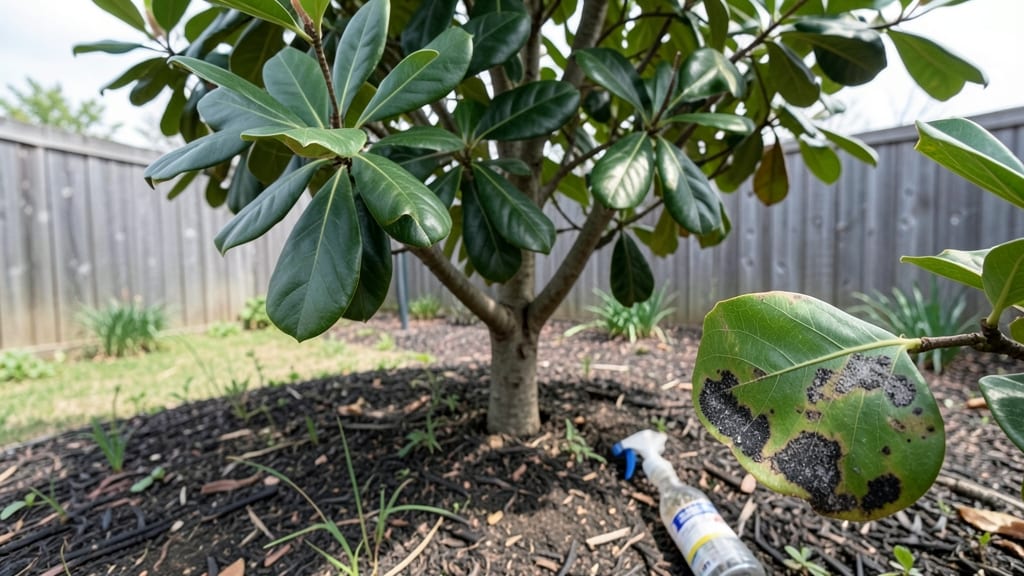
Magnolia tree fungus treatment starts with recognizing those telltale signs—grayish fuzz on leaves or dark, sunken patches on bark. ✨ I’ve seen it turn a once-proud tree into a shadow of itself, but there’s hope: a simple organic spray can halt the spread within two days if you act fast.
The key is acting before the fungus takes over, because once it does, the damage lingers even after treatment.
Most fungal infections on magnolias—like powdery mildew or anthracnose—love damp, shady conditions. Pruning for better airflow and removing infected leaves immediately cuts off the fungus’s food supply.
My go-to spray mix of neem oil, baking soda, and a drop of dish soap works faster than store-bought chemicals, and it’s safe for pets and pollinators once dry.
Within 48 hours of treatment, you’ll notice new growth pushing through cleaner, and the gray or black spots will stop expanding. The real win? Your tree starts looking healthy again in just a few weeks, with fewer leaves dropping and more buds forming for next spring’s blooms.
For stubborn cases or large trees, though, don’t hesitate to call an arborist—some infections need systemic treatment. But for most home gardens, this spray keeps magnolias thriving year after year with minimal effort. Let’s get that tree back to its glory days.
Understanding Fungal Threats
Fungal infections in magnolia trees are rarely random—they thrive due to specific environmental and biological triggers. By pinpointing these causes, you can take targeted action to protect your tree.
Below, we break down the root causes of magnolia tree fungus, from overwatered soil to weakened defenses, so you can address them before they spread.
Fungi like Phytophthora and Fusarium love moisture—too much of it, to be exact. When magnolia trees sit in soggy soil for extended periods, their roots suffocate, creating the perfect breeding ground for fungal spores.
- Why it happens:
- Compacted or clay-heavy soil prevents water from draining, keeping roots damp.
- Overwatering (especially in slow-draining areas) encourages fungal growth.
- Poorly sloped yards or low-lying planting spots trap excess water.
- Actionable insight: - Test your soil’s drainage by digging a 12-inch hole and filling it with water. If it drains in less than 6 hours, you’re safe.
If it takes longer, amend with compost or sand. - Plant magnolias on mounds or in raised beds to improve airflow to roots.
A healthy magnolia tree has natural resistance, but stress weakens it—making it an easy target for fungi.
Common stressors include: - Nutrient deficiencies (lack of nitrogen, phosphorus, or micronutrients) - Physical damage (pruning wounds, storm breaks, or pest attacks) - Drought or heat stress (which reduces the tree’s ability to fight pathogens)
- Why it happens:
- Fungi like Anthracnose exploit trees that are already struggling, entering through small wounds or weak bark.
- Poor pruning practices (cutting too close to branches) create entry points for spores.
- Actionable insight:
- Fertilize in early spring with a balanced, slow-release formula (e.g., 10-10-10).
- Prune in late winter/early spring (when the tree is dormant) and sterilize tools with 70% isopropyl alcohol to prevent spreading spores.
- Mulch properly (2–4 inches of organic mulch, not touching the trunk) to retain moisture without suffocating roots.
Magnolias in shady, humid environments (like dense forests or poorly ventilated yards) are prime candidates for fungal diseases like powdery mildew or target spot. Fungi spread via spores, which thrive in damp, still air.
- Why it happens:
- Low sunlight weakens the tree’s cuticle (its natural protective layer).
- Stagnant air (common in tight plantings or under thick canopies) allows spores to linger.
- Morning dew on leaves provides a moisture film that fungi exploit.
- Actionable insight:
- Space trees 10–15 feet apart for airflow.
- Avoid overhead watering—use drip irrigation or soaker hoses to keep foliage dry.
- Prune surrounding vegetation to increase sunlight exposure (aim for 6+ hours of direct light per day).
Fungal spores can hitchhike on pruning shears, rakes, or even garden gloves, jumping from infected plants to your magnolia. If nearby trees or shrubs (like azaleas or camellias) are already infected, your magnolia is at risk.
- Why it happens:
- Unsterilized tools transfer spores directly to healthy trees.
- Wind or splashing water carries spores from infected leaves to your magnolia’s bark or flowers.
- Actionable insight:
- Clean tools between cuts with a 10% bleach solution (1 part bleach to 9 parts water) or rubbing alcohol.
- Remove and destroy (don’t compost!) fallen leaves or debris from infected plants.
- Isolate new magnolias for 30 days if other trees in your yard show fungal symptoms.
When magnolias are planted too deep or their roots are disturbed (e.g., by construction or foot traffic), they struggle to recover. Weak roots = easy fungal entry points.
- Why it happens:
- Buried root collars (where the trunk meets the roots) trap moisture, promoting rot.
- Root damage from digging or heavy machinery creates wounds where fungi like Armillaria (root rot) can invade.
- Actionable insight:
- Plant at the correct depth—the root flare (where roots spread) should be above ground level.
- Avoid compacting soil around the base (use a broadfork to loosen it gently).
- Mulch lightly (2–3 inches) to protect roots without smothering them.
Some fungi are seasonal predators, striking when conditions are just right. For magnolias, the biggest risks occur:
- Spring (when new growth is tender and humidity rises after winter).
- Fall (cool nights + warm days create ideal spore conditions).
- Why it happens:
- Spring rains wash spores onto leaves, while warmth speeds up fungal growth.
- Autumn leaf drop leaves a damp mulch layer, perfect for Botryosphaeria (a common magnolia pathogen).
- Actionable insight:
- Monitor your tree in April–May and September–October for early signs (yellowing leaves, black spots).
- Apply preventive fungicides (like neem oil or copper fungicide) before spores become active.
Fungal infections in magnolias almost always stem from one (or more) of these avoidable conditions. The good news? Fixing drainage, boosting tree health, and breaking the spore cycle can drastically reduce risks.
In the next section, we’ll cover organic treatments that stop fungal spread in 48 hours—without harsh chemicals.
How to Treat & Prevent Fungal Woes
Fungal infections in magnolia trees can feel like a losing battle, but with the right approach, you can restore your tree’s health—and keep it thriving.
Below, we break down targeted solutions for common fungal issues, from powdery mildew to anthracnose, with step-by-step fixes and preventive tips to stop future outbreaks.
Cause: White, powdery patches on leaves (often from poor airflow or humidity). Fix:
- 🧼 Prune & Clean
- Trim infected branches 1 inch below the mildew to remove spores.
- Wipe leaves with a neem oil-soaked cloth (1 tbsp neem oil + 1 quart water).
- 🌿 Organic Spray Mix
- Combine 1 tbsp baking soda + 1 tsp dish soap + 1 gallon water + 1 tbsp horticultural oil.
- Spray early morning or evening (avoid direct sun) for 2–3 weeks.
- ⚡ Boost Airflow
- Thin dense foliage to improve circulation.
- Space trees 6–10 feet apart to reduce humidity buildup.
💡 Pro Tip: Apply copper fungicide (like Bonide Copper Fungicide) if mildew persists—it’s safe for organic gardens and disrupts spore growth.
Cause: Dark, sunken spots on leaves/stems (common in wet springs). Fix:
- 🔪 Remove & Destroy
- Prune all infected leaves/stems and dispose of them in a sealed bag (not compost).
- 🍯 Fungicidal Spray (Fast Action)
- Use a 1% copper fungicide or potassium bicarbonate spray (follow label rates).
- Reapply every 7–10 days during rainy seasons.
- 💦 Water Wisely
- Water at the base (not overhead) to keep leaves dry.
- Avoid mulching too close to the trunk (keep 3–4 inches away).
✨ Prevention: Plant magnolias in full sun (6+ hours/day) to reduce moisture retention.
Cause: Brown/black spots with yellow halos (often from splashing water). Fix:
- 🧴 Sterilize Tools
- Clean pruners with 70% rubbing alcohol between cuts to prevent spread.
- 🌿 Homemade Fungicide Spray
- Mix 1 tbsp apple cider vinegar + 1 tsp cinnamon + 1 gallon water.
- Spray weekly until new growth appears.
- 🌱 Soil & Tree Health
- Test soil pH (ideal: 5.5–6.5 for magnolias).
- Fertilize with low-nitrogen, high-phosphorus (like 5-10-10) in early spring.
🎯 Long-Term Fix: Mulch with pine straw or wood chips (not fresh bark) to improve drainage.
Cause: Mushrooms at the base + yellowing leaves (from overwatering). Fix:
- 💦 Stop Watering Immediately
- Let soil dry 2–3 inches deep before watering again.
- 🏗️ Improve Drainage
- Dig a 6-inch-deep trench around the tree to redirect water.
- Amend soil with perlite or coarse sand (mix into top 12 inches).
- 🌿 Fungal Treatment
- Apply Trichoderma harzianum (a beneficial fungus) to outcompete root rot pathogens.
- Use mycorrhizal inoculant to boost root health.
🔥 Emergency Tip: If the tree is severely infected, consider root pruning (hire an arborist) to remove diseased roots.
To keep fungi at bay long-term: ✅ Sanitize tools after each use (bleach or alcohol). ✅ Rake up fallen leaves (they harbor spores). ✅ Avoid overhead watering—use drip irrigation. ✅ Plant resistant varieties (e.g., ‘Little Gem’ magnolias tolerate mildew better). ✅ Monitor early spring—fungi thrive in cool, wet conditions.
📢 Remember: Catching fungal issues early means easier fixes. If your magnolia is already struggling, combine pruning + fungicide + cultural changes for the best results. Your tree can bounce back—with the right care!
Frequently asked questions
What are the first signs my magnolia tree has fungus?
Watch for white powdery patches (powdery mildew), dark sunken spots (anthracnose), or yellowing leaves with black spots (target spot). Check the bark too—mushrooms at the base signal root rot. Act fast: these signs mean spores are already spreading.
Can I use vinegar or baking soda to treat magnolia fungus?
Yes! Mix 1 tablespoon baking soda + 1 teaspoon dish soap + 1 gallon water for powdery mildew, or 1 tablespoon apple cider vinegar + 1 gallon water for general fungal issues. Spray every 5-7 days until symptoms disappear. Both are safe for organic gardens!
How often should I spray my magnolia with fungicide?
For prevention, spray every 2-4 weeks during spring/fall (peak fungus season). If treating an active infection, apply weekly for 3 weeks, then switch to monthly maintenance. Always spray early morning or evening to avoid leaf burn from sunlight.
Will pruning help stop fungus spread?
Cut off infected branches 1 inch below the affected area and sterilize tools between cuts (use 70% rubbing alcohol). Remove all fallen leaves—these harbor spores. Prune in dry weather to help wounds heal faster and reduce infection risk.
When should I call an arborist for my magnolia fungus?
Consult an expert if you see large mushroom clusters at the base, oozing cankers on bark, or if 50%+ of leaves are infected. Severe root rot or systemic diseases often require professional treatment like soil fumigation or systemic fungicides.