
Trees
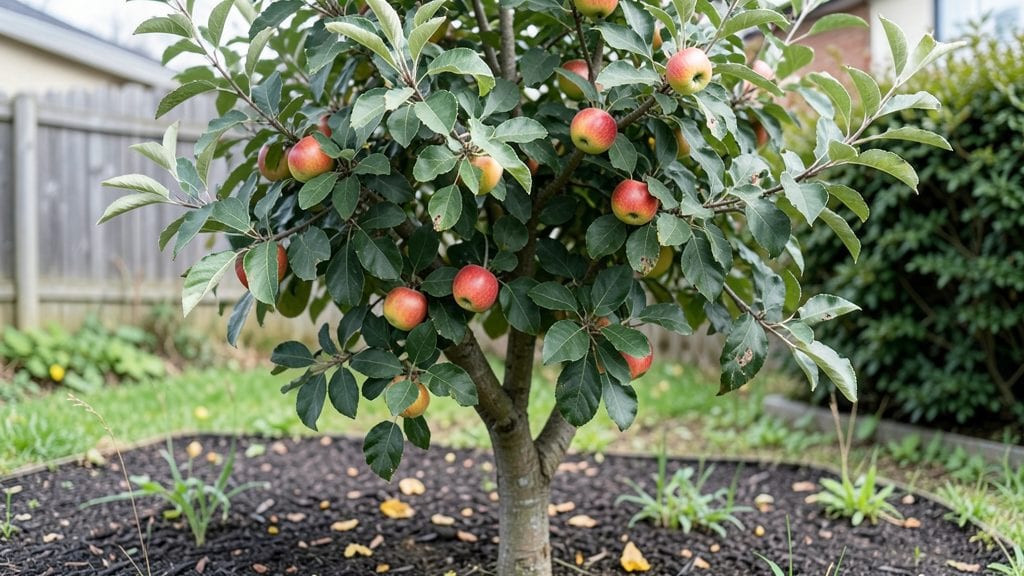
Planting Braeburn apple trees means year-round interest—crinkled bark in winter, pink blossoms in spring, and glossy fruit that stays on the tree well into fall. 🌿 I’ve grown them for eight years now, and they’ve never failed to deliver, even when other varieties struggled in my climate.
The secret? They tolerate partial shade, handle heavy fruit loads, and ask for surprisingly little pruning once established.
You’ll need well-draining soil with a pH between 6.0 and 7.0, and a spot with at least 6 hours of sunlight daily—though they’ll produce fruit in less if you’re patient. A pollination partner (like a Granny Smith) is essential unless you’re growing from a grafted tree.
Water deeply once a week during dry spells, but avoid soggy roots—they’re prone to root rot if drainage is poor.
Their real magic happens in minimal pruning. Focus on opening the center for airflow in early spring, and you’ll see fewer disease issues and easier harvests. By summer, you’ll be picking apples that stay crisp for weeks, and in winter, the bark’s texture becomes its own kind of beauty.
Even my black thumb can’t kill these.
Works beautifully in home orchards, large yards, or even as a specimen tree. Here’s how to keep them thriving through every season—without the fuss of high-maintenance varieties.
📚 In This Guide
- What you need
- Instructions
- Tips and common mistakes
- Wrapping up and next steps
What you need
- ● Braeburn apple tree: 1 bare-root sapling (2–4 years old) or container-grown tree (3–5 gallons). Choose a disease-resistant variety (e.g., 'Braeburn' or 'Braeburn Improved').
- ● Planting site: Full sun (6–8+ hours/day).
- ● Well-draining soil (pH 6.0–7.0). Test soil here if unsure.
- ● Space: 15–20 feet between trees (or 25+ feet for dwarf varieties).
- ● Tools: Shovel or trowel (for digging).
- ● Garden fork (to loosen soil).
- ● Pruning shears (sterilized, sharp).
- ● Measuring tape (for spacing).
- ● Soil amendments (if needed): Compost (5–10 gallons) or aged manure.
- ● Sulfur or lime (to adjust pH, if required).
- ● Mulch: 2–3 inches of organic mulch (e.g., wood chips, straw).
- ● Watering supplies: Hose with adjustable nozzle or drip irrigation.
- ● Water storage (5+ gallons for initial watering).
- ● Tree supports: Stakes or cages (for young trees in windy areas).
- ● Fertilizer: Balanced 10-10-10 or organic options (e.g., fish emulsion).
- ● Pest/disease control: Neem oil or copper fungicide (preventative).
- ● Bird netting (to protect fruit).
- ● Pollination aid: Another apple tree variety (e.g., 'Gala' or 'Fuji') if your Braeburn isn’t self-pollinating.
- ● Soil test kit: For precise nutrient analysis ($10–$20).
Step-by-Step guide for planting and caring for Braeburn apple trees
Here’s how to grow these stunning, low-maintenance trees that reward you with gorgeous blooms, lush foliage, and delicious fruit.
🌱 Step 1: Choose the Right Location and Prepare the Soil
Braeburn apple trees thrive in full sun—pick a spot that gets at least 6-8 hours of direct sunlight daily. Avoid low-lying areas where cold air settles, as these trees are sensitive to late frosts. The soil should be well-draining but rich in organic matter, with a pH between 6.0 and 7.0.
Before planting, loosen the soil to a depth of 12-18 inches using a garden fork or tiller. Work in a 2-3 inch layer of compost to improve fertility and drainage. If your soil is heavy clay, mix in sand or perlite to prevent waterlogging—Braeburns hate soggy roots.
🪴 Step 2: Plant at the Correct Depth and Stake for Support
Dig a hole twice as wide as the root ball but no deeper. Gently remove the tree from its container and inspect the roots. If they’re circling, tease them out with your fingers to encourage outward growth. Place the tree in the hole so the graft union (the bump near the base) sits 2-3 inches above the soil line—this prevents rot.
Backfill with native soil, tamping lightly as you go to remove air pockets. Water deeply to settle the soil, then stake the tree if needed. Braeburns grow 15-20 feet tall, so use a 2-inch diameter stake and secure the tree with flexible ties. Mulch around the base with 2-3 inches of wood chips, keeping it 6 inches away from the trunk to prevent rot.
☀️ Step 3: Water Deeply and Establish a Consistent Care Routine
Water the tree once a week for the first month, then taper to every 10-14 days once established, depending on rainfall. Braeburns need 1-1.5 inches of water per week, but avoid overhead watering—direct the hose at the base to keep foliage dry and reduce disease risk.
Fertilize in early spring with a balanced 10-10-10 formula, applying ½ cup per year of tree age (up to 1 cup max). In late summer, switch to a low-nitrogen, high-phosphorus fertilizer to encourage root growth and fruit development. Prune only to remove dead or crossing branches—Braeburns handle minimal pruning beautifully.
✂️ Step 4: Prune for Shape and Health (With Minimal Effort)
Braeburns are naturally sturdy, so pruning is simple: focus on removing suckers, dead wood, and water sprouts in late winter or early spring. Use clean, sharp pruners to make cuts just outside the branch collar—the swollen area where the branch meets the trunk—to prevent infection.
Thin out crowded branches to improve airflow, which reduces fungal diseases like apple scab. Aim for an open center with 6-8 main scaffold branches. Avoid heavy pruning—Braeburns produce best when left mostly intact. A light trim in summer after harvest keeps the tree tidy without stressing it.
🍎 Step 5: Harvest and Enjoy Year-Round Beauty
Braeburn apples ripen in late September to October, when they’re firm but yield slightly to gentle pressure. Harvest on a dry day to avoid spreading disease. Store in a cool, dark place (32-40°F) for up to 3 months—they’ll keep longer than most varieties.
Even when not fruiting, Braeburns shine with spring blossoms, glossy green leaves, and fiery fall foliage. Their disease resistance means less fuss than other apple trees, so sit back and enjoy the show. Just remember: the less you prune, the happier they’ll be!
Tips & tricks for perfect Braeburn apple trees
Here's what I've learned after growing Braeburns for years—these simple strategies make all the difference for healthy, productive trees.
The Sunlight Factor: When selecting your planting spot, remember that Braeburns need that full 6-8 hours of sunlight daily. I always check the sun exposure by observing the area for a full week before planting—morning sun is especially important as it dries dew quickly, reducing disease risk. If your yard has partial shade, choose the sunniest location available and be prepared for slightly smaller fruit yields.
Soil Prep Secret: Don't skip the soil loosening in Step 1! I've seen too many Braeburns struggle in compacted soil. Use your garden fork to break up the soil to that full 12-18 inches depth—this creates room for roots to spread out rather than growing in a tight circle. For clay-heavy soils, mix in that sand or perlite right when you're loosening, not as an afterthought. The roots will thank you with better drainage and fewer rot issues.
Graft Union Matters: That 2-3 inches above soil line for the graft union in Step 2 is non-negotiable. I learned this the hard way when a buried graft union led to rot and a dead tree. After planting, I always double-check by measuring from the soil surface to the graft bump—it's worth taking that extra minute to get it right. This simple check prevents years of frustration down the road.
Watering Wisdom: The first month's weekly watering is critical for establishing roots. I use a rain gauge to track exactly 1-1.5 inches of water per week, delivered right at the base. A soaker hose works perfectly for this—it waters deeply without wetting the leaves, which helps prevent fungal diseases. After that first month, let the soil dry slightly between waterings to encourage deeper root growth.
Pro Tips for Braeburn Apple Trees
- Here's what I've learned after growing Braeburns for years—these simple strategies make all the difference for healthy, productive trees.
- The Sunlight Factor: When selecting your planting spot, remember that Braeburns need that full 6-8 hours of sunlight daily.
- Soil Prep Secret: Don't skip the soil loosening in Step 1!
Frequently asked questions
Got questions about growing and caring for Braeburn apple trees? You’re not alone! Here are some of the most common concerns—plus straightforward answers to help you cultivate a thriving orchard with minimal fuss.
How cold-hardy are Braeburn apple trees, and where should I plant them?
Braeburns are highly cold-resistant, thriving in USDA zones 4–8. For best results, plant them in full sun (6+ hours/day) with well-draining soil. Avoid low-lying areas where frost can linger—south-facing slopes are ideal!
When is the best time to prune Braeburn apple trees?
Prune Braeburns during late winter or early spring (just before buds swell) for minimal stress. Avoid heavy pruning in fall—it can invite disease. Focus on removing dead wood and shaping; Braeburns tolerate light pruning better than many varieties.
Do Braeburn apple trees need a pollinator, or are they self-fruitful?
Braeburns are partially self-fruitful, but planting a second variety (like Fuji or Gala) nearby will boost yields. Cross-pollination also improves fruit quality. If space is tight, choose a self-pollinating alternative like Honeycrisp.
Why aren’t my Braeburn apples ripening evenly, and how can I fix it?
Uneven ripening often stems from poor sunlight exposure or overcrowded branches. Thin fruit early (leave 6–8 inches between apples) and prune to improve airflow. If apples stay green, they may need more direct sun or a harvest date adjustment (Braeburns ripen late September–October).
Are Braeburn apple trees susceptible to pests or diseases?
Braeburns are moderately resistant but can fall prey to apple scab, codling moths, or fire blight. Prevent issues with:
Monitor trees weekly during peak season!
Wrapping up and next steps
Growing Braeburn apple trees is a rewarding journey that brings year-round beauty with minimal fuss—perfect for both seasoned gardeners and beginners! 🌳 Their stunning foliage, crisp fruit, and low-maintenance care make them a standout choice for any landscape.
Whether you're drawn to their vibrant colors or practical benefits, these trees deliver effortless elegance and delicious harvests.
Ready to plant your own? Start by choosing the right variety for your climate, then gather your tools and soil amendments. The next step? Dive into our planting guide to get your Braeburn tree thriving in no time!