
Diseases
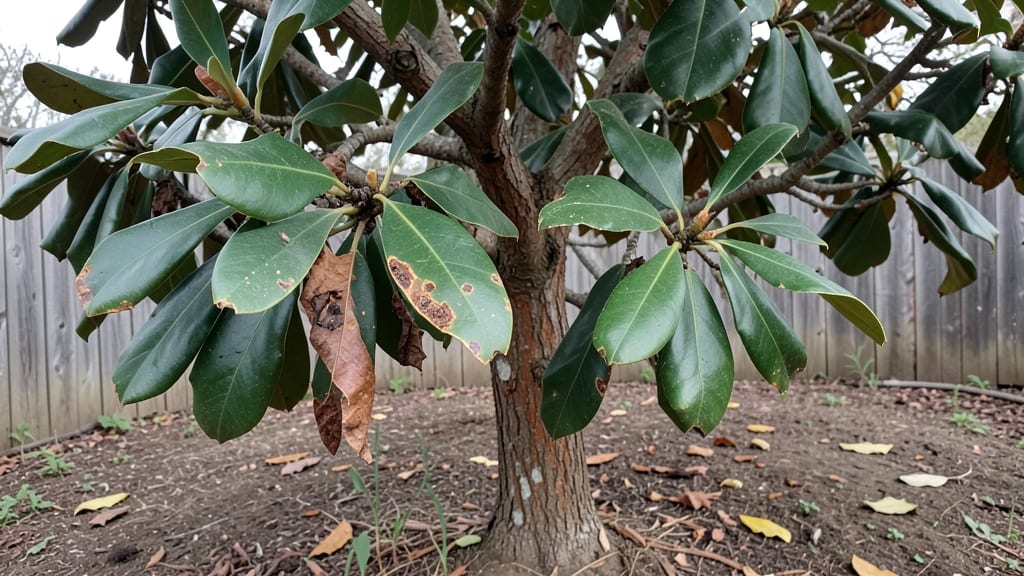
Brown magnolia tree diseases like fungal infections or bacterial blight can turn your tree’s lush leaves into a sad, crispy mess—but early action saves the day. 🌿 The key is spotting the right kind of browning: is it dry and papery, or slimy and blackened?
Most browning starts with fungal spores hiding in last year’s leaves or wet bark crevices. Magnolias hate soggy roots too—overwatering or poor drainage turns leaves yellowish-brown before the real damage sets in.
I’ve had to prune back entire branches when I ignored the early signs, but with the right mix of fungicides, proper watering, and mulch, you can turn things around.
You’ll learn to distinguish between treatable diseases and irreversible stress, plus how to apply organic sprays (like neem oil) or targeted fungicides without harming the tree. The goal? Keeping those glossy, deep-green leaves lush and healthy for years. Let’s get your magnolia back to its showstopping self.
Works for both young trees and mature giants—just adjust the treatment scale. The sooner you act, the better the comeback. Here’s how to diagnose and fix it before it’s too late.
Root Causes Behind Leaf Discoloration
When your once-vibrant magnolia tree starts developing brown patches, it’s rarely a random act of nature—it’s usually a response to specific stressors or pathogens. Understanding these triggers is the first step in restoring your tree’s health.
Below, we break down the most common reasons why magnolia trees turn brown, backed by science and actionable insights.
Magnolias are resilient, but extreme or sudden environmental shifts can push them beyond their limits. Here’s how climate and weather play a role:
- Heat and Drought
Magnolias thrive in well-drained, moist soil, and prolonged dry spells or scorching temperatures can cause leaf scorch. When roots struggle to absorb water, leaves lose turgor pressure, leading to crispy, brown edges. Young leaves are especially vulnerable because they transpire rapidly while their root systems are still developing.
Pro tip: 💡 Mulch heavily (3–4 inches deep) with organic matter like wood chips to retain moisture and regulate soil temperature.
- Cold Damage
Frost-sensitive magnolias (like Magnolia grandiflora) can suffer from winter burn when temperatures drop below 20°F (-6°C). The damage often appears as brown, papery patches on leaves, especially on the upper canopy where cold air collects.
This isn’t always fatal—new growth may emerge in spring—but severe cases can weaken the tree long-term.
Pro tip: 🌡️ Protect young trees with burlap wraps or anti-desiccant sprays (like Wilt-Pruf) before the first hard frost.
- Wind and Salt Exposure
Coastal magnolias or trees near roads treated with de-icing salt may develop brown tips or speckling due to osmotic stress. Salt draws moisture out of leaves, while wind desiccates them by increasing transpiration rates. Over time, this leads to chlorosis (yellowing) followed by browning.
Pro tip: ✨ If your tree is near a salty environment, flush the soil annually with fresh water to leach out accumulated salts.
Pathogens are the #1 culprit behind brown magnolia leaves, often masquerading as environmental issues. Here’s how to spot them:
| Disease | Symptoms | Cause |
|---|---|---|
| Magnolia Leaf Scorch (fungal) | Brown, V-shaped or irregular patches between leaf veins; often starts at the edges. | Caused by Cercospora or Gloeosporium fungi, thriving in wet, humid conditions (e.g., spring rains). |
| Anthracnose (fungal) | Dark, sunken lesions with yellow halos; leaves may drop prematurely. | Spread by splashing water or infected pruning tools. Common in shady, poorly ventilated areas. |
| Bacterial Leaf Spot | Small, water-soaked brown spots with yellow margins; often oozes bacterial slime. | Bacteria like Xanthomonas multiply in warm, wet weather and through contaminated tools. |
| Root Rot (fungal) | Generalized browning, wilting, and leaf drop; roots appear mushy and dark. | Fungi like Phytophthora thrive in waterlogged soil, suffocating roots. |
Pro tip: 🔥 Prevent fungal spread by:
- Pruning only when leaves are dry and sterilizing tools with 70% isopropyl alcohol.
- Avoiding overhead irrigation; use drip systems instead.
- Improving airflow with proper spacing between trees.
Magnolias are heavy feeders, and soil imbalances can manifest as brown leaves—often mistaken for disease. Here’s what’s missing (or too much):
- Nitrogen Deficiency
Brown, crispy edges on older leaves (a sign of protein breakdown) often indicate nitrogen starvation. Since nitrogen fuels leaf growth, a deficiency causes leaves to senesce prematurely.
Fix it: Apply a balanced fertilizer (e.g., 10-10-10) in early spring. Compost or fish emulsion can also boost organic nitrogen.
- Iron or Magnesium Chlorosis
Yellowing between veins (interveinal chlorosis) that progresses to brown is classic for iron deficiency (common in alkaline soils) or magnesium deficiency. Magnesium is crucial for chlorophyll production, and its lack leads to necrotic spots.
Fix it: 💪
- For iron: Apply chelated iron (e.g., Ironite) or sulfur to acidify soil.
- For magnesium: Use Epsom salt (1 tbsp per gallon of water) as a foliar spray.
- Compacted or Waterlogged Soil
Poor drainage restricts root oxygen, leading to anaerobic stress. Roots suffocate, and the tree can’t absorb nutrients, causing browning. Compacted soil also limits root expansion, exacerbating drought stress.
Fix it: ✨ Aerate the soil with a garden fork or plant deep-rooted cover crops (like clover) to loosen it.
By pinpointing the exact cause—whether environmental, fungal, or nutritional—you can target treatments effectively. Next up: How to diagnose these issues before they spread.
Reviving Your Magnolia’s Health
When your brown magnolia tree shows signs of distress, quick action can make all the difference. Below are practical, step-by-step solutions tailored to the most common causes of browning—whether it’s fungal infections, pest damage, or environmental stress. Each fix includes prevention tips to keep your tree thriving long-term.
Fungi thrive in damp, shaded conditions, turning leaves brown and causing defoliation. Here’s how to fight back:
🔥 Remove Infected Areas
- Prune browned or spotted leaves immediately using sterilized pruners (wipe with rubbing alcohol between cuts).
- Dispose of debris in a sealed trash bag—do not compost infected plant material.
🍳 Apply Fungicide
- For powdery mildew or anthracnose: Use a copper-based fungicide (like Copper Soap) or a neem oil solution (1 tbsp neem oil + 1 tsp mild soap per quart of water).
Spray early in the morning on a dry, wind-free day to avoid fungal spread. - For root rot: If the soil is waterlogged, improve drainage by amending with sand or compost and avoid overwatering.
🌡️ Boost Air Circulation & Sunlight
- Thin out dense branches to improve airflow.
- Trim nearby overgrown plants that block sunlight.
- Water at the base (avoid wetting leaves) to reduce humidity around the foliage.
💡 Pro Tip: Prevent recurrence by mulching with pine straw (not wood chips) to keep the base dry and acidic—fungi hate this combo!
Pests suck sap, causing leaves to yellow, brown, and drop. Here’s how to evict them:
👨🍳 Blast Off Pests with Insecticidal Soap
- Mix 1.5 tbsp mild castile soap + 1 quart water in a spray bottle.
- Spray thoroughly (top and bottom of leaves) every 5–7 days until pests vanish.
- For stubborn infestations, use horticultural oil (apply in late winter/early spring before buds swell).
🔪 Prune & Dispose of Heavy Infestations
- If branches are heavily coated in scale, cut them off and burn or bag them (don’t leave them in the yard).
- Seal pruning wounds with pruning sealant to prevent secondary infections.
🐞 Encourage Natural Predators
- Ladybugs and lacewings love munching on spider mites. Buy them online or attract them with native flowering plants.
- Birds help too—install a birdhouse to welcome insect-eating species.
✨ Prevention: Inspect trees monthly, especially after rain (pests are most active then). Avoid over-fertilizing with nitrogen—it attracts soft-bodied pests like aphids.
Brown leaves can signal underwatering, overwatering, or nutrient deficiencies. Adjust care to revive your tree:
💧 Water Deeply but Less Often
- Drought stress? Water deeply 1–2 times per week (1–2 inches per session).
- Overwatering? Let the top 2–3 inches of soil dry out before watering again. Avoid soggy roots—they suffocate roots.
- Mulch properly: Apply 2–4 inches of mulch (keep it 6 inches away from the trunk) to retain moisture and regulate soil temp.
🌱 Feed with the Right Nutrients
- Test soil pH (magnolias prefer acidic soil, pH 5.0–6.0).
If too alkaline, amend with sulfur or peat moss. - Fertilize in early spring with a slow-release, acidic fertilizer (look for iron, zinc, and manganese—common deficiencies in magnolias). - Avoid high-nitrogen fertilizers (they burn roots and attract pests).
🌿 Protect from Harsh Conditions
- Young trees? Shade cloth can help during intense heatwaves.
- Mature trees? Prune lower branches to improve airflow and reduce heat stress on the canopy.
🎯 Quick Fix: Foliar spray with seaweed extract (rich in growth hormones) can revitalize stressed trees in 2–3 weeks.
If your magnolia shows:
- Large cankers (sunken, oozing wounds) → Possible bacterial or fungal trunk disease (needs professional treatment).
- Sudden wilting + brown stems → Root rot or vascular disease (may require soil replacement or systemic fungicide injection).
🔥 Remember: Early action is key! The sooner you treat browning issues, the faster your magnolia will bounce back. Monitor regularly, adjust care as needed, and your tree will reward you with lush, vibrant foliage for years.
Frequently asked questions
Why do magnolia leaves turn brown in patches instead of all at once?
Patchy browning usually signals a fungal infection like leaf scorch or anthracnose, which spreads gradually as spores multiply. Unlike environmental stress (which affects leaves uniformly), fungi target weak spots first, creating irregular brown patches between veins. Check for V-shaped discoloration or yellow halos around lesions.
Can I save my magnolia if the bark is already peeling and brown?
Peeling bark alone isn’t fatal, but if it’s accompanied by oozing cankers or mushy roots, you’re dealing with advanced disease. Prune dead branches immediately and apply a copper fungicide to prevent spread. For severe cases, consult an arborist—some trunk diseases require professional injections of systemic fungicides.
How often should I spray neem oil to prevent fungal diseases?
Apply neem oil every 2–3 weeks during spring and fall (peak fungal activity seasons). Mix 1 tablespoon neem oil + 1 teaspoon mild soap per quart of water, and spray early morning on dry leaves. Stop sprays 2 weeks before expected frost to avoid burning new growth.
Will pruning brown leaves help my magnolia recover faster?
Yes! Pruning removes fungal spores and improves airflow, which speeds recovery. Cut back only browned or spotted leaves (never healthy green ones), and sterilize tools with 70% rubbing alcohol between cuts. Dispose of pruned debris in a sealed bag—never compost infected material.
Is it safe to use homemade remedies like baking soda spray?
Baking soda can help mild fungal issues (like powdery mildew) as a 1-teaspoon baking soda + 1-quart water + 1 drop dish soap spray, but it’s not a cure-all. For stubborn diseases, use copper fungicides or neem oil instead. Always test remedies on a small leaf first to avoid chemical burns.