
Diseases
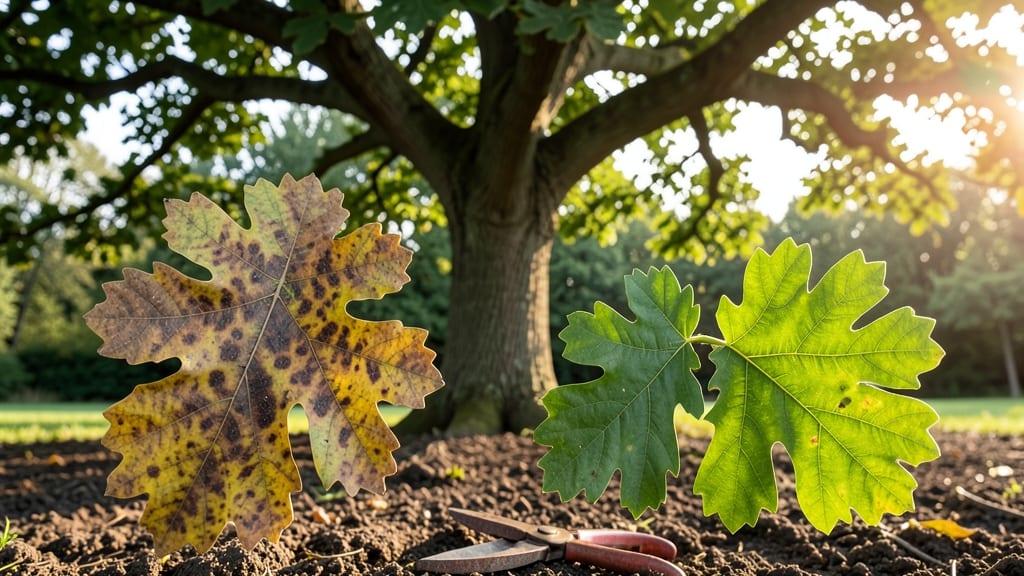
Brown spots on tree leaves can turn a lush canopy into a sad, spotted mess—fast. 🌿 I’ve seen anthracnose, fungal infections, and even sunburn mimic each other until you know what to look for. The good news? Most cases have simple fixes if you catch them early.
These spots aren’t always the same. Some are powdery, others ooze sap, and a few just look like dead patches. Fungal diseases like anthracnose love wet leaves, while environmental stress (think drought or too much sun) creates crispy edges.
Pests like mites or beetles? They leave tiny holes or webbing too. The key is spotting the pattern—size, shape, and where they appear.
You’ll learn to tell the difference between treatable issues and red flags for professional help. Organic sprays, pruning, and even adjusting watering can save your tree.
By the end, you’ll know exactly what’s wrong and how to stop it before it spreads. Let’s get that foliage back to full, healthy green.
Whether it’s a young maple or a mature oak, the same principles apply. Some fixes take days, others weeks—but early action is everything. Here’s how to diagnose and fix it for good.
Understanding Leaf Spot Triggers
Brown spots on tree leaves aren’t just an eyesore—they’re often a sign of stress, infection, or environmental damage. Before reaching for fungicides or panicking, it’s critical to pinpoint the root cause.
Below, we break down the most common reasons your tree’s leaves are developing unsightly (and often unhealthy) brown patches, complete with actionable insights to help you diagnose the issue accurately.
Fungi are the #1 culprit behind brown spots on leaves, thriving in warm, humid conditions. These microscopic organisms invade leaf tissue, disrupting nutrient flow and causing discoloration. Here’s how to spot them:
- Signs: Spots may start small (pinpoint-sized) and expand with concentric rings, yellow halos, or powdery/moldy textures. Some fungi, like Cercospora or Septoria, leave spots with black or gray centers.
- Why it happens:
- Fungal spores land on leaves during rain, wind, or overhead watering and germinate in moisture-rich environments (think: 70%+ humidity).
- Weakened trees (due to nutrient deficiencies, drought, or poor pruning) are prime targets.
- Some fungi, like Anthracnose, attack new growth first, causing leaf edges to brown and curl.
- Actionable tip: 💡 Collect a few spotted leaves in a ziplock bag and take them to a local cooperative extension office for a free diagnosis. This ensures you’re treating the right fungus (not all respond to the same fungicide!).
Not all brown spots are caused by pathogens—sometimes, your tree is simply overwhelmed by its surroundings. Environmental factors can lead to necrotic (dead) tissue without any fungal or bacterial involvement.
| Cause | How It Happens | Leaf Clues |
|---|---|---|
| Sun Scorch | Intense afternoon sun (especially after winter dormancy) can burn leaf edges, causing crispy, brown patches. Young trees or those recovering from transplant shock are most vulnerable. | Spots appear on south- or west-facing sides of leaves; tissue may feel dry and papery. |
| Wind Damage | Strong winds abrade leaf surfaces, creating scrape marks that turn brown. This is common in open landscapes or after storms. | Brown streaks or irregular patches along leaf edges; no yellowing or fungal growth. |
| Cold or Heat Stress | Sudden temperature shifts (e.g., late spring frosts or heatwaves) can cause cellular damage, leading to brown, water-soaked spots. | Spots may appear suddenly on older leaves; tissue may wilt or drop quickly. |
Pro tip: ✨ If environmental stress is the issue, mulch around the tree’s base (2–4 inches deep) to regulate soil temperature and reduce water evaporation. For sun scorch, consider light shade cloth during peak heat.
Unlike fungi, bacteria don’t just invade leaves—they multiply rapidly within plant tissues, often in water-filled spots. These infections are less common but highly destructive if ignored.
- Signs:
- Spots are greasy or water-soaked at first, then turn brown to black with raised edges.
- Leaves may drop prematurely, and oozing sap or bacterial slime can appear in severe cases.
- Common in wet climates or after heavy rain.
- Why it happens:
- Bacteria like Xanthomonas or Pseudomonas enter through wounds (e.g., from pruning, hail, or insect bites) or natural openings (stomata).
- Overhead irrigation or splashing water spreads bacteria from soil or infected leaves.
- Trees under nutritional stress (e.g., iron or nitrogen deficiency) are more susceptible.
- Actionable tip: 🔥 Prune infected branches immediately (sterilize tools with 70% rubbing alcohol between cuts) and remove fallen leaves to prevent spread. Avoid overhead watering—use drip irrigation instead. For severe cases, copper-based bactericides (like Copper Sulfate) can help.
Not all brown spots are from pathogens—some are a direct result of insect activity. Pests like mites, aphids, and leaf miners feed on leaf tissue, leaving behind brown, dead patches as they go.
| Pest | Damage Type | What to Look For |
|---|---|---|
| Spider Mites | Pierce cells to suck out sap, causing stippling (tiny brown dots) and webbing. | Fine webbing on leaf undersides; spots enlarge over time. |
| Leaf Miners | Larvae tunnel inside leaves, creating blotchy brown trails. | Wavy, brown lines within leaf tissue; frass (insect waste) visible. |
| Aphids or Scale Insects | Sap-sucking leads to yellowing followed by brown, curled leaves. | Sticky residue (honeydew) on leaves; black sooty mold may grow on honeydew. |
Pro tip: 🌡️ For mites, blast leaves with
Quick Fixes for Leaf Spots
Brown or discolored spots on tree leaves can be frustrating, but the good news is that most issues are treatable—especially if you catch them early! The right approach depends on the root cause, whether it’s fungal, bacterial, environmental, or pest-related.
Below, we’ve mapped out practical, step-by-step solutions for each common culprit, plus prevention tips to keep your trees healthy long-term.
Fungi like anthracnose, powdery mildew, or leaf spot diseases thrive in damp conditions. Here’s how to tackle them:
🔥 Remove Infected Leaves Immediately
- Why? Fungal spores spread like wildfire—literally. Removing affected leaves cuts off the infection cycle.
- How? Use sterilized pruners (wipe with rubbing alcohol) to snip off spotted leaves.
Drop them into a sealed plastic bag (not your compost bin—spores can survive!). - Pro Tip: 💡 If the tree is heavily infected, consider raking up fallen leaves and disposing of them properly.
🍳 Apply Fungicide (Organic or Chemical)
- For mild cases: Mix 1 tsp baking soda + 1 quart water + a few drops of dish soap (as a spreader-sticker).
Spray early morning or evening to avoid burning leaves. - For severe infections: Use a copper-based fungicide (like Bordeaux mixture) or a neem oil solution (1 tbsp neem oil + 1 quart water + ½ tsp soap).
Reapply every 7–14 days until new growth appears. - Prevention: 🌡️ Water at the base (not overhead) and prune for airflow to reduce humidity around leaves.
⏰ Monitor & Repeat
- Fungi often reappear if conditions (like rain or shade) stay ideal. Reapply fungicide preventatively during rainy seasons or if you notice new spots.
Spots from pests like aphids, mites, or scale insects are usually paired with sticky residue (honeydew) or chewed edges. Here’s how to evict them:
👨🍳 Blast Off Pests with Water
- For aphids/mites: Use a strong hose spray (5–10 psi) to knock them off leaves.
Do this early morning so they don’t return quickly. - For scale insects: Scrape them off with a soft brush dipped in soapy water (1 tsp mild soap per gallon of water).
🔪 Introduce Natural Predators
- Ladybugs, lacewings, or birds love eating pests.
Buy them online or attract them with native plants like dill or marigolds. - Neem oil spray (2 tbsp neem oil + 1 tsp soap per gallon of water) disrupts their life cycle. Reapply every 5–7 days.
🎯 Prevent Future Infestations
- Prune thick branches to improve sunlight and airflow.
- Avoid over-fertilizing (soft new growth attracts pests).
- Use reflective mulch (like aluminum foil around the trunk) to deter crawling insects.
If spots look dry, crispy, or bleached (not mushy or oily), your tree might be sunburned or thirsty.
💧 Hydrate Deeply & Consistently
- Water slowly at the base (1–2 inches per week, depending on soil). Use a soaker hose to avoid wetting leaves.
- Mulch heavily (2–4 inches of wood chips or straw) to retain moisture and regulate soil temperature.
🌿 Provide Shade Relief
- If new growth is scorched, temporarily shade young trees with burlap or shade cloth (30–50% coverage).
- Avoid pruning in late summer—it stresses trees before winter.
🌱 Boost Tree Health
- Fertilize lightly in early spring with a balanced, slow-release fertilizer (like 10-10-10).
- Test soil pH—most trees prefer 6.0–7.0. Adjust with lime (to raise pH) or sulfur (to lower it).
Yellow-brown spots with blackened edges? You might’ve overdone it with fertilizer, herbicide drift, or salt buildup.
🚰 Flush the Soil
- Water deeply (1–2 inches) to leach out excess salts or chemicals.
- Add compost (2–3 inches) to improve soil structure and dilute toxins.
🛡️ Protect from Future Exposure
- Read labels carefully—some herbicides (like glyphosate) can drift and harm trees.
- Avoid winter salt near tree roots (use sand or calcium magnesium acetate instead).
- Use organic fertilizers (like fish emulsion or worm castings) to reduce burn risk.
Stop brown spots before they start with these easy maintenance habits: ✅ Prune regularly – Remove dead/diseased branches to improve airflow. ✅ Clean up fallen leaves – Bag and dispose of debris before it molds. ✅ Water wisely – Early morning is best; avoid evening watering (promotes fungus). ✅ Inspect monthly – Check undersides of leaves for early signs of pests or disease. ✅ Strengthen trees – Mulch, fertilize (sparingly), and avoid compacting soil around roots.
Remember: Most leaf spot issues are manageable—the key is speed and consistency. Start with the fixes above, then monitor your tree’s progress. If problems persist after 4–6 weeks, consult a local arborist for a deeper diagnosis. 🌳✨
Frequently asked questions about tree leaf spots
Why do some brown spots have yellow halos while others don't?
Yellow halos typically indicate fungal infections like anthracnose or Septoria leaf spot. The yellowing occurs as the fungus disrupts chlorophyll production around the infected area. Spots without halos are often from environmental stress (like sun scorch) or bacterial infections, where the damage is more localized. Check for concentric rings or powdery textures to confirm fungal activity.
Can I use the same treatment for all types of leaf spots?
No—treatments vary by cause. Fungal spots need copper fungicides or neem oil, while environmental spots require adjusting watering or providing shade. Pests like mites respond to soapy water sprays or horticultural oil. Always identify the root cause first to avoid wasting time (or money) on the wrong fix.
How long does it take to see improvement after treating spots?
With proper treatment, you may see new growth in 2–4 weeks. Fungal infections often respond fastest to copper-based sprays, while environmental damage (like sun scorch) can take 4–6 weeks to recover. Patience is key—keep monitoring and reapplying treatments as needed.
Is it safe to compost leaves with brown spots?
Never compost infected leaves! Fungal spores survive decomposition and can reinfect your garden. Bag and dispose of them in yard waste instead. For environmental spots (like wind damage), composting is safe once the leaves are fully dry and free of pests.
When should I call an arborist instead of DIYing?
Consult a professional if: 50%+ of leaves are affected, spots spread rapidly despite treatment, or you see oozing sap (bacterial infection). Also seek help if your tree is young, valuable, or a rare species. Early intervention prevents permanent damage.