
Pests and Diseases
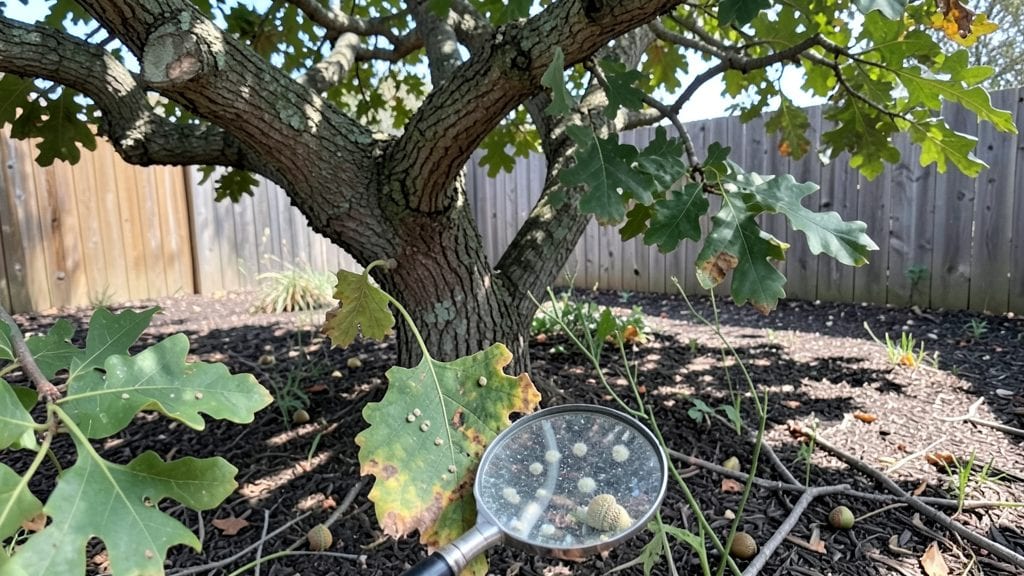
Seeing those strange bumps on your oak tree leaves can turn a peaceful afternoon into a gardening mystery. 🌿 I’ve spent years tracking down what causes these odd growths—from tiny gall wasps to fungal surprises—and I’m sharing exactly how to tell them apart and what to do next.
The culprits often arrive uninvited: gall wasps create those marble-sized bumps, while fungal infections might leave fuzzy spots or discolored patches. Environmental stress can also trigger weird leaf reactions, especially after droughts or sudden temperature swings. The key is spotting the difference early.
You’ll learn to prune infected branches at the right time, encourage natural predators like birds and parasitic wasps, and use targeted treatments when needed. Most importantly, I’ll show you how to prevent future outbreaks so your oak stays healthy and strong.
Whether you’re dealing with a single branch or your whole tree looks like a bumpy puzzle, this guide gives you clear steps to restore those leaves to smooth, vibrant green. Let’s get your oak back to its best.
Understanding Leaf Bumps Causes
When you spot bumps on oak tree leaves, it’s often a sign that something is interacting with your tree—whether it’s a tiny pest, a fungal infection, or even environmental stress. Below, we break down the most common reasons these irregularities appear, so you can identify the issue and take action.
Oak trees are a buffet for many insects, and some leave behind bumps as a calling card. Here’s what’s likely munching—or laying eggs—on your leaves:
🐛🌿 Gall Formations from Mites & Wasps
Galls are abnormal growths caused by insects like oak leaf galls (from Andricus wasps) or erineum mites. These pests inject hormones into the leaf tissue, triggering the tree to produce swollen, bump-like structures to "house" the intruder.
- Wasps: Female wasps lay eggs in leaf tissue, and the tree’s response creates hard, rounded galls. These are usually harmless but can weaken the tree if severe.
- Mites: Tiny mites like Eriophyid species cause fuzzy, blister-like bumps (often called "oak leaf blisters"). These are more common in spring and summer.
🐛🍃 Leafminers & Webbing Pests
Some insects burrow into leaves, creating raised tunnels or webbing that looks like bumps.
- Leafminers (like Phyllonorycter moth larvae) tunnel between leaf layers, leaving behind silvery, serpentine trails.
- Spider mites or tent caterpillars may create webbing that makes leaves look puckered or distorted.
🐛🌱 Scale Insects & Mealybugs
These sap-sucking pests attach to leaves and stems, secreting a waxy coating that can look like small, raised bumps. Heavy infestations can cause yellowing and leaf drop.
Not all bumps are caused by pests—some are the result of pathogens that alter leaf structure.
🍄🌿 Anthracnose & Leaf Spot Fungi
Fungal diseases like anthracnose (Apiognomonia veneta) create sunken, blister-like spots or raised bumps on leaves. These often appear in wet conditions and can spread quickly.
- Symptoms: Dark, irregular spots with yellow halos, sometimes with a velvety texture.
- Action: Prune infected leaves and improve airflow around the tree.
🍄🍃 Bacterial Leaf Curl
Some bacteria, like Pseudomonas syringae, cause leaves to curl and develop raised, warty bumps. This is more common in young, stressed trees.
🍄🌱 Powdery Mildew & Rust
While powdery mildew usually appears as a white coating, some strains can cause thickened, puckered leaf surfaces with bumps. Rust fungi (like Cronartium quercuum) may create orange pustules that look like small blisters.
Sometimes, bumps aren’t caused by pests or diseases—but by external factors that stress the tree.
🌡️🌿 Extreme Heat or Cold Damage
Sudden temperature shifts (like late frost or heatwaves) can cause leaf curling and bump-like deformities, especially in young oak leaves. This is often temporary but can weaken the tree if repeated.
🌱💧 Water Stress & Poor Drainage
Overwatering or compacted soil can lead to root stress, which may manifest as raised, corky bumps on leaves (a defense mechanism). Underwatering can also cause leaf edges to thicken abnormally.
🌱⚗️ Chemical Burns or Fertilizer Shock
Excessive fertilizer (especially high nitrogen) or herbicide drift can cause leaf distortion and bumpy growth. Always follow application rates and avoid spraying when leaves are wet.
Now that you know the likely culprits, the next step is identifying the exact issue and choosing the right treatment. Most problems are manageable with early intervention!
How to solve it
Once you’ve identified the cause of those pesky bumps on your oak tree leaves—whether it’s mites, galls, fungus, or environmental stress—it’s time to take action. The good news? Most issues can be resolved with targeted, eco-friendly solutions.
Below, we’ve mapped out practical fixes for each common cause, along with prevention tips to keep your oak tree thriving long-term.
If tiny webs or speckled leaves signal mites, act fast before they spread.
🔥 Step 1: Blast Them Off with Water
Mites hate moisture—give your tree a strong spray with a hose (not scorching hot) to dislodge them.
Focus on the undersides of leaves, where they love to hide. Pro tip: Do this early in the morning so leaves dry quickly, reducing fungal risks. 🌞
🍳 Step 2: Apply Neem Oil Spray
Mix 1 tbsp neem oil + 1 tsp mild soap + 1 quart water in a spray bottle. Shake well and coat the leaves thoroughly.
Neem oil smothers mites and disrupts their life cycle. Warning: Test on a small branch first—some trees are sensitive! 🌿
👨🍳 Step 3: Introduce Beneficial Predators
Ladybugs and lacewings devour mites like a buffet. Buy them online or attract them with dill or fennel plants nearby. 🐞➡️💥
⏰ Prevention Checklist:
- Water deeply 2–3 times weekly (mites thrive in dry conditions).
- Prune crowded branches to improve airflow.
- Avoid over-fertilizing—nitrogen-heavy soil attracts pests.
Galls (those weird bumps caused by wasps or bacteria) are usually harmless but unsightly. Here’s how to manage them:
🔪 Step 1: Prune Infected Branches
Use sterilized pruners to cut off heavily galled branches before the wasps emerge (usually spring). Seal cuts with pruning sealant to prevent disease. ⚠️ Wear gloves—some galls release irritating sap!
🌡️ Step 2: Boost Tree Health
Healthy trees resist galls better. Fertilize with a balanced, slow-release formula (like 10-10-10) in early spring. Pro tip: Mulch around the base with wood chips to retain moisture and deter wasps. 🌍
🎯 Prevention Tips:
- Monitor for early signs (tiny red bumps = wasp eggs).
- Avoid overwatering—soggy soil attracts gall-causing insects.
- Encourage natural predators like birds (install a birdhouse nearby!).
If bumps are powdery, black, or slimy, a fungus is likely the culprit. Act quickly to stop the spread.
💡 Step 1: Remove Infected Leaves
Rake up and dispose of fallen leaves in a sealed bag (do not compost). Fungal spores overwinter in debris! Pro tip: Disinfect your rake with rubbing alcohol between uses. 🧼
🌿 Step 2: Apply Copper Fungicide
Mix copper fungicide (like Bordeaux mixture) according to package instructions. Spray evenly on both leaf sides and the trunk.
Copper prevents spore germination. Alternative: Baking soda spray (1 tsp baking soda + 1 quart water + a drop of soap) works for mild cases.
✨ Prevention Strategies:
- Space trees properly (oaks need 30+ feet between them for airflow).
- Water at the base (avoid wetting leaves—fungi love damp foliage).
- Avoid wounding the tree (use sharp tools for pruning to prevent entry points).
If bumps are non-pest/disease-related (like edema or sun scald), tweak your tree’s environment.
💧 Step 1: Check Watering Habits
Overwatering or drought stress causes bumps. Oak trees prefer:
- Deep watering 1–2 times per week (let soil dry between sessions).
- Well-draining soil (amend clay soil with compost).
🌞 Step 2: Shield from Harsh Sun
If leaves are scorched or bumpy, provide afternoon shade with a light cloth shade cover (30–50% block). Quick fix: Plant sun-loving companions (like daylilies) nearby to break wind/sun.
🌿 Step 3: Feed the Roots
Apply a slow-release fertilizer (like osmocote) in early spring to support recovery.
If bumps spread rapidly, leaves yellow or drop, or you spot sawdust-like frass (sign of borers), contact an arborist. Some issues (like oak wilt fungus) require professional treatment.
Final Reminder: Consistency is key! Check your oak tree weekly during growing seasons, and act at the first sign of trouble. With the right care, your tree will bounce back—and those bumps will be a thing of the past! 🌳💚
Frequently asked questions
Are bumps on oak leaves always caused by pests?
Not at all! While pests like gall wasps and mites are common culprits, bumps can also result from fungal infections (like anthracnose), bacterial leaf curl, or even environmental stress such as extreme heat, drought, or chemical burns. Always check for additional symptoms like discoloration or webbing to narrow down the cause.
How do I tell if oak leaf bumps are from wasps or mites?
Wasps create hard, marble-like galls (often round or elongated) that feel firm to the touch, while mites produce fuzzy, blister-like bumps that may look like tiny pockets of cotton. Check the leaf undersides for tiny red eggs (wasps) or webbing (mites). Wasps usually appear in spring, while mites thrive in dry, hot conditions.
Can I safely prune branches with bumpy leaves?
Yes, but use sterilized pruners and remove infected branches before pests emerge (typically in early spring). Seal cuts with pruning sealant to prevent disease entry. For severe infestations, dispose of pruned leaves in a sealed bag—not your compost—to avoid spreading spores or eggs.
Will neem oil harm my oak tree if I use it for mites?
Neem oil is generally safe for oak trees when used correctly, but always test it on a small branch first. Dilute it properly (1 tbsp neem oil + 1 tsp mild soap + 1 quart water) and apply in the early morning. Avoid spraying during hot weather or when rain is expected, as this can stress the tree.
Are bumps on oak leaves always a sign of a serious problem?
Not necessarily! Many bumps, like those caused by gall wasps, are mostly cosmetic and don’t harm the tree’s health. However, if you notice yellowing leaves, excessive leaf drop, or bumps spreading rapidly, it’s time to investigate further. Healthy trees with only minor bumps usually recover with proper care.