
How To
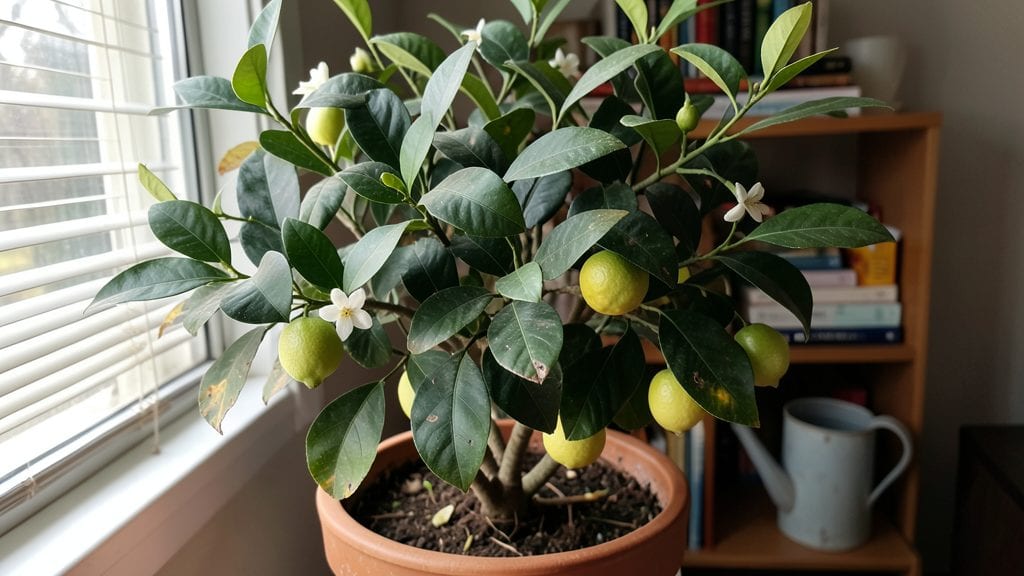
Growing a lemon tree indoors is absolutely possible with the right dwarf variety, proper lighting, and attentive care, allowing you to enjoy homegrown fruit in 3-5 years from a sunny windowsill or grow lights.
Indoor citrus cultivation has become surprisingly popular, and dwarf lemon trees are perfect for this—especially varieties like the Meyer lemon, which is cold-hardier and more forgiving than traditional types. 🌿 The key lies in mimicking their natural Mediterranean climate: bright, indirect light for at least 6-8 hours daily (south-facing windows work best) and maintaining temperatures between 60-75°F.
I've seen firsthand how even a 15-watt LED grow light can extend the growing season when natural light fades in winter, preventing that dreaded leaf drop.
Humidity also plays a crucial role; a pebble tray with water or occasional misting helps combat dry indoor air, which can stress the tree and reduce fruit production.
💡 In This Article
- Best Indoor Lemon Tree Varieties for Fruit Production
- Indoor Lemon Tree Lighting and Temperature Requirements
Best indoor lemon tree varieties for fruit production
The Meyer lemon stands out as the top choice for indoor growers because of its adaptability and fruit production. This hybrid variety thrives in cooler conditions than traditional lemons, tolerating temperatures as low as 25°F—a significant advantage for indoor environments where temperature fluctuations occur.
The fruit itself is sweeter and larger than standard lemons, measuring about 2-3 inches in diameter, with a thin, easy-to-peel skin. 🌟 What's unique is its ability to produce fruit year-round with consistent care, unlike some varieties that require cross-pollination.
For those prioritizing classic lemon flavor, the Eureka dwarf variety delivers a more tart, acidic profile similar to grocery-store lemons. This variety typically matures to about 6-8 feet tall indoors, making it manageable for most homes, but it demands more precise temperature control—below 30°F can damage leaves.
The fruit is smaller (1.5-2 inches) but packs a stronger citrus punch, ideal for cooking. However, Eurekas require more sunlight (8+ hours daily) to set fruit compared to Meyer lemons.
Lisbon lemons offer a middle ground with their large, fragrant fruit that's perfect for both eating and garnishing dishes. These trees grow slightly taller (8-10 feet) indoors, so they're better suited for larger spaces or those willing to prune regularly.
The variety thrives in 65-80°F ranges and produces fruit with a thick, textured skin that's prized for its aromatic qualities. The downside? Lisbon lemons need 12-15 hours of light daily for optimal fruiting, making them less forgiving for windowsill growers without supplemental lighting.
Here's what you need to know about care differences: Meyer lemons tolerate occasional neglect better, making them ideal for beginners. Eurekas and Lisbons, however, demand more consistent conditions—especially regarding light exposure and humidity levels above 40%.
I've noticed that Meyer trees produce fruit even with 4-6 hours of direct sunlight, while Eurekas may drop buds if light dips below 6 hours. The trade-off?
Eurekas yield more fruit per season once established, but the waiting period can be longer (4-5 years vs. Meyer's 3 years).
Cold tolerance varies dramatically between varieties. Meyer lemons can survive brief exposures to 20°F without permanent damage, while Eurekas and Lisbons show leaf scorch below 35°F. This makes Meyer the safest bet for homes with drafty windows or inconsistent heating.
The fruit-bearing potential also differs: Meyer trees produce 50-100 lemons annually, while Eurekas average 20-40, and Lisbons 30-60. The choice ultimately depends on your space, climate, and whether you prefer sweet or tart fruit.
One often-overlooked factor is the tree's growth habit. Meyer lemons develop a more compact, bushy shape, while Eurekas and Lisbons grow taller with fewer branches. This means Meyer requires less aggressive pruning but benefits from regular trimming to encourage fruit production.
Eurekas and Lisbons, with their vertical growth, need structural support if grown indoors for extended periods. 💫 The key is to match your variety to your living space and maintenance capacity—Meyer for ease, Eureka for classic flavor, and Lisbon for gourmet applications.