
Trees
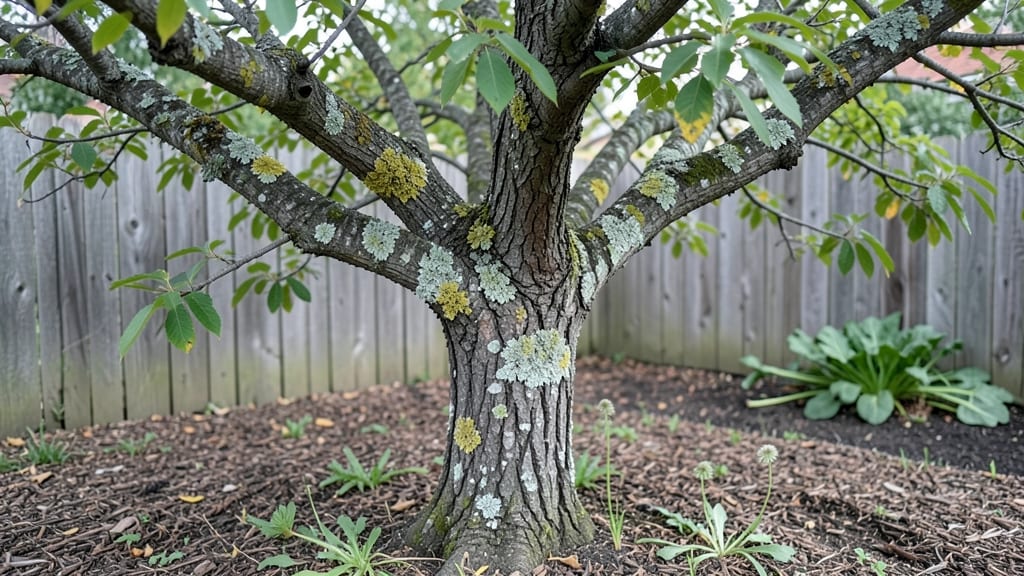
That fuzzy green growth on your cherry tree isn’t moss—it’s lichen, nature’s quiet architect that actually benefits your tree more than it harms it. ✨ I used to panic every spring when it appeared, convinced my tree was sick, but after researching, I learned lichen is harmless and even helps the tree by trapping moisture and providing nutrients.
Lichen thrives in clean air and damp conditions, so its presence is a sign your tree is healthy, not struggling. The key is distinguishing it from harmful pests like scale or fungal diseases—lichen grows evenly, never in patches, and doesn’t leave sticky residue or discolored leaves.
Most importantly, it never damages the tree’s bark or leaves.
If you want to remove it (for aesthetic reasons, say), a soft brush and water are all you need—no chemicals required. Lichen is tough but not indestructible, and gentle scraping will keep your tree looking its best without harming the delicate ecosystem it supports.
Your tree will thank you by staying strong and vibrant.
This guide covers everything from identification to gentle removal, so you can appreciate lichen’s beauty while keeping your cherry tree thriving. Let’s get started with what you actually need to know!
Root Causes Of Fungal Growth
Lichen thriving on your cherry tree isn’t just a random occurrence—it’s a response to specific environmental and biological conditions. Understanding these causes helps you address the issue effectively while preserving the tree’s health. Let’s break down the key factors that turn your cherry tree into a lichen magnet.
Lichen, a symbiotic organism combining fungi and algae or cyanobacteria, thrives in damp conditions. When your cherry tree’s bark stays consistently moist—whether from frequent rain, poor drainage, or overhead irrigation—it creates the perfect breeding ground for lichen spores. Here’s why moisture matters:
- Bark Texture: Smooth-barked cherry trees (like Prunus avium) may seem resistant, but cracks, crevices, or rough spots from age or damage trap moisture, giving lichen a foothold.
- Fungal Spores: Lichen spores float in humid air and latch onto wet surfaces. A single spore can germinate and spread within weeks if conditions remain ideal.
- Algae Partnership: The algae in lichen need moisture to photosynthesize, fueling the fungal partner’s growth. Without dry periods, the cycle accelerates.
Actionable Fix: Improve airflow around the tree by pruning dense branches and ensuring proper spacing between trees. If your yard is prone to soggy soil, consider installing French drains or mulching with gravel-based materials (not wood chips, which retain moisture).
Cherry trees in shady, sheltered spots—especially those surrounded by other trees, fences, or dense shrubbery—suffer from stagnant air. Lichen loves these conditions because:
- Reduced Evaporation: Shade slows bark drying, keeping surfaces damp longer.
- Lower UV Exposure: Direct sunlight can inhibit lichen growth by drying spores and damaging their cells. Shade removes this natural barrier.
- Debris Buildup: Fallen leaves, twigs, or moss near the base trap moisture against the trunk, creating a microclimate for lichen.
Actionable Fix:
- 🌳 Thin nearby foliage to allow sunlight and wind to reach the cherry tree’s canopy and trunk.
- ✂️ Remove debris from the base of the tree annually to prevent moisture buildup.
- 💨 Strategic pruning: Trim branches that block airflow, focusing on the lower third of the tree where lichen often starts.
Lichen doesn’t just appear on unhealthy trees—it’s often drawn to trees that are already stressed or nutrient-rich. Here’s how:
| Factor | Why It Attracts Lichen |
|---|---|
| 🍃 Over-Fertilization | Excess nitrogen in soil or foliar sprays makes bark softer and more porous, giving lichen easy access to anchor. |
| 💦 Root Compaction | Compacted soil restricts root growth, weakening the tree’s immune response and making it more susceptible to fungal colonization. |
| 🐜 Pest Damage | Insects like scale or borers create wounds that expose inner bark layers—ideal for lichen spores to infiltrate. |
| 🌡️ Environmental Stress | Drought followed by sudden watering (or vice versa) shocks the tree, reducing its ability to shed lichen naturally. |
Actionable Fix:
- 🌱 Test soil pH and adjust fertilization to avoid nitrogen overload. Aim for a balanced 6.0–7.0 pH for cherry trees.
- 🚜 Aerate compacted soil around the root zone using a garden fork or professional aeration services.
- 🛡️ Monitor for pests and treat infestations early with neem oil or horticultural oil to prevent bark damage.
Some cherry trees are genetically predisposed to lichen growth due to their bark composition or slow growth rate. For example:
- Smooth-Barked Varieties: Species like Prunus serrulata (Japanese cherry) have thinner bark that dries slower, making them lichen magnets as they age.
- Slow-Growing Trees: Lichen colonizes gradually over decades, so older cherry trees (20+ years) are more likely to host it.
- High Tannin Content: Some cherry barks contain natural compounds that lichen can metabolize, encouraging attachment.
Actionable Fix: While you can’t change a tree’s genetics, regular maintenance—like gentle bark brushing (see next section) and pruning—can slow the spread. For heritage trees, focus on preservation over eradication.
Revive Your Tree’s Beauty Naturally
Lichen on cherry trees isn’t just an aesthetic nuisance—it can signal underlying issues like poor air quality, excessive moisture, or nutrient deficiencies. But the good news? Most problems are fixable with simple, eco-friendly steps.
Below, we’ve mapped out targeted solutions based on the root cause, plus proactive tips to keep your tree thriving.
If your cherry tree is a lichen magnet because of damp conditions or stagnant air, the fix starts with improving its environment.
🔥 Step 1: Prune for Better Air Circulation
Thick or overgrown branches trap moisture, creating the perfect lichen buffet. Use clean, sharp pruning shears to:
- 🍳 Remove dead or crossing branches – Aim for an open canopy (about 20-30% of the tree’s volume should be air space).
- 👨🍳 Thin out dense foliage – Focus on the lower third of the tree, where lichen often clings.
- ⏰ Prune in late winter or early spring – Avoid summer cuts, which stress the tree.
🌡️ Step 2: Adjust Watering and Drainage
Overwatering or soggy soil invites lichen. Try these tweaks:
- 💡 Water deeply but less often – Let the top 2-3 inches of soil dry out between waterings.
- 🎯 Improve drainage – Amend clay-heavy soil with compost or sand to prevent waterlogging.
- ✨ Mulch strategically – Use 2-3 inches of organic mulch (like wood chips) but keep it away from the trunk to avoid fungal issues.
🌬️ Step 3: Boost Airflow with Smart Planting
If your tree is in a shaded or enclosed space, relocate nearby plants or structures to:
- 🌳 Allow sunlight to reach the canopy – Lichen thrives in low-light conditions.
- 🏡 Move obstructions (fences, walls, or other trees) – Aim for at least 6 feet of clearance around the base.
Yellowing leaves or stunted growth alongside lichen? Your cherry tree might be hungry. Feed it right to crowd out unwanted guests.
🥗 Step 1: Test Soil and Amend as Needed
Lichen loves imbalanced soil. Grab a soil test kit (available at garden centers) to check for:
- ⚖️ Low nitrogen – Use a balanced fertilizer (10-10-10) in early spring.
- 🌱 Deficient phosphorus or potassium – Try a bone meal or wood ash supplement for phosphorus, and greensand for potassium.
- 💪 Compacted or acidic soil – Add lime (for acidity) or compost to improve structure.
🍎 Step 2: Feed with Organic Matter
Lichen can’t compete with a healthy, well-fed tree. Boost its defenses with:
- 🌿 Compost tea – Brew a batch (1 part compost to 5 parts water, steep for 2-3 days) and spray on leaves and soil.
- 🍂 Leaf mold – Spread 1-2 inches of decomposed leaves around the base (but not touching the trunk).
- 🐝 Encourage beneficial microbes – A mycorrhizal fungus (available as a powder) can improve root health.
If your tree is in an urban area or near roads, lichen may be hitchhiking on airborne pollutants. Cleanse the tree and shield it from harm.
🧼 Step 1: Gently Remove Lichen (If Necessary)
While lichen is harmless, you can lightly scrub it off branches with:
- 🧽 A soft brush and soapy water – Mix 1 tsp mild dish soap per gallon of water and gently brush off lichen.
- 🌧️ A rain shower – After scrubbing, rinse thoroughly to avoid damaging bark.
- ⚠️ Avoid harsh chemicals – Never use bleach or fungicides, as they can harm the tree.
🌳 Step 2: Shield from Pollution
If your tree is near traffic or industrial areas, create a protective barrier:
- 🛡️ Install a physical barrier – Use burlap or mesh screens to reduce soot exposure during high-pollution periods.
- 💦 Mist leaves regularly – A light spray with distilled water can help wash away pollutants.
- 🌿 Plant pollution-tolerant companions – Surround the cherry tree with boxwood, holly, or juniper, which absorb some toxins.
An ounce of prevention is worth a pound of scrubbing. Follow these habits to keep your cherry tree lichen-free:
- 💡 Prune regularly – Thin out branches annually to maintain airflow.
- 🌡️ Monitor soil moisture – Use a moisture meter to avoid overwatering.
- 🍄 Inspect for pests – Spider mites or scale insects can stress the tree, making it lichen-prone. Treat with neem oil if needed.
- ✨ Encourage natural predators – Birds and insects like ladybugs help control pests that weaken trees.
- 🌳 Choose the right location – Plant cherry trees in well-draining, slightly acidic soil with 6+ hours of sunlight.
With these steps, your cherry tree will stay vibrant, healthy, and—most importantly—free of nature’s fuzzy invaders. 🌸
Frequently asked questions
Is lichen harmful to cherry trees?
Not at all! Lichen is completely harmless to cherry trees—it doesn’t feed on the tree or spread diseases. In fact, it often indicates clean air and a healthy tree. The fuzzy growth is a symbiotic organism combining fungi and algae, which thrives on moisture and bark but doesn’t damage the tree’s health.
How can I tell if it’s lichen or something more serious like fungus?
Lichen grows evenly in patches, never in random spots, and doesn’t leave sticky residue or discolored leaves. Fungal infections often appear as uneven spots, powdery mildew, or oozing sap. If you see yellowing leaves, black spots, or bark peeling, consult a local arborist to rule out pests or disease.
Will removing lichen hurt my cherry tree?
No, gentle removal won’t harm the tree. Use a soft brush and soapy water to scrub it off, then rinse thoroughly. Avoid harsh chemicals like bleach, as they can damage the bark. If you prefer, you can also let it be—lichen is nature’s decoration and doesn’t require removal unless it bothers you aesthetically.
Why does my cherry tree have more lichen than others?
Lichen thrives in damp, shaded, or sheltered areas with poor airflow. If your tree is near a fence, surrounded by other plants, or gets frequent overhead watering, it creates the perfect environment. Pruning to improve circulation and reducing moisture buildup can help minimize future growth.
Can lichen spread to other trees in my yard?
Yes, but it spreads slowly through spores carried by wind or water. If you’re concerned, improve airflow around all trees and avoid overwatering. Lichen is harmless, so there’s no urgent need to treat it—just manage the conditions that encourage its growth.