
Diseases
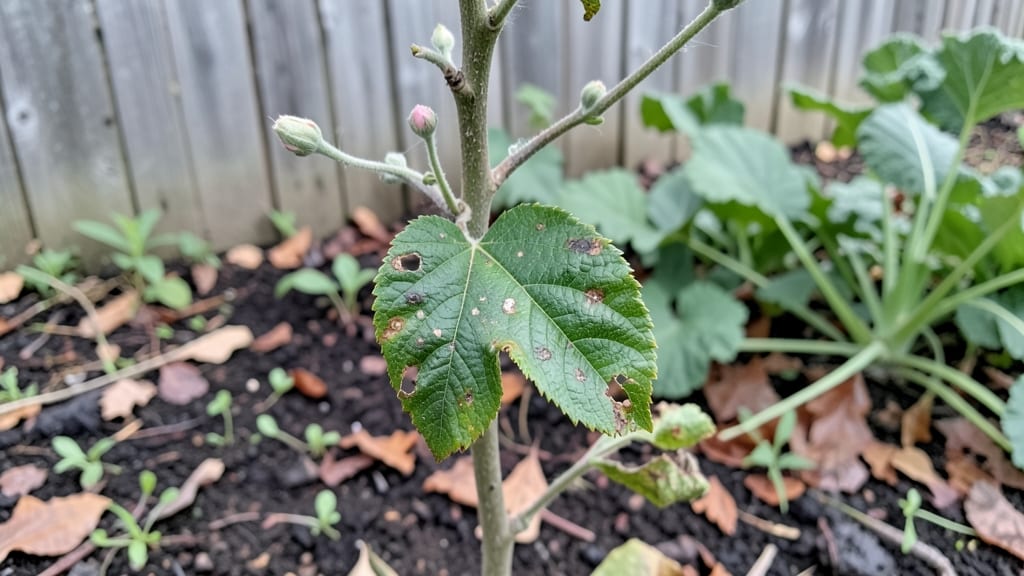
Identifying the curling apple tree diseases through these leaves pictures is your first step—because that parchment-like twist isn’t just odd, it’s your tree’s desperate SOS. 🌿 I’ve spent years watching apple scab, cedar apple rust, and fire blight twist those glossy green leaves into brittle, puckered messes, and I’ve learned the visual clues that tell you exactly what’s wrong.
The key is spotting the patterns: apple scab leaves show olive-green spots that turn fuzzy and black, while cedar apple rust leaves develop yellow-orange spots with horn-shaped growths underneath. Fire blight, though, leaves behind blackened, wilted branches that look like they’ve been scorched.
Once you recognize these signs, you can act fast—whether that means pruning, spraying, or adjusting your care routine to save your tree’s future harvest.
📚 In This Guide
- What you need
- Instructions
- Tips and common mistakes
- Wrapping up and next steps
What you need
- ● Hand lens or magnifying glass (10x magnification recommended) – for spotting tiny details on leaves and spots.
- ● Digital camera or smartphone – to capture clear, close-up pictures of affected leaves (include a coin or ruler for scale!).
- ● Pruning shears or sharp scissors – sterilized with rubbing alcohol (70% or higher) to avoid spreading disease.
- ● Disposable gloves (nitrile or latex) – to protect your hands from spores or sap.
- ● Rubbing alcohol (70% isopropyl) (small bottle) – for sterilizing tools between uses.
- ● Plastic bags or paper envelopes (2-3) – for collecting and transporting leaf samples safely.
- ● Field guide or smartphone app (e.g., PlantVillage, PictureThis, or iNaturalist) – for quick disease identification.
- ● Notebook or voice recorder – to jot down observations like leaf color, size, and pattern of curling/spots.
- ● pH test kit – to check soil acidity (some diseases thrive in specific pH levels).
- ● Moisture meter – to assess soil hydration (over/under-watering can worsen diseases).
- ● Fungicide or bactericide (e.g., copper-based sprays) – only if you’re ready to treat after diagnosis.
- ● Reference books on apple tree diseases (e.g., Comprehensive Fruit Tree Care by Lewis Hill).
- ● Extension service contact info – local agricultural experts can provide tailored advice!
How to diagnose apple tree leaf diseases using visual clues
Here’s how to identify curling apple tree diseases by examining leaves—no lab needed.
🌿 Step 1: Inspect Leaf Edges and Undersides for Spots
Start by examining the undersides of leaves, where fungal diseases like apple scab or powdery mildew often appear first. Look for tiny purple, brown, or black spots that may have a fuzzy or powdery texture. Apple scab, for example, starts as olive-green spots that turn dark and crusty. If you see these, the disease is already spreading.
Flip the leaves over—healthy leaves should be uniformly green. Curling or puckering at the edges, paired with spots, often signals a fungal infection. Take a close look at the leaf veins; if they’re discolored or raised, that’s another red flag. I’ve found that early morning inspections work best, as dew highlights spots more clearly.
🌿 Step 2: Check for Powdery White Coating on Leaves
Powdery mildew is easy to spot if you know what to look for: a white, powdery residue on both leaf surfaces, often starting on younger leaves. Unlike spots, this coating spreads quickly in warm, humid conditions. Run your finger gently over the leaf—if it leaves a white, chalky mark, that’s powdery mildew.
This disease thrives in shaded or crowded trees, so check the undersides of leaves near the tree’s center first. If you see this, prune out infected branches immediately to prevent spread. I’ve seen powdery mildew turn a tree’s canopy into a ghostly white mess within weeks if left unchecked.
🌿 Step 3: Look for Yellowing and Crinkling Between Leaf Veins
Apple rust diseases, like cedar-apple rust, cause yellow-orange spots that eventually turn brown and crinkly. These spots often appear on the upper leaf surface first, with tiny orange pustules forming on the underside. If you see these, your tree is infected—and nearby cedar trees are likely the source.
Infected leaves may also curl upward sharply, exposing the undersides to more sunlight and speeding up the disease cycle. Remove heavily infected leaves by hand and dispose of them in the trash, not the compost. I’ve had to burn infected leaves in the past to stop the spread—don’t skip this step.
✂️ Step 4: Prune and Dispose of Infected Branches Properly
Once you’ve identified the disease, prune out all infected branches at least 6 inches below the last visible sign of disease. Use sterilized pruners (wipe them with rubbing alcohol between cuts) to avoid spreading spores. Bag the infected branches and leaves in a sealed plastic bag for disposal.
Don’t compost infected plant material—fungal spores can survive and reinfect your garden. After pruning, thin the tree’s canopy slightly to improve airflow, which helps leaves dry faster and reduces humidity. I’ve seen trees recover fully after just one season of aggressive pruning and fungicide applications.
💧 Step 5: Apply Preventative Fungicides at the Right Time
Timing is everything with fungicides. For apple scab, apply a copper-based fungicide in early spring before buds swell, then again after petal fall. Powdery mildew responds best to sulfur or neem oil sprays, applied every 7-10 days during humid periods. Always follow label instructions—overapplying can harm the tree.
I’ve found that preventive sprays in late winter (just before buds break) cut down on fungal pressure early in the season. Pair this with proper watering—deep, infrequent watering at the base reduces leaf wetness, which fungi love. If you’re dealing with rust, consider removing nearby cedar trees if possible—they’re the alternate host for the fungus.
Tips & tricks for diagnosing apple tree leaf diseases
Real talk: Identifying apple tree diseases from leaf symptoms alone can be tricky—here's how to avoid common pitfalls and make accurate diagnoses every time.
Lighting Matters: Always inspect leaves in natural daylight, especially early morning when dew enhances visibility of spots and textures. I’ve caught early signs of apple scab by examining leaves under a bright lamp at night—it’s like a magnifying glass effect. For powdery mildew, angle your light source to highlight the chalky residue on leaf surfaces.
Seasonal Timing is Critical: The timing of when you spot symptoms matters more than you might think. Apple scab typically appears in wet springs (March-May), while powdery mildew flourishes in warm, humid summers (June-August). Cedar-apple rust shows up in late spring when cedar trees release spores. I’ve seen homeowners misdiagnose diseases because they didn’t account for seasonal patterns.
Use a Magnifier for Accuracy: Grab a 10x magnifying glass—it’s a game-changer for spotting those tiny orange pustules of cedar-apple rust or the fuzzy texture of apple scab. I keep one in my gardening toolkit specifically for leaf inspections. The details you can see under magnification often reveal the exact disease you’re dealing with, saving you from guesswork.
Document Your Findings: Take dated photos of symptoms from both leaf surfaces and compare them against reference guides. I’ve created a simple spreadsheet to track disease progression on my trees, noting dates, leaf locations, and weather conditions. This visual record helps me spot patterns and determine if treatments are working over time.
Pro Tips for Curling Apple Tree Diseases Leaves Pictures
- Real talk: Identifying apple tree diseases from leaf symptoms alone can be tricky—here's how to avoid common pitfalls and make accurate diagnoses every time.
- Lighting Matters: Always inspect leaves in natural daylight, especially early morning when dew enhances visibility of spots and textures.
- Seasonal Timing is Critical: The timing of when you spot symptoms matters more than you might think.
Frequently asked questions
about curling apple tree leaves and diseases can help you act fast to save your trees. Here are answers to the most common concerns:What are the most common diseases causing apple tree leaves to curl?
The top culprits include apple scab (dark spots with yellow halos), powdery mildew (white, powdery coating), and cedar apple rust (orange pustules on undersides). Fire blight can also cause curling, often paired with blackened, wilted leaves. Check our visual guide for side-by-side comparisons!
When is the best time to treat apple tree leaf diseases?
Act early—as soon as you spot symptoms! For apple scab and powdery mildew, apply fungicides in early spring (before buds swell) and again after rain. Cedar apple rust needs treatment in late spring (May-June) when orange pustules appear. Fire blight demands immediate pruning of infected branches.
Can I use home remedies for curling apple tree leaves?
Some mild cases respond to baking soda spray (1 tbsp baking soda + 1 tsp oil + 1 gallon water) for powdery mildew or neem oil (2 tbsp per gallon) for early-stage fungal issues. However, severe infections (like fire blight or scab) require commercial fungicides. Always test a small branch first!
How do I take good pictures to diagnose my apple tree’s leaf problems?
Capture close-ups of both leaf tops and undersides, include a coin for scale, and snap multiple angles (e.g., branches, trunk, buds). Use natural light and avoid filters. Upload to forums like Garden.org or California’s Pest ID Guide for expert feedback.
Will pruning help if my apple tree leaves are already curling?
Yes! Prune infected branches 6+ inches below the damage (for fire blight, cut to healthy wood) and sterilize tools with rubbing alcohol between cuts. Remove fallen leaves and debris to prevent spores from overwintering. Thin the canopy to improve airflow—this reduces humidity, a key trigger for many diseases.
Pro Tip:
If your tree is young or newly planted, prioritize preventive care: water at the base (not overhead), mulch 3 inches deep, and apply dormant oil in late winter to smother overwintering pests. Healthy trees fight diseases better!
Wrapping up and next steps
Identifying curling apple tree leaves early can save your orchard from serious damage! 🌿 By recognizing visual clues—like discolored spots, fungal growth, or distorted edges—you’ll be better equipped to diagnose and treat common diseases. Stay proactive: prune affected branches, apply organic sprays, and monitor your trees regularly to keep them thriving.
Ready to take action? Start with a simple inspection today! 🔍 Grab your gloves, compare your leaves to the pictures in this guide, and give your apple trees the care they deserve. Healthy trees mean delicious fruit tomorrow!