
Pests
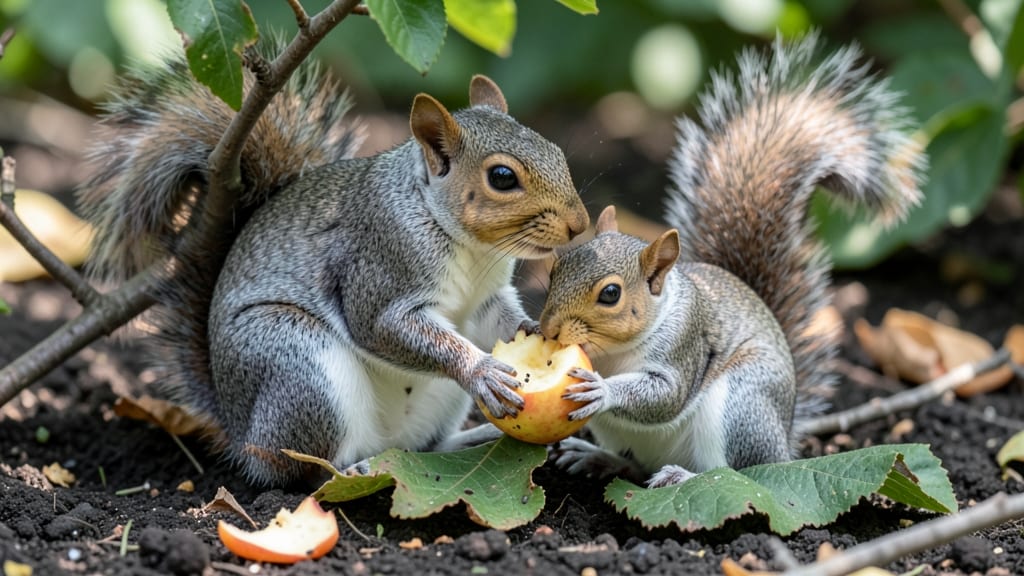
Squirrels do eat apples off trees when available, though they prefer nuts, seeds, and buds. Their diet shifts seasonally, and apples provide quick energy but aren’t a staple. Always monitor orchards to deter overconsumption or damage.
While squirrels will happily snack on apples when they find them, these rodents are primarily nut and seed specialists.
Their teeth and digestive systems are perfectly adapted for cracking open hard shells, which is why acorns, walnuts, and sunflower seeds dominate their diet. 🌰 Apples, on the other hand, serve as a convenient carbohydrate source—especially during late summer and fall when natural sugars are abundant.
The real issue isn't whether they'll eat them, but how quickly they can strip an orchard bare if left unchecked.
What's fascinating is how their seasonal foraging patterns change with food availability. In spring, when nuts are scarce, they'll raid fruit trees more aggressively. By understanding these cycles, gardeners can implement targeted deterrents—like tree wraps or motion-activated sprinklers—during peak vulnerability periods.
The key is acting before they establish a habit of raiding your harvest.
💡 In This Article
- Squirrel Diet Science: Why Apples Aren’t Their Primary Food
- Protecting Apple Trees from Squirrel Damage
Squirrel diet science: why apples aren’t their primary food
Squirrels are obligate granivores, meaning their digestive systems evolved to efficiently process high-fat, high-protein foods like nuts and seeds. Their molars are specially adapted to crack open hard shells—capable of exerting 2,000 pounds per square inch of pressure—while their caecum (a specialized gut pouch) ferments fibrous plant materials.
This biological setup makes nuts their dietary cornerstone, providing the 20-30% fat content they need for hibernation and reproduction. Apples, with their 80% water content and minimal fat, simply can't match this nutritional density. 🌰
The real reason squirrels avoid apples as staples lies in their energy-to-effort ratio. A single walnut (about 7g) contains roughly 180 calories and 18g of fat, while an equivalent weight of apple provides only 25 calories and 0.2g of fat.
This makes nuts 7x more calorically efficient—a critical advantage when squirrels must store enough energy to survive winter. Their hyperthyroid metabolism burns through calories quickly, so they prioritize foods that offer maximum sustenance with minimal chewing.
An apple might satisfy a quick hunger, but it won’t fuel a squirrel’s high-energy lifestyle.
Seasonal availability explains why squirrels do eat apples—but only as a supplemental snack. During late summer and early fall, when fruit trees ripen, squirrels will raid orchards, but their behavior shifts dramatically with the seasons. In spring, when nuts are scarce, they become more aggressive about fruit consumption.
By autumn, however, they’re stockpiling nuts for winter, leaving apples behind. This seasonal shift is hardwired into their behavior, driven by pheromone cues and food scarcity triggers in their brain. The key insight? Apples are a convenience food, not a dietary necessity. 🍏
Another critical factor is their digestive efficiency. Squirrels can’t process large quantities of fruit without risking digestive upset. Their gut transit time for fibrous foods is only 12-24 hours, compared to 48+ hours for humans.
Overconsumption of apples could lead to diarrhea or malabsorption, which is why they eat them in moderation—usually 1-2 bites per tree—rather than stripping branches bare. This selective eating behavior is a survival mechanism, ensuring they don’t waste energy on foods that won’t sustain them long-term.
For gardeners, this dietary science explains why physical deterrents (like netting) work better than repellents. Squirrels aren’t addicted to apples—they’re opportunistic eaters. Removing the easy access to fruit is the most effective way to discourage raids.
Their preference for nuts means they’ll quickly move on if apples aren’t readily available, making prevention the best strategy. Understanding their nutritional needs helps you outsmart their foraging instincts. ✨
Here’s the bottom line: squirrels eat apples because they’re easy to find and digest quickly, but their bodies are built for high-fat, low-water foods. This mismatch is why apples will always be a secondary snack—not a dietary staple.
The next time you see squirrels nibbling on your orchard, remember: they’re not targeting your apples; they’re just taking advantage of a temporary buffet before returning to their true love—nuts. 🌳