
How To
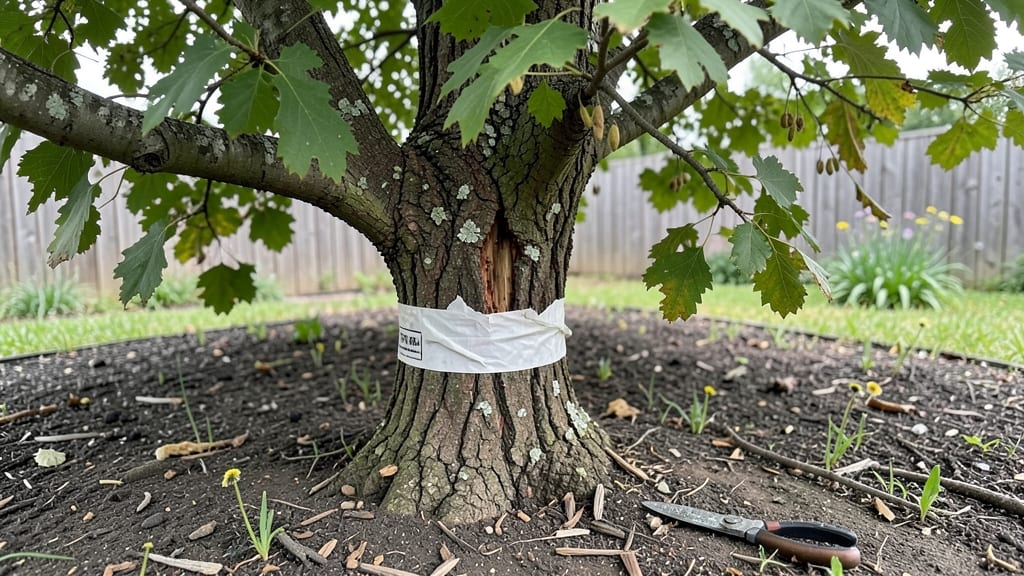
A split tree isn’t just an eyesore—it’s a safety hazard you’ll want to fix a split tree before it worsens. I’ve seen storms turn sturdy branches into jagged wounds, and without the right fix, that split can widen until the whole limb gives way.
The good news? You can often save it with basic tools and a little know-how, whether it’s bracing the crack or pruning strategically.
First, grab your pruners, a sturdy rope or metal bracket, and some heavy-duty screws—no fancy equipment needed. The key is acting fast: a fresh split might just need a brace to hold it together, while an old one could require cutting back to a stronger branch.
I’ve fixed splits on oak, maple, and even fruit trees using these same steps, and the results last for years.
What you’ll end up with is a tree that looks natural but stays stable, with no more dangling hazards. The branches heal over time, and the tree regains its strength—plus, you’ll sleep better knowing it won’t crash during the next windstorm.
Ready to roll up your sleeves and get it done?
Between you and me, I’ve learned that prevention beats repair every time. After fixing splits, I always check for weak crotches, overgrown limbs, and signs of disease—because the best repair is the one you never have to do. Let’s get that tree back in shape.
Root Causes Of Branch Splits
Understanding why trees split is the first step to preventing it—and fixing it properly. A split branch isn’t just a random accident; it’s usually the result of structural stress, environmental factors, or poor growth habits.
Let’s break down the science behind the most common culprits so you can spot the warning signs before disaster strikes.
Not all wood is created equal.
Some tree species (like willows, poplars, or young, fast-growing trees) produce weaker, more brittle wood due to: - Low wood density – Trees with soft, spongy wood (e.g., silver maple) are more prone to splitting under stress. - Improper branching angles – Branches that grow at sharp angles (like a "V" shape) create tension zones where the wood is naturally weaker.
Over time, wind or weight can cause the branch to crack at the branch collar (the swollen base where the branch meets the trunk). - Decay or disease – Fungal infections (like heart rot) or bacterial cankers weaken the internal structure, making branches more likely to split during storms or even under their own weight.
💡 Pro Tip: If your tree has multiple narrow, upright branches, it’s a red flag—these are high-risk for splitting. Prune them early to redirect growth into stronger, wider crotches.
Mother Nature is the #1 villain in tree splits. Here’s how weather and terrain conspire against your branches:
| Factor | How It Causes Splits | High-Risk Trees |
|---|---|---|
| Heavy snow/ice | Accumulated weight bends branches beyond their breaking point. Ice also acts like a lever, prying branches apart at weak junctions. | Pine, spruce, oak |
| Strong winds | Flailing branches act like pendulums, creating shear stress at the branch collar. Chronic wind exposure weakens the vascular cambium (the tree’s healing layer). | Tall, narrow trees (e.g., fir, birch) |
| Drought stress | When roots can’t supply enough water, the tree prioritizes survival over structural integrity. Branches become brittle and prone to snapping. | Drought-sensitive species (e.g., ash, elm) |
| Temperature swings | Freeze-thaw cycles cause wood to expand and contract, cracking the bark and underlying tissue. Sudden heat waves dry out wood faster than it can adapt. | Fruit trees (apple, cherry) |
⚠️ Warning Sign: If your tree has peeling bark, dead branches, or mushrooms at the base, it’s already compromised—waiting for the next storm to split.
DIY pruning gone wrong is a silent killer of branch strength. Here’s how bad cuts backfire:
- Topping the tree – Cutting the top off a tree (like a bad haircut) forces sprout growth from weak, upright stems.
These new branches grow fast but weak, splitting easily in wind. - Over-pruning – Removing too much foliage at once (over 25% in one season) starves the tree of energy, making wood less dense and more prone to splits. - Improper cuts – - Stub cuts (leaving a large stub) create entry points for decay. - Flared cuts (cutting too far into the trunk) damage the branch collar, the tree’s natural healing zone. - Cutting into the branch collar weakens the compression wood (the structural support at the junction).
🔥 Fix It Now: If you’ve topped a tree in the past, corrective pruning (thinning out weak branches and encouraging wider crotches) can help—but it takes years to strengthen.
Some trees are just too ambitious with their growth. When branches carry too much weight, they split under pressure:
- Heavy fruit/nuts – Trees like oak, apple, or walnut produce hundreds of pounds of fruit, which can overload branches if not properly supported.
- Excessive foliage – Dense canopies (common in maples, pines, or evergreens) create wind resistance, turning branches into sails that snap in storms.
- Vine or parasite weight – Poison ivy, ivy, or mistletoe growing on branches add extra leverage, increasing the risk of splits during wind.
🌡️ Climate Check: In fruit-bearing seasons, inspect branches for sagging or cracking—this is your tree’s way of saying, “I’m about to fail.”
Sometimes, splits are self-inflicted—or caused by human (or animal) error:
- Lawn equipment – Trimmers, mowers, or snowplows can gouge bark or sever small roots, weakening the tree’s ability to support branches.
- Animal activity – Beavers chewing bark, deer rubbing antlers, or woodpeckers drilling holes all compromise structural integrity.
- DIY “fixes” – Tying branches with wire too tightly (a common “solution”) can strangle the branch and accelerate decay.
✨ Prevention Hack: Apply tree wound dressing (like Tanglefoot) to small cuts to prevent pests from entering—and keep equipment 3+ feet away from the trunk.
Step-by-Step Repair Methods
Now that you understand the causes behind a split tree, let’s roll up your sleeves and tackle the problem head-on! Whether the damage is minor or severe, these practical solutions will help you restore your tree’s health and prevent future splits.
Always prioritize safety—wear gloves, goggles, and sturdy footwear before starting.
For small, clean splits (less than 2 inches wide), you can often repair the damage without professional help.
1.
Clean and Disinfect the Wound 🧼 - Use a pruning saw or sharp knife to trim any jagged edges, creating a smooth, clean cut. - Wipe the area with rubbing alcohol or a 10% bleach solution to prevent fungal or bacterial infections. - Pro Tip: Avoid touching the wound with bare hands—sap and debris can harbor pathogens.
2.
Apply Tree Wound Pruning Sealant 🛡️ - Purchase a high-quality tree sealant (like Tanglefoot Tree Wound Dressing or a commercial pruning paste). - Apply a thin layer over the wound, ensuring it covers the entire split but doesn’t smother the area. - Why It Works: Sealants create a protective barrier, reducing moisture loss and blocking pests.
3.
Support the Branch with a Splint 🏋️♂️ - If the split is causing the branch to hang unevenly, use a tree branch splint (available at garden centers) or a sturdy wooden stake. - Secure it with tree straps or zip ties, ensuring the branch is stabilized but not crushed. - Pro Tip: Check the splint every few weeks—remove it once the wound seals (usually 6–12 months).
If the split is wide, deep, or causing the branch to detach, you’ll need a more robust approach.
1.
Assess the Damage and Safety Risks ⚠️ - Do NOT attempt repairs if: - The split is near a power line. - The branch is dead or rotting (indicated by hollow sound when tapped). - You’re unsure about climbing or handling heavy branches. - Call a professional arborist if the tree is large (over 30 feet) or the split is severe.
2.
Remove the Damaged Section 🪓 - Use a pruning saw or chainsaw to cut the split branch back to a healthy bud or lateral branch (follow the 3-cut method for clean removal). - Make the cut at a 45-degree angle, just outside the branch collar (the swollen area where the branch meets the trunk). - Pro Tip: Step back and visualize the tree’s natural shape—avoid leaving stubs or over-pruning.
3.
Reinforce the Tree with Cabling or Bracing 🛠️ - If the split weakens the tree’s structure, an arborist can install cable systems to support heavy branches. - Dynamic cables (with turnbuckles) allow for slight movement, reducing stress on the tree. - Why It Helps: Prevents further splits by redistributing weight.
An ounce of prevention is worth a pound of repair! Follow these long-term strategies to minimize future splits:
| Cause | Prevention Tip | How Often |
|---|---|---|
| Storm Damage | Prune dead/diseased branches in late winter or early spring. | Annually |
| Overweight Branches | Thin out dense foliage to improve airflow and reduce wind resistance. | Every 2–3 years |
| Poor Pruning | Avoid topping or flush cuts—always prune at the branch collar. | During dormant season |
| Disease or Pests | Inspect for signs of rot, holes, or sawdust-like frass (insect droppings). | Spring & Fall |
| Soil Issues | Test soil pH and amend with compost or fertilizer if deficient in nutrients. | Every 2–3 years |
| Improper Planting | Stake young trees temporarily (1–2 years max) to prevent trunk stress. | As needed |
While DIY fixes work for minor splits, hire an arborist if: ✅ The tree is over 50 feet tall or near structures. ✅ The split is hollow or oozing sap (signs of decay). ✅ You’re dealing with a rare or valuable tree species. ✅ The damage exceeds your comfort level with tools or heights.
Final Reminder: Patience is key—tree wounds take time to heal. Avoid pruning the area again for at least 1–2 years, and monitor for new splits or signs of stress. With the right care, your tree can bounce back stronger than ever! 🌿💪
Frequently asked questions
Can I fix a split tree myself, or should I call a professional?
For small splits (under 2 inches) on young or small trees, DIY repairs work well using sealant and splints. But call an arborist if the tree is large (over 30 feet), near power lines, or shows signs of decay (hollow sounds, oozing sap). Professionals handle complex cases like cabling systems or removing heavy limbs safely.
What’s the best way to stabilize a split branch temporarily?
Use a tree splint (or sturdy wooden stake) secured with tree straps or zip ties—never wire, which can girdle the branch. Position it to support the split without crushing it, and check monthly. Remove the splint once the wound seals (6-12 months), as prolonged support can weaken the tree.
Will sealing a split tree speed up healing?
Sealants like Tanglefoot Tree Wound Dressing don’t heal the tree—they protect it by blocking pests and reducing moisture loss. The tree seals the wound naturally over 1-2 years. Focus on proper pruning and soil health to support recovery. Avoid over-sealing, which can smother the wound.
How do I know if a split is too dangerous to leave?
Watch for these red flags: leaning branches, wide gaps (>3 inches), or splits near the trunk. If the branch hangs unevenly or the split widens over time, it’s unstable. Also, if the tree has mushrooms at the base or peeling bark, decay may have already weakened it beyond repair.
Can I prune a split branch to “fix” it, or will that make it worse?
Pruning can help if done correctly—cut back to a healthy lateral branch using the 3-cut method (avoid stubs!). But never prune a split branch during active growth (spring/summer). Wait until dormant season (winter/early spring) to minimize stress. Poor cuts can create new weak points.