
Trees
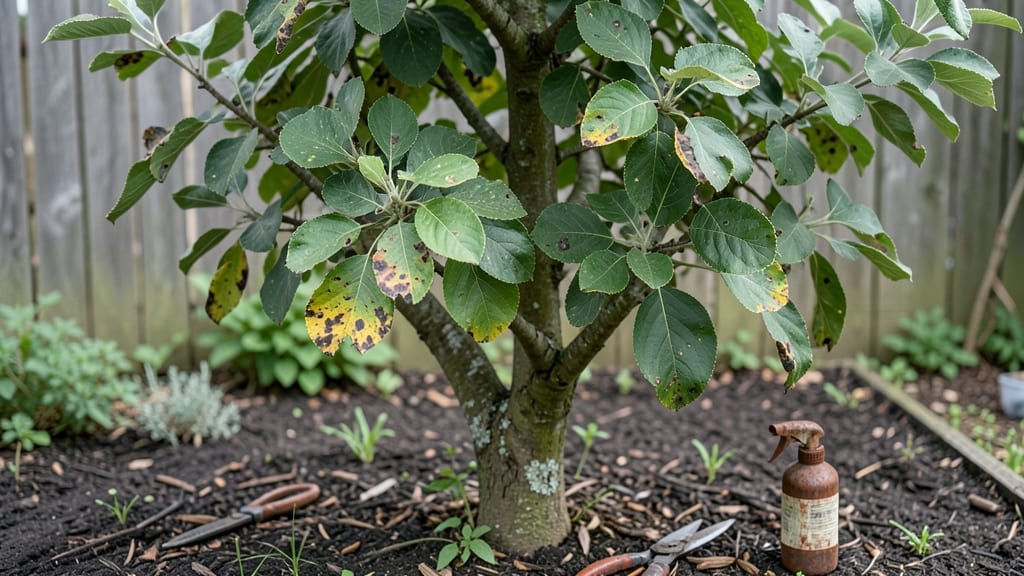
Last spring, I spotted those dark, velvety spots on my apple tree leaves—and after some research, I finally found the fungus on apple trees cure that saved my harvest. 🌿 The good news?
I found an organic spray mix that stopped the spread within two weeks and had my trees looking vibrant again by summer.
Most fungal issues—like apple scab or powdery mildew—start with damp conditions and old leaves lingering too long. The key is acting fast with a baking soda spray (1 tablespoon per quart of water with a drop of dish soap) or a neem oil solution (1 teaspoon per gallon).
Prune infected branches in dry weather, and rake up fallen leaves to break the fungus’s cycle.
You’ll see fresh, glossy leaves within 10-14 days of consistent spraying, and the fruit stays blemish-free if you keep treatments up every 7-10 days during wet seasons. The trees won’t just survive—they’ll thrive, producing sweeter apples than ever before.
This works for black spot too, and the same principles apply whether you’re dealing with a single tree or a whole orchard. Let’s get those branches healthy again—no chemicals needed.
Root Causes Of Apple Tree Fungus
Fungal infections in apple trees aren’t random—they’re the result of specific environmental and biological triggers. Understanding these causes is the first step to prevention and treatment. Below, we break down the key factors that create the perfect storm for fungal growth on your trees.
Fungi thrive in damp conditions, and apple trees are particularly susceptible when their leaves, fruit, or bark stay wet for prolonged periods. Here’s why:
- Overhead Watering: Watering from above (especially late in the day) leaves foliage damp overnight, giving fungi like Venturia inaequalis (apple scab) the ideal environment to spread.
- Compacted Soil: Poor drainage from heavy or clay soil keeps roots waterlogged, weakening the tree’s defenses and creating stress that attracts fungal pathogens.
- Rainfall Patterns: Regions with frequent, heavy rains (or sudden downpours) increase humidity, accelerating spore germination and infection.
Actionable Insight: If your soil drains poorly, amend it with organic matter like compost or coconut coir. Water at the base of the tree in the morning to allow foliage to dry quickly.
A healthy apple tree has natural defenses, but stress from poor care or environmental factors can leave it vulnerable to fungal attacks. Common stressors include:
- Nutrient Deficiencies: Low nitrogen, potassium, or micronutrients (like boron or zinc) weaken cell walls, making them easier targets for fungal penetration.
- Physical Damage: Pruning wounds, hail scars, or insect bites create entry points for pathogens like Botryosphaeria (a common canker-causing fungus).
- Drought or Overwatering: Both extremes disrupt the tree’s ability to photosynthesize efficiently, reducing its energy reserves for fighting infections.
- Pests as Vectors: Sap-sucking insects (e.g., aphids, mites) damage leaves, creating wounds that fungi exploit. Some fungi even hitchhike on insect bodies!
Actionable Insight: Conduct a soil test to check nutrient levels and fertilize accordingly. Prune during the dormant season (late winter) to minimize wound exposure, and use sterilized tools to prevent cross-contamination.
Fungi don’t just appear out of nowhere—they spread via spores, which can linger in the environment or on infected plant material. Key sources include:
- Infected Plant Debris: Leaves, fruit mummies (dried, infected apples), or fallen branches left on the ground harbor spores over winter. When conditions are right, they germinate and infect new growth.
- Wind and Rain: Spores are lightweight and can travel miles on wind currents or splash up from soil during rain, landing on healthy trees.
- Contaminated Tools or Clothing: Pruning shears, gloves, or even boots can transfer spores from infected to healthy trees if not cleaned between uses.
- Wildlife and Birds: Animals may carry spores on their feet or feathers, depositing them on tree bark or fruit.
Actionable Insight: Clean up fallen leaves and fruit in autumn, and remove any infected branches immediately. Store pruning tools in a 10% bleach solution between uses to kill spores.
Fungi have specific temperature and humidity preferences. Apple tree pathogens like apple scab and powdery mildew love:
- Cool, Wet Conditions: Temperatures between 50–75°F (10–24°C) with high humidity (above 75%) are prime for spore germination and growth.
- Slow-Drying Foliage: If leaves stay wet for 6–9 hours (e.g., due to morning dew or light rain), fungal spores can infect the leaf surface.
- Seasonal Timing: Spring showers followed by warm days create the perfect conditions for apple scab outbreaks, as spores released from overwintering debris infect new leaves.
Actionable Insight: Monitor your local weather forecasts and apply preventive fungicides before rain events during high-risk periods (early spring and summer). Improve air circulation around trees with proper spacing or pruning.
By addressing these root causes—whether through cultural practices, sanitation, or targeted treatments—you can dramatically reduce the risk of fungal infections and keep your apple trees thriving.
How to Treat Fungus on Apple Trees
Fungus on apple trees can feel like a daunting challenge, but with the right approach, you can restore your trees to health and prevent future outbreaks. The key is early action—the sooner you address the issue, the easier it is to cure and protect your trees.
Below, we’ve mapped out practical solutions tailored to common causes, from organic sprays to cultural fixes. Plus, we’ll share prevention tips to keep your orchard thriving long-term.
Powdery mildew appears as a white, powdery coating on leaves, stems, and even fruit. It thrives in humid, shady conditions and weakens trees by blocking sunlight.
🔥 Step-by-Step Cure:
- Prune for Better Airflow 🌿
- Remove crowded or diseased branches to improve circulation. Aim for an open canopy so sunlight and air can reach all parts of the tree.
- Pro Tip: Prune in late winter or early spring before fungal spores become active.
- Apply Organic Fungicides 🍯
- Neem oil spray (1 tsp neem oil + 1 tsp mild soap + 1 quart water) – spray every 7–10 days until symptoms disappear.
- Baking soda solution (1 tbsp baking soda + 1 tsp oil + 1 gallon water + a drop of dish soap) – spray directly on affected areas.
- Best Time: Apply in the early morning or late evening to avoid burning leaves in direct sunlight.
- Clean Up Debris 🧹
- Remove and dispose of (not compost) fallen leaves and mummified fruit to eliminate spore sources.
💡 Prevention Tips:
- Space trees properly (15–20 ft apart for dwarf varieties, more for standard trees).
- Water at the base (avoid overhead sprinkling, which spreads spores).
- Plant resistant varieties like ‘Liberty’ or ‘Enterprise’ apple trees.
Apple scab causes black, crusty spots on leaves and fruit, leading to premature leaf drop and misshapen apples. It spreads via rain splashes and overwinters in fallen leaves.
🍳 Step-by-Step Cure:
- Remove Infected Leaves & Fruit 🗑️
- Rake up and destroy (burn or trash) all fallen leaves and scabbed fruit before they decompose.
- Use Copper Fungicide 🛡️
- Bordeaux mixture (copper sulfate + hydrated lime) or fixed copper spray – apply every 10–14 days during wet seasons.
- Safety Note: Wear gloves and avoid spraying when bees are active.
- Apply Organic Alternatives 🌱
- Milk spray (1 part milk to 9 parts water + a drop of soap) – spray weekly during wet periods.
- Potassium bicarbonate (2 tbsp per gallon of water) – effective and less harsh than chemical sprays.
🌡️ Prevention Tips:
- Plant trees in full sun (scab thrives in damp, shady spots).
- Mulch with straw (keeps soil dry and reduces splashing).
- Apply fungicide preventatively in early spring (before buds swell).
Black rot causes target-like spots on leaves and black, sunken lesions on fruit. It spreads rapidly in warm, humid weather and can defoliate trees by summer.
👨🍳 Step-by-Step Cure:
- Thin Fruit Early 🍏
- Remove overripe or infected fruit immediately to stop spore spread.
- Thin fruit to 6–8 inches apart to reduce humidity in the canopy.
- Spray with Organic Fungicides 🍄
- Sulfur spray (follow label rates) – effective but avoid when temps exceed 85°F.
- Serenade Garden spray (contains beneficial bacteria) – apply every 2 weeks during outbreaks.
- Improve Drainage 💦
- Ensure well-draining soil (amend with compost if needed) to reduce fungal growth.
✨ Prevention Tips:
- Plant in well-ventilated areas (avoid low spots where water pools).
- Avoid overhead irrigation – use drip systems instead.
- Rotate fungicide types to prevent resistance.
If your tree is heavily infected, follow this 3-step recovery protocol:
- Emergency Pruning ⏰
- Cut out all severely diseased branches (at least 6 inches below the last sign of infection).
- Soil Amendment 🌱
- Add compost or mycorrhizal fungi to boost tree health and soil immunity.
- Boost Tree Immunity 💪
- Fertilize with organic matter (fish emulsion or compost tea) to strengthen the tree’s defenses.
To keep fungus at bay long-term, make these habits a priority: ✅ Monitor trees weekly for early signs of fungus. ✅ Clean tools with rubbing alcohol between pruning sessions. ✅ Rotate fungicide types seasonally to avoid resistance. ✅ Plant companion plants like garlic or chives (natural fungicides!). ✅ Avoid stressing trees (proper watering, mulching, and balanced fertilization).
With consistent care and organic treatments, your apple trees can bounce back—often within one growing season. The key is acting fast and staying vigilant. Happy growing! 🍏🌿
Frequently asked questions about apple tree fungal issues
How do I tell if my apple tree has fungus instead of just pests or nutrient issues?
Look for distinctive markings: Fungal infections like apple scab show black, crusty spots on leaves, while powdery mildew appears as white, powdery patches. Nutrient issues often cause yellowing between leaf veins, and pests leave visible holes or sticky residue. Fungal spots usually appear on both leaf surfaces.
Can I use the same organic spray for all types of apple tree fungus?
Most organic sprays like neem oil or baking soda work against multiple fungi, but some diseases (like black rot) need sulfur-based treatments. Always check the label—some mixes aren’t compatible. For severe cases, rotate between copper fungicide (for scab) and potassium bicarbonate (for mildew).
How often should I spray my apple trees to prevent fungus?
Apply preventive sprays every 7–14 days during high-risk periods (spring showers or summer humidity). Start spraying before you see symptoms—once fungus appears, you’ll need to treat every 3–5 days until it clears. Early morning applications work best to avoid leaf burn from sunlight.
Will removing infected branches stop the fungus from spreading?
Yes, but only if you sterilize your tools and dispose of debris properly. Cut 6 inches below visible infection, then soak pruners in 10% bleach solution or rubbing alcohol. Never compost infected material—burn or trash it to break the fungus’s life cycle.
Are there any apple tree varieties naturally resistant to fungus?
Liberty and Enterprise apples are bred for disease resistance. Other good choices include Akane (scab-resistant) and GoldRush (fire blight-resistant). While no variety is 100% immune, these reduce your need for chemical treatments by up to 70%.