
Pests and Diseases
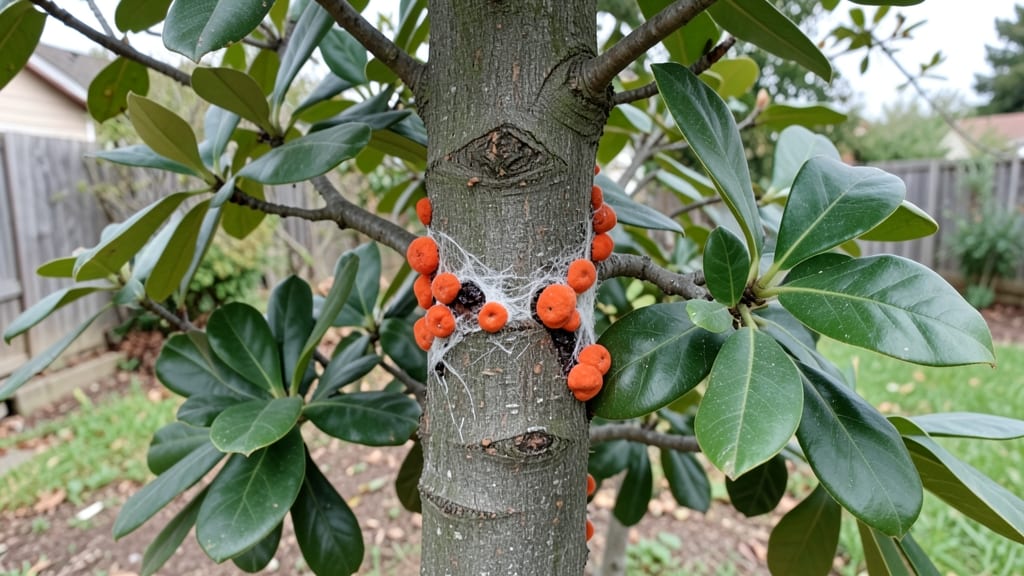
That powdery white residue or dark, sunken patches on your magnolia tree trunk aren’t just fungus—it’s a spreading infection that can turn your healthy tree into a struggling one. 🌿 I’ve seen anthracnose and canker do exactly that. news is you can stop it before it gets worse.
The key is acting fast with the right mix of pruning, cleaning, and organic treatments.
Most fungal infections start from wounds, poor air circulation, or wet bark. That’s why I always check for cracked bark, overwatering, or dense foliage blocking airflow—those are the real culprits.
Once you identify the problem (and rule out bark rot or pests), you can target treatments like neem oil, copper fungicide, or even a simple baking soda spray for mild cases. It’s all about cutting off the fungus’s food source.
By the time you finish cleaning up debris, pruning infected branches, and applying treatments, your magnolia will look like it’s breathing again. The bark stays smooth, the leaves stay vibrant, and you avoid that heartbreaking sight of a once-proud tree slowly dying.
The best part? Prevention is easier than you think—just a few tweaks to watering, mulching, and pruning habits can keep it from coming back.
This works for both young trees and mature magnolias, whether you’re dealing with powdery mildew or something more serious like canker. Let’s get that trunk healthy again—no chemicals required.
Underlying Causes Of Fungal Growth
Fungal infections on magnolia tree trunks aren’t random—they thrive when specific conditions align. Understanding why these fungi appear helps you address the root issues and prevent future outbreaks. Let’s break down the most common culprits and their scientific triggers.
Fungi love water—literally. Magnolias are susceptible when their trunks and bark stay damp for prolonged periods, creating the perfect breeding ground. Here’s why:
- Rainfall or overhead watering: Magnolias with thick, waxy leaves can trap moisture against the trunk, especially if branches hang low. Botryosphaeria and Phomopsis (common trunk fungi) exploit this humidity.
- Compacted or waterlogged soil: Poor drainage around the base forces water to pool near the trunk. Test your soil: if it stays soggy 24 hours after rain, drainage is likely the issue.
- Mulch piled too high: Mulch should sit 3–4 inches away from the trunk. Piling it against the bark traps moisture and blocks airflow, accelerating fungal spores.
Actionable fix: Improve drainage with organic matter (compost or pine bark fines) and avoid mulch volcanoes. Consider a tree well (a shallow depression around the trunk) to redirect water.
Fungi often colonize wounds, using them as entry points. Magnolia trunks can get damaged in these ways:
- Animal activity: Rabbits, deer, or rodents gnaw on bark, creating rough edges where Armillaria (honey fungus) or Nectria can take hold.
- Improper pruning: Cutting too close to the trunk (within 1–2 inches) leaves jagged wounds that don’t heal properly, inviting infections.
- Mechanical injury: Lawnmowers, string trimmers, or even leaning ladders can scrape bark, exposing inner tissues to fungal spores in the air.
Actionable fix: Prune during dormant season (late winter) with sterilized tools. Seal fresh wounds with pruning paint (only on small cuts—large wounds should be left open to heal naturally).
Fungal spores are everywhere—soil, air, and even healthy plants carry them. But they only become problematic when conditions favor germination:
- Dense shade and humidity: Magnolias planted under other trees (like pines or oaks) create a microclimate with high moisture and low airflow, perfect for Ganoderma (sheep polypore).
- Debris buildup: Fallen leaves, old mulch, or dead branches near the trunk harbor spores. Rhizoctonia (a soil-borne fungus) thrives in these organic layers.
- Weakened tree stress: Drought, nutrient deficiencies, or root damage weaken the magnolia’s defenses, making it easier for fungi to invade.
Actionable fix: Clear debris within 3 feet of the trunk and thin surrounding vegetation to improve airflow. Test soil pH (magnolias prefer 5.0–6.5) and amend with compost if deficient.
Fungi have ideal temperature ranges for growth. For magnolias, these are the risk windows:
| Fungus Type | Peak Activity | Why It’s Dangerous |
|---|---|---|
| Valsa (canker fungus) | Spring (50–70°F) | Cool, wet springs soften bark, allowing spores to penetrate. |
| Armillaria (honey fungus) | Fall (60–75°F) | Fungal mycelium spreads aggressively in warm, damp soil. |
| Phytophthora (root rot) | Summer (75–85°F) | Heat + standing water create anaerobic conditions, killing roots. |
Actionable fix: Monitor weather patterns and avoid overwatering during peak fungal seasons. Use drip irrigation (which delivers water to roots, not foliage) to reduce trunk moisture.
Pro Tip: 💡 Preventative fungicides (like copper fungicide or neem oil) applied in early spring can create a protective barrier—but only use them after addressing moisture and wound issues. Organic solutions work best when combined with cultural fixes!
How to Treat and Prevent Tree Fungus
Fungus on your magnolia’s trunk doesn’t have to be a permanent problem—with the right approach, you can restore your tree’s health and keep it thriving. Below are targeted solutions for common fungal causes, along with preventive steps to stop future outbreaks.
Whether it’s black spot, powdery mildew, or canker diseases, these methods are organic, practical, and effective.
Cause: Alternaria or Colletotrichum spores thrive in damp, shady conditions. Solution:
- 🔥 Prune Infected Branches
- Remove and dispose of (not compost) heavily spotted leaves and twigs. Use sterilized pruners (wipe with rubbing alcohol between cuts) to avoid spreading spores.
- Focus on inner branches where airflow is poor.
- 🍳 Apply Fungicide Sprays
- Use organic copper fungicide (like Copper Soap or Fixed Copper) or neem oil spray (1 tbsp neem oil + 1 tsp mild soap per quart of water).
- Spray undersides of leaves and the trunk’s base every 7–10 days during wet seasons.
- 🌡️ Improve Air Circulation
- Thin out dense foliage to reduce humidity around the trunk.
- Avoid overhead watering—use drip irrigation or water at the base only.
Cause: Erysiphe or Sphaerotheca fungi love hot, dry conditions but spread fast in humid climates. Solution:
- 👨🍳 Scrub the Trunk Gently
- Mix 1 tbsp baking soda + 1 tsp horticultural oil + 1 gallon water in a spray bottle.
- Lightly scrub white, powdery patches with a soft brush, then spray the solution.
- ⏰ Schedule Preventive Sprays
- Apply potassium bicarbonate spray (follow label rates) weekly during spring/summer.
- For severe cases, try refined lime sulfur (diluted per instructions).
- 🌿 Adjust Watering Habits
- Water early in the morning to allow foliage to dry quickly.
- Space trees 3–5 feet apart to prevent overcrowding.
Cause: Botryosphaeria or Phomopsis fungi enter through wounds or weak bark. Solution:
- 🔪 Excise Damaged Areas
- Cut out sunken, oozing cankers with a sterilized knife, extending 6 inches beyond visible damage.
- Seal wounds with pruning paint (optional but helps prevent reinfection).
- 🥘 Apply Organic Fungicide Paste
- Mix 1 part neem oil + 2 parts clay powder to form a paste. Apply to cleaned cankers and let dry.
- Reapply every 2–3 weeks until new growth appears.
- 🌡️ Strengthen Tree Defense
- Fertilize with compost or mycorrhizal fungi (like Mycorrhiza Applications) to boost immunity.
- Mulch 3 inches deep (but keep it 6 inches away from the trunk) to regulate moisture.
- 🌡️ Monitor Moisture: Use a moisture meter—ideal soil moisture is 40–60%. - ✨ Choose Resistant Varieties: If replanting, opt for ‘Little Gem’ or ‘Annette’ magnolias, which are less prone to fungal issues. - 🔥 Sterilize Tools: Always clean pruners with bleach (1:10 ratio) or 70% isopropyl alcohol after use. - 🎯 Encourage Beneficial Insects: Ladybugs and lacewings naturally control fungal spores.
Plant dill or marigolds nearby to attract them.
Pro Tip: 💡 Test your soil pH—magnolias prefer slightly acidic soil (pH 5.0–6.5). If your soil is alkaline, amend with sulfur or peat moss to create a less fungus-friendly environment.
By acting early and consistently, you can reverse fungal damage and protect your magnolia for years to come. 🌳✨
Frequently asked questions
How can I tell if the fungus on my magnolia trunk is serious?
Check for sunken, oozing cankers or dark, raised lesions—these indicate advanced infections like canker fungus. Early signs include powdery white patches (mildew) or black spots on leaves. If the bark cracks or peels excessively, it’s a red flag. Act fast if you see wilting leaves or dieback in branches.
Can I use vinegar to treat fungal infections on magnolia bark?
No, vinegar is too harsh for tree bark and can damage the trunk’s protective layers. Use organic copper fungicide or neem oil spray instead. For mildew, a baking soda solution (1 tbsp baking soda + 1 tsp oil per gallon of water) works gently but safely.
Will pruning infected branches help stop the fungus from spreading?
Prune only during dry weather and use sterilized tools to avoid spreading spores. Cut back 6 inches beyond visible damage, then dispose of infected debris (don’t compost it). This removes the fungus’s food source and prevents further infection.
How often should I apply fungicide to my magnolia?
Apply every 7–10 days during wet seasons (spring/fall) or when you first notice symptoms. For prevention, 2–3 treatments in early spring (before new growth) can create a protective barrier. Always follow label instructions for organic fungicides like neem oil or copper soap.
Can I save a magnolia tree if the fungus has already killed large branches?
It depends on the extent of damage. If the trunk is still structurally sound and roots are healthy, the tree may recover with proper care. Prune dead branches, apply fungicide, and improve airflow. For severe cases, consult an arborist—some infections (like Armillaria) can be fatal if left untreated.