
Pests and Diseases
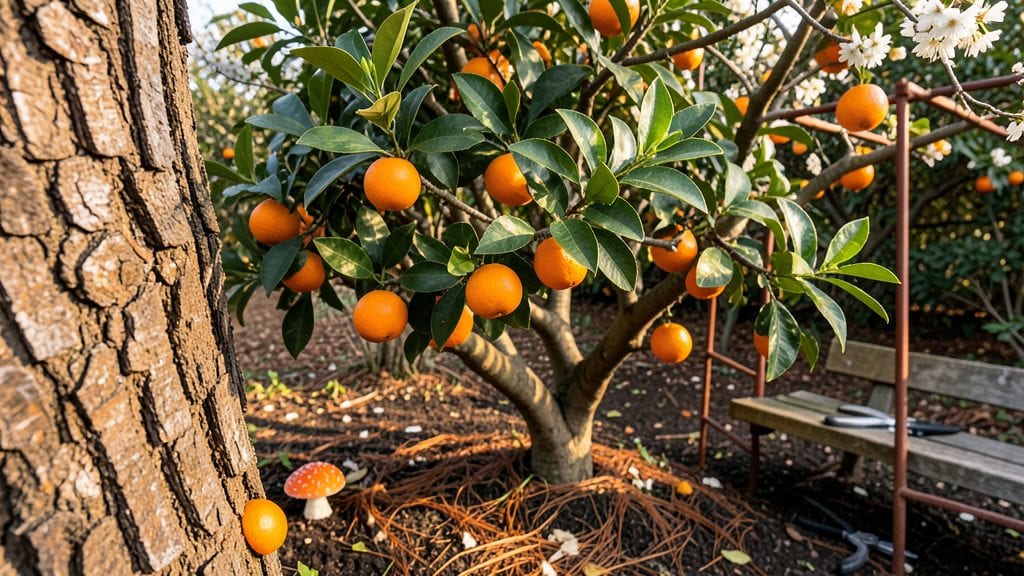
Seeing that round orange fungus on your tree feels like a gut punch—it’s ugly, and you’re worried it’s spreading. I’ve dealt with it on my apple tree, and while it looks alarming, the good news is most of these growths are treatable if you catch them early.
The key is identifying what you’re actually looking at before jumping to conclusions.
This isn’t always the dreaded rust fungus, though it can be. Other culprits include cedar-apple rust (those bright orange pustules) or even a harmless lichen masquerading as a threat. The difference? Rust appears in clusters on leaves and branches, while lichen clings like a fuzzy carpet without damaging the tree.
Grab a magnifying glass and check for tiny pores or spore clusters—those are your clues.
Once you’ve confirmed it’s fungal, the fix is straightforward: prune infected branches 6 inches below the growth, sterilize your tools with rubbing alcohol, and apply a copper fungicide or homemade mix of 1 tablespoon baking soda per gallon of water with a drop of dish soap.
Repeat every 10-14 days until new growth appears free of spots. The goal is to starve the fungus before it spreads further.
For stubborn cases or if the tree looks stressed, don’t hesitate to call a local arborist—they’ll know if it’s time for a stronger treatment or if your tree just needs better airflow.
The sooner you act, the sooner you’ll see those orange blemishes fade and your tree bounce back stronger than ever.
Fungal Growth Triggers Explained
That bright orange, round fungus growing on your tree isn’t just a random occurrence—it’s a response to specific environmental and biological conditions. Understanding these triggers helps you address the root cause (literally and figuratively) and prevent future outbreaks.
Below, we break down the most common reasons why these fungal growths appear, backed by science and actionable insights.
Fungi thrive in damp, humid conditions, and trees provide the perfect canvas. When moisture lingers—whether from rain, overhead irrigation, or poor drainage—fungal spores germinate and spread rapidly. Here’s why:
- High Humidity: Fungi like Ganoderma (a common cause of orange shelf fungi) require relative humidity above 70% to grow. If your tree sits in a shaded, poorly ventilated area, humidity levels can stay elevated for days, creating ideal conditions.
- Wet Bark: Water trapped in bark crevices or leaf litter provides a constant moisture source. Fungal hyphae (thread-like structures) grow toward these damp zones, establishing colonies.
- Poor Drainage: Compacted or clay-heavy soil prevents water from draining away, keeping the root zone soggy. This stress weakens the tree’s defenses, making it susceptible to fungal invasion.
Actionable Fix: Improve airflow around the tree by pruning dense branches and removing nearby debris. Use drip irrigation instead of overhead watering, and consider mulching with organic materials (like wood chips) to regulate soil moisture without suffocating roots.
A healthy tree’s bark and immune system act as a barrier against fungal invaders. When the tree is stressed, that barrier weakens, allowing fungi to take hold. Common stress factors include:
- Nutrient Deficiencies: Lack of essential nutrients (like nitrogen, potassium, or magnesium) weakens cell walls, making them easier targets. Yellowing leaves or stunted growth are red flags.
- Physical Damage: Cuts from pruning, storm wounds, or insect borers create entry points for fungal spores. Even minor injuries can become infection gateways.
- Disease or Pest Pressure: If your tree is already battling pests (like beetles or aphids) or diseases (such as anthracnose), its energy is diverted from defense, leaving it vulnerable to secondary fungal infections.
Actionable Fix: Conduct a soil test to check nutrient levels and amend with compost or slow-release fertilizer. Seal pruning wounds with a fungicide-pruner sealant (like Tanglefoot Tree Wound Pruning Seal), and monitor for pest outbreaks early.
Fungal spores are everywhere—in soil, air, and even on healthy plants. But they only cause trouble when they land on a hospitable surface. Here’s how orange fungi spread:
- Windborne Spores: Many fungi (like Armillaria, which causes honey mushrooms) release spores that travel on wind currents. These spores settle on tree bark, especially if it’s already damaged or moist.
- Contaminated Tools or Mulch: Pruners, saws, or mulch from infected trees can transfer spores to healthy ones. Even firewood stacked near your tree might harbor hidden spores.
- Animal or Insect Vectors: Some fungi hitchhike on beetles, ants, or birds. For example, the Laetiporus fungus (sulfur shelf) often spreads via wood-boring insects.
Actionable Fix: Sterilize pruning tools with rubbing alcohol between uses, and avoid mulching with wood chips from unknown sources. If you suspect spores are spreading, remove and dispose of infected wood chips far from your garden.
Fungi have temperature preferences, and certain seasons create prime conditions for outbreaks. Orange fungi often appear:
- During Warm, Wet Springs: Temperatures between 60–80°F (15–27°C) with frequent rain trigger spore germination. This is why many fungal infections peak in late spring or early summer.
- After Hot, Dry Summers: While drought stresses trees, the sudden return of moisture (like after a monsoon) can overwhelm weakened defenses, leading to explosive fungal growth.
- In Fall Leaf Litter: Decaying leaves create a damp, nutrient-rich layer that fungi love. If leaves pile up against tree trunks, they trap moisture and spores.
Actionable Fix: Rake up fallen leaves and debris around the tree’s base in fall. If your region has predictable fungal seasons, apply a preventative fungicide (like copper-based sprays) in early spring before spores become active.
Pro Tip: 💡 Keep a fungus journal! Note when and where outbreaks occur, weather patterns, and tree health changes. Patterns will help you predict and prevent future issues.
How to Treat Tree Fungus Safely
If you’ve spotted a round orange fungus on your tree, acting quickly can prevent it from spreading and harming your plant. Below are targeted solutions based on the most common causes—whether it’s a harmless slime mold, a dangerous rot, or an insect-related issue.
Follow these steps to remove, treat, and prevent further outbreaks.
Before grabbing chemicals, confirm what you’re dealing with. A round orange fungus could be:
- Slime mold (harmless, water-based)
- Orange peel fungus (a sign of decay)
- Insect-related fungus (like ambrosia beetle galleries)
- Rust or powdery mildew (less common but possible)
💡 Pro Tip: Snap a photo and compare it to online guides (like University Extension resources) or consult a local arborist if unsure.
For non-wood-rotting fungi (like slime mold or early-stage orange peel fungus), physical removal is often enough.
👨🍳 For Slime Mold (Harmless but Unsightly)
Slime mold thrives in damp, shaded areas and does not harm trees—it’s just gross.
- Wipe it off with a damp cloth or spray it with water.
- Scrape it off with a plastic scraper (avoid metal to prevent tree damage).
- Prevent regrowth by improving airflow around the tree (trim nearby branches).
🥘🔪 For Wood-Rotting Fungus (Dangerous)
If the fungus is orange and peeling (like Laetiporus or Trametes), it may signal decay inside the tree.
- Cut out infected wood with sterilized pruning shears (disinfect blades with 70% isopropyl alcohol).
- Remove and burn (or dispose of in sealed bags) infected branches—do not compost.
- Seal wounds with pruning paint or tree wound dressing to prevent further entry.
If the fungus is spreading rapidly or linked to insect activity, a fungicide may help.
| Fungus Type | Recommended Treatment | How to Apply |
|---|---|---|
| Slime Mold | No treatment needed (harmless) | Improve drainage & airflow |
| Orange Peel Fungus | Copper fungicide (e.g., Bordeaux mixture) | Spray on clean, dry days (avoid rain for 24 hrs) |
| Ambrosia Beetle Fungus | Insecticide + fungicide combo (e.g., imidacloprid + myclobutanil) | Drill & inject or soil drench (follow label) |
| Rust/Powdery Mildew | Neem oil or sulfur-based fungicide | Spray early morning/evening (avoid direct sun) |
💡 Pro Tip: Preventative sprays (like neem oil) in spring and fall can stop fungi before they take hold.
Fungus thrives when trees are stressed, overwatered, or injured. Take these steps to prevent recurrence:
✅ Improve Airflow
- Thin out dense foliage around the tree.
- Prune dead or crossing branches to reduce moisture buildup.
✅ Adjust Watering
- Overwatering = fungus paradise. Water deeply but infrequently (1-2 inches per week).
- Ensure proper drainage—if soil stays soggy, amend with compost or sand.
✅ Strengthen Tree Health
- Fertilize (if soil tests show deficiencies) with balanced, slow-release fertilizer.
- Mulch properly (2-4 inches deep, keep mulch away from the trunk).
- Watch for pests—beetles, borers, and aphids can invite fungus. Treat early with insecticidal soap or beneficial nematodes.
✅ Sterilize Tools
- Clean pruners with rubbing alcohol between cuts to avoid spreading spores.
- Check weekly for new growth, especially after rain.
- Reapply treatments every 4-6 weeks (or as directed on the label).
- Call an arborist if the fungus spreads aggressively or the tree shows wilt, oozing sap, or large dead patches.
- [ ] Prune dead/diseased branches.
- [ ] Test soil for moisture and nutrient levels.
- [ ] Space trees properly (6-10 ft apart for airflow).
- [ ] Avoid wounding the trunk (use proper pruning techniques).
- [ ] Store firewood away from trees (some fungi spread via wood).
By following these steps, you’ll eliminate existing fungus and keep your tree healthy for years to come. 🌳💪 When in doubt, act fast—fungus spreads faster than you think!
Frequently asked questions
Is a round orange fungus on my tree always harmful?
Not necessarily! Some orange growths, like slime mold or lichen, are harmless and just need removal for aesthetics. However, if it’s peeling or causing bark damage (like Laetiporus or Ganoderma), it may signal decay. Always check for soft spots, oozing sap, or spreading patches—these are red flags.
How do I tell if the orange growth is a fungus or something else?
Fungi typically have spore-bearing surfaces (like tiny pores or powdery textures) and grow directly on bark or wood. If it’s fuzzy but doesn’t damage the tree (like lichen), it’s non-fungal. For confirmation, snap a photo and compare it to resources like the University of Minnesota Extension’s fungal guides.
Can I use vinegar or bleach to kill the fungus?
Bleach is too harsh for trees and can burn bark, while vinegar (undiluted) may help in small spots but won’t penetrate wood decay. For safety, use a copper fungicide (like Bordeaux mixture) or a 1% hydrogen peroxide spray (3% food-grade peroxide diluted with water). Always test on a small area first.
Will pruning infected branches stop the fungus from spreading?
Yes, but you must do it correctly! Cut 6 inches below the visible growth and sterilize your tools with rubbing alcohol between cuts. Disposing of infected wood in sealed bags (not compost) prevents spores from reinfecting your yard. Seal pruning wounds with pruning paint to block entry points.
When should I call an arborist instead of treating it myself?
If the fungus is spreading rapidly, the tree shows wilt, oozing sap, or large dead patches, or you suspect internal rot (hollow-sounding wood), it’s time to call a pro. Arborists can assess structural risks and use stronger treatments (like systemic fungicides) if needed. Don’t wait—fungus weakens trees faster than you’d expect!