
Trees
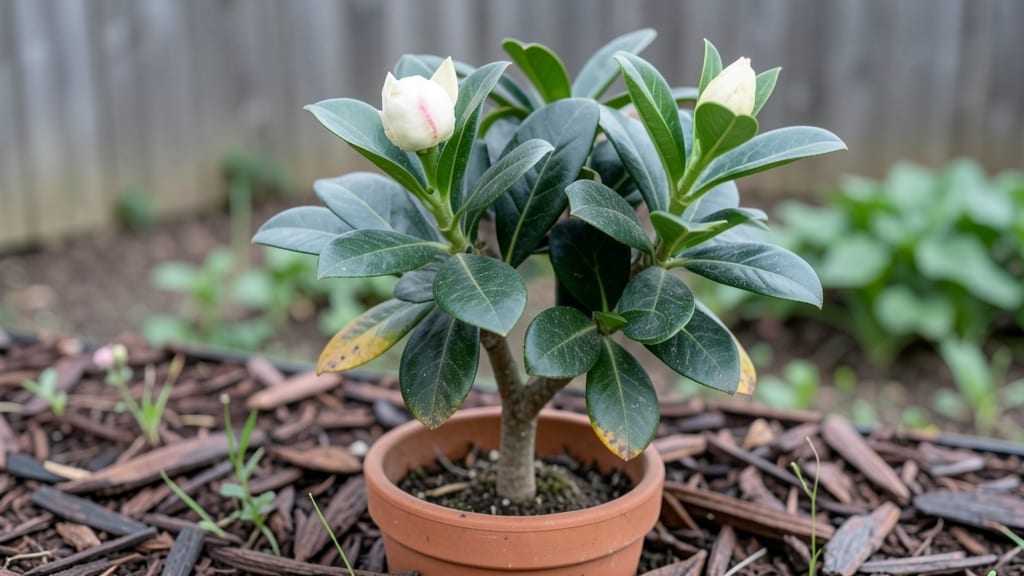
Your gardenia tree leaves could be the secret ingredient in a fragrant tea blend—but only if they stay healthy and vibrant. 🌿 I’ve learned the hard way that yellowing, browning, or spotted leaves mean trouble, but fixing these issues isn’t as complicated as it seems.
The key is catching problems early, whether it’s overwatering, pests, or fungal infections.
Most issues start with simple mistakes: too much water, not enough light, or ignoring pests like aphids or spider mites. I once lost a whole branch to leaf spot because I waited too long to act.
The good news? With the right care, your gardenia’s leaves will stay lush and fragrant, perfect for harvesting or enjoying in your garden.
You’ll diagnose problems by checking leaf edges, undersides, and stems—each tells a different story. A few sprays of neem oil or copper fungicide can turn things around before the damage spreads. Once you spot the signs early, your gardenia will bounce back faster than you think.
This works for both potted gardenias and those planted in the ground, no matter your climate. The same principles apply whether you’re dealing with a single plant or a whole grove. Let’s get those leaves back to their best!
Understanding Leaf Stress Signals
If your gardenia tree is sending you distress signals through its leaves—yellowing, browning, curling, or dropping—it’s not just a random act of nature. These visual cues are your plant’s way of communicating specific issues.
Let’s break down the most common reasons behind leaf problems in gardenias, so you can diagnose and treat them like a pro. 🌿🔍
Gardenias thrive in well-draining soil, but when they’re overwatered or left sitting in soggy conditions, their roots suffocate. This leads to:
- Yellowing leaves (chlorosis): A classic sign of root rot, where roots can’t absorb nutrients due to oxygen deprivation.
- Wilting or drooping: Even with excess water, the plant can’t uptake moisture efficiently.
- Brown, mushy stems: A severe case where the plant is literally rotting from the ground up.
Why it happens: Gardenias are tropical but hate waterlogged soil. Their native habitats in Southeast Asia feature sandy, acidic soils that dry out quickly between rains. When planted in heavy clay or without proper drainage, water pools around the roots, creating anaerobic conditions. Fungal pathogens like Phytophthora then move in, attacking the roots and blocking nutrient transport.
Actionable fix: Let the top 1–2 inches of soil dry out between waterings. Use potting mix formulated for azaleas or camellias (both are in the same family) and add perlite or orchid bark for aeration. If your gardenia is in the ground, consider raising the planting bed or installing a French drain.
Gardenias are sun-loving but heat-sensitive. Too much direct sun or sudden temperature swings can scorch or shock their leaves, leading to:
- Brown, crispy edges: Sunburn from intense afternoon rays.
- Purple or red tinges: Stress from cold drafts or sudden heat changes.
- Leaf drop: A survival mechanism to reduce water loss in extreme conditions.
Why it happens: Gardenias prefer morning sun and afternoon shade in hot climates. Their thick, waxy leaves are adapted to moderate temperatures (60–75°F). When exposed to:
- Direct midday sun (above 85°F): Leaves overheat, causing photoxidative damage (like sunburn on human skin).
- Cold drafts (below 50°F): Chilling injury disrupts cell membranes, leading to chlorophyll breakdown (purpling) or necrosis (browning).
- Sudden temperature shifts: For example, moving a potted gardenia from a cool garage to a hot patio without acclimation.
Actionable fix:
- 🌿 Provide afternoon shade with sheer curtains or a lattice screen if growing indoors.
- 🌡️ Acclimate potted plants gradually to outdoor temps (harden off over 7–10 days).
- ❄️ Protect from cold snaps with frost cloth or move containers to a sheltered spot.
Gardenias are prone to foliar diseases when humidity is high and airflow is poor. Common infections include:
- Anthracnose: Dark, sunken spots with yellow halos.
- Leaf spot (e.g., Colletotrichum): Circular brown patches, often with a yellow border.
- Powdery mildew: White, powdery coating on leaves.
- Bacterial blight: Water-soaked, greasy-looking spots that spread rapidly.
Why it happens: Fungi and bacteria spore in moist conditions. Gardenias’ dense foliage and tropical growth habit create the perfect microclimate for pathogens. Key triggers:
- Overhead watering: Splashes droplets onto leaves, creating entry points for spores.
- Poor airflow: Crowded plants or lack of pruning trap humidity.
- Weakened plant stress: Nutrient deficiencies or root rot make gardenias more susceptible.
Actionable fix:
- 💦 Water at the base (use a drip irrigation system or watering can with a spout).
- ✂️ Prune for airflow: Remove dead or crowded branches to improve circulation.
- 🌡️ Reduce humidity: Use a fan on low speed or a dehumidifier in indoor settings.
- 🛡️ Preventative sprays: Apply neem oil or copper fungicide every 2–4 weeks during humid seasons.
Yellowing leaves with green veins (interveinal chlorosis) often signal a nutrient deficiency. Gardenias are particularly sensitive to:
- Iron (Fe): Leaves turn pale yellow between veins.
- Magnesium (Mg): Yellowing starts at leaf edges and progresses inward.
- Nitrogen (N): Overall yellowing with stunted growth.
- Potassium (K): Brown, crispy leaf edges (similar to sunburn but without heat stress).
Why it happens: Gardenias prefer acidic soil (pH 5.0–6.5). In alkaline conditions (pH >7.0), iron and manganese become unavailable even if they’re present in the soil. Additionally:
- Over-fertilizing with synthetic fertilizers: Can burn roots and disrupt microbial activity, reducing nutrient uptake.
- Poor soil structure: Compacted or clay-heavy soils limit root access to nutrients.
- Improper watering: Too much or too little water washes out or locks up nutrients.
Actionable fix:
- 📊 Test your soil: Use a home kit or send a sample to a lab to check pH and nutrient levels.
- 🍋 Amend soil acidity: Mix in sulfur or peat moss to lower pH gradually.
- 🌱 Use chelated fertilizers: Iron chelate or a balanced acid-loving plant fertilizer (e.g., 8-3-9 with micronutrients).
- 💡 Top-dress with compost: Organic matter improves soil structure and microbial activity.
While gardenias aren’t as pest-prone as some plants, sap-sucking insects can still wreak havoc. Look for:
Revive Your Gardenia’s Leaves
When your gardenia tree’s leaves start looking less than lush, don’t panic—there’s always a way to nurse them back to health! Below, we’ve mapped out practical solutions for common issues, from yellowing foliage to pests and environmental stress.
Follow these steps to diagnose the problem and restore your gardenia’s vibrant, fragrant leaves.
If your gardenia’s leaves are turning yellow or wilting, the culprit is often overwatering, underwatering, or poor drainage.
✅ Fix It:- Check the soil moisture: Stick your finger about an inch into the soil. If it’s soggy, your gardenia is overwatered. If it’s bone-dry, it’s thirsty. 💧
- Adjust your watering routine:
- Water deeply but infrequently—once a week is usually enough, unless it’s extremely hot or dry.
- Avoid letting the plant sit in standing water; gardenias hate soggy roots.
- Improve drainage: If your pot lacks drainage holes, repot your gardenia into one with them. For in-ground plants, amend the soil with perlite or sand to help excess water drain away. 🏗️
- Prune affected leaves: Snip off yellow or brown leaves to redirect the plant’s energy to healthier growth. ✂️
- Use well-draining soil mixed with compost to retain moisture without waterlogging.
- Water in the morning so leaves have time to dry, reducing fungal risks.
- Mulch around the base to retain soil moisture and regulate temperature.
Spotted tiny bugs or sticky residue on leaves? Pests like aphids, spider mites, or scale insects can drain your gardenia’s vitality.
✅ Fix It:- Identify the pest: Check the undersides of leaves for webs (spider mites), tiny clusters (scale), or sap-like droplets (aphids). 🔍
- Blast them off: Spray leaves with a strong stream of water to dislodge pests. Repeat every few days for severe infestations. 💦
- Use insecticidal soap or neem oil:
- Mix 1–2 tablespoons of mild dish soap or neem oil with a quart of water.
- Spray directly on pests (test a small area first to avoid leaf burn).
- Apply every 5–7 days until pests are gone.
- Introduce beneficial insects: Ladybugs or lacewings prey on gardenia pests naturally. 🐞
- Inspect new plants before bringing them home to catch pests early.
- Encourage airflow around the plant to deter pests and fungal diseases.
- Keep the area clean—remove fallen leaves and debris where pests hide.
Brown, crispy leaf edges often signal low humidity, underwatering, or fluoride buildup from tap water.
✅ Fix It:- Boost humidity:
- Place a tray of water near the plant or use a humidifier.
- Mist leaves lightly in the morning (avoid evening misting to prevent fungal growth). 🌧️
- Water consistently: Keep the soil evenly moist but not waterlogged. Brown edges can also mean root stress.
- Flush the soil: If using tap water, fluoride buildup may occur. Run water through the soil for a few minutes to leach out excess salts. 💦
- Use filtered or rainwater: If possible, switch to softer water sources to protect your gardenia’s roots.
- Group gardenias with other plants to create a microclimate with higher humidity.
- Avoid placing the plant near heat sources like vents or direct sunlight.
- Test your tap water for fluoride if brown edges persist.
If your gardenia is growing leaves but refusing to bloom, it might need more sunlight, proper nutrients, or a little pruning encouragement.
✅ Fix It:- Maximize sunlight: Gardenias thrive in bright, indirect light. Move it closer to a south- or west-facing window or use grow lights for 6–8 hours daily. ☀️
- Fertilize correctly:
- Use a balanced, acidic fertilizer (like 8-8-8 or 10-10-10) diluted to half strength.
- Feed every 4–6 weeks during spring and summer. Avoid fertilizing in fall/winter.
- Prune strategically:
- Trim back overgrown branches to encourage bushier growth and more blooms.
- Remove spent flowers to redirect energy to new blooms. ✂️
- Check for root bound: If roots are circling the pot, repot into a slightly larger container with fresh soil.
- Rotate the plant occasionally for even sunlight exposure.
- Avoid over-fertilizing, which can burn roots and stress the plant.
- Ensure the plant gets at least 6 hours of sunlight daily for optimal flowering.
With these targeted fixes, your gardenia’s leaves should bounce back to their glossy, fragrant best in no time. A little TLC goes a long way—your gardenia will thank you with lush foliage and intoxicating blooms! 🌸
Frequently asked questions about gardenia tree leaves
Why are my gardenia leaves turning yellow with green veins?
This classic sign usually means iron deficiency (chlorosis), which happens when soil pH is too high. Gardenias thrive in acidic soil (pH 5.0–6.5). Test your soil and amend with sulfur or peat moss if needed. Iron chelate fertilizer can also provide quick relief.
Can I use gardenia leaves for tea, and how do I harvest them properly?
Gardenia leaves make fragrant, caffeine-free tea. Harvest mature leaves by snipping stems just above a leaf node. Avoid leaves with spots or damage. Dry them in a dark, well-ventilated area for 1–2 weeks before storing in an airtight container. Use 1 teaspoon per cup of hot water for brewing.
What should I do if my gardenia leaves have brown spots with yellow edges?
This is likely leaf spot disease, caused by fungal spores thriving in damp conditions. Prune affected leaves immediately and improve airflow by spacing plants 3–4 feet apart. Apply copper fungicide every 2 weeks until new growth appears. Avoid overhead watering to prevent spreading spores.
How often should I water a potted gardenia to keep leaves healthy?
Water when the top 1–2 inches of soil feel dry—usually once a week in warm weather, less in winter. Overwatering causes root rot, while underwatering leads to crispy edges. Use a pot with drainage holes and well-draining soil mix (like 50% peat moss, 30% perlite, 20% sand).
Are gardenia leaves toxic to pets if ingested?
Gardenias are considered non-toxic to cats and dogs, but ingestion may cause mild stomach upset. Monitor your pet if they nibble leaves. For peace of mind, place potted gardenias out of reach. Always consult your vet if you notice unusual symptoms after exposure.