
Diseases
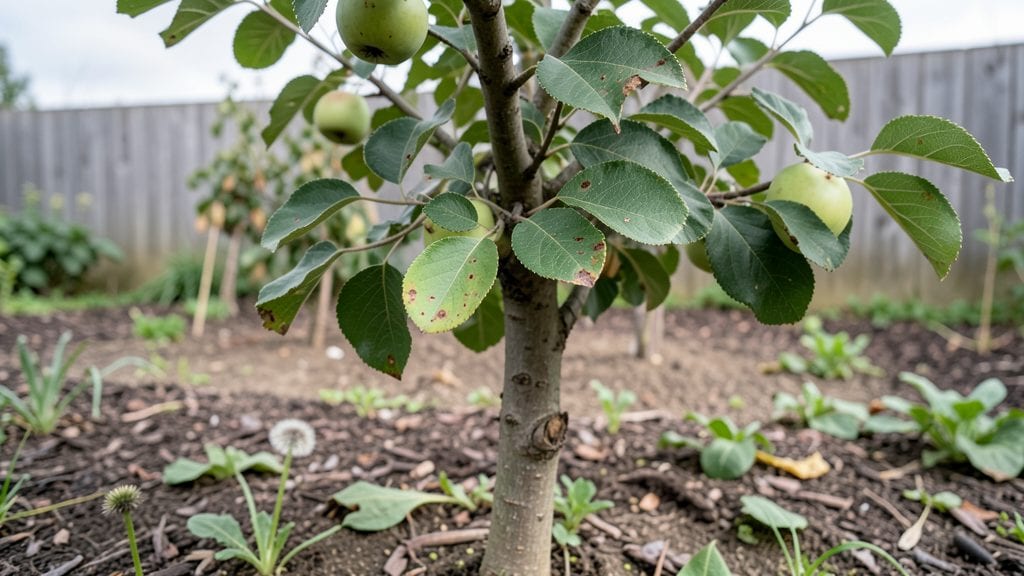
Rust spots on apple tree leaves turn vibrant green into a patchwork of orange-brown splotches that spread faster than you’d expect. 🌿 I’ve seen this fungus transform a healthy-looking tree into a defoliating mess within weeks—until I learned the three organic fixes that actually work.
The key isn’t just spraying something; it’s timing, prevention, and knowing which spots to ignore (yes, some are harmless).
This problem usually starts when spores from nearby juniper bushes hitch a ride on wind or rain. The orange pustules on undersides of leaves? That’s your tree’s distress signal.
Most store-bought fungicides mask the issue temporarily, but the real fix comes from copper sprays, neem oil, and proper pruning—all tools you can grab this weekend for under $20. The best part? These methods work whether you’ve got one tree or a whole orchard.
By next spring, your tree will push out fresh leaves without a single rust spot in sight. The secret’s in the timing: treat in early spring before buds swell, and again after harvest when spores are most active.
You’ll also learn which varieties resist rust better—so you can plan next year’s planting with confidence. Let’s get that tree back to producing apples instead of fungus food.
This works for home gardeners in zones 4-8, though timing shifts slightly north or south. If your tree keeps losing leaves year after year despite treatment, that’s when you call in a pro—usually a sign of deeper stress.
But for 90% of cases, these steps bring trees roaring back to life.
The Hidden Culprits Behind Rust Spots
Rust spots on apple tree leaves aren’t just an unsightly nuisance—they’re a clear sign that a fungal pathogen has taken up residence in your orchard. Understanding the root causes helps you tackle the problem before it spreads to your fruit.
Here’s a breakdown of the key triggers behind these pesky orange or reddish-brown spots.
The most common culprit behind rust spots on apple leaves is the fungus Gymnosporangium juniperi-virginianae (for cedar-apple rust) or Puccinia spp., which thrive in damp, cool conditions. These fungi produce spores that latch onto apple leaves, causing:
- Orange or rust-colored pustules on the underside of leaves (often visible as yellow spots on top).
- Premature leaf drop, weakening the tree’s ability to photosynthesize.
- Stunted fruit growth if the disease progresses.
Fungi like these are obligate parasites, meaning they require a living host (your apple tree) to survive. They spread via wind, rain, or even contaminated tools.
Fungal spores need specific conditions to germinate and infect leaves. Here’s what sets the stage for an outbreak:
- High humidity (70%+) and rainfall: Wet leaves create a film that spores cling to, making it easier for them to penetrate leaf tissue.
- Cool temperatures (50–70°F): Fungi like Gymnosporangium thrive in spring and fall when nights are chilly but days warm up.
- Frequent leaf wetness: Morning dew or overhead irrigation keeps spores active longer.
Pro Tip: 🌡️ If your area has consistent rain or foggy mornings during apple tree bloom, rust spores are likely hitching a ride on the wind.
Many rust fungi have a two-host lifecycle, meaning they alternate between apple trees and another plant—often juniper or cedar. For example:
- Cedar-apple rust starts on juniper bushes, then jumps to apples when spores mature in spring.
- Hawthorn rust can also infect apples if hawthorn trees grow nearby.
If you have juniper, cedar, or hawthorn shrubs within a mile of your apple tree, you’re essentially giving the fungus a launchpad to infect your orchard. Even dormant spores can survive in bark or fallen needles for years.
A stressed or weakened apple tree is like an all-you-can-eat buffet for fungi. Common stressors that leave trees vulnerable:
| Stressor | How It Helps Fungi |
|---|---|
| Nutrient deficiencies (especially nitrogen or zinc) | Weakens leaf cell walls, making them easier targets for spores. |
| Overwatering or poor drainage | Waterlogged roots starve leaves of oxygen, reducing their ability to fight infections. |
| Physical damage (from hail, pests, or pruning cuts) | Open wounds let spores bypass the tree’s natural defenses. |
| Compacted or unhealthy soil | Limits root growth, so the tree can’t support strong foliage. |
Pro Tip: ✨ Healthy trees resist rust better. Focus on balanced fertilization, proper pruning, and mulching to build resilience.
Fungal spores are tiny but tough. They can hitch a ride on:
- Pruning shears or saws used on infected trees.
- Garden gloves or clothing that brush against rusty leaves.
- Even wind or wildlife (like birds or squirrels) can carry spores to new trees.
If you’ve noticed rust spots in one part of your orchard, sterilize tools with 70% rubbing alcohol or a bleach solution (1 part bleach to 9 parts water) before moving to another tree. This breaks the chain of infection.
Quick Fixes for Leaf Rust
Rust spots on apple tree leaves may seem like a hopeless battle, but with the right approach, you can restore your tree’s health—and even prevent future outbreaks. The key is identifying the root cause (whether it’s Gymnosporangium, Puccinia, or environmental stress) and applying targeted, organic solutions.
Below, we break down the fixes by cause, plus long-term prevention tips to keep your tree thriving.
If your leaves are covered in orange, brown, or yellow rust spots, a fungal infection is likely the culprit. Here’s how to tackle it:
🔪 Step 1: Remove Infected Leaves & Branches
- 🌿 Action: Snip off heavily infected leaves and small branches (up to 1 foot long) using clean, sharp pruners. Dispose of them in the trash not the compost—fungal spores can survive decomposition.
- ⏰ When: Do this in early spring (before buds swell) or fall (after leaf drop) to minimize spore spread.
🍄 Step 2: Apply Organic Fungicides
Skip the harsh chemicals! These natural sprays work just as well:
| Solution | How to Use | Best Time |
|---|---|---|
| Neem Oil Spray | Mix 2 tbsp neem oil + 1 tsp mild soap in 1 gallon of water. Spray undersides of leaves (where spores hide). | Spring (before bloom) & late summer |
| Baking Soda Solution | 1 tbsp baking soda + 1 tsp oil + 1 gallon water. Spray every 7–10 days during wet seasons. | Early spring & after rain |
| Copper Fungicide (organic-certified) | Follow label rates. Reapply after heavy rain. | Late fall & early spring |
🌡️ Step 3: Improve Airflow & Reduce Moisture
- 💡 Pro Tip: Thin out dense branches to let sunlight and air circulate. Avoid overhead watering—use drip irrigation instead.
- ✨ Bonus: Mulch with wood chips (not leaves) to keep the soil dry and discourage fungal growth.
If rust spots appear in patches or after extreme weather, your tree might be struggling with stress. Try these fixes:
💧 Step 1: Check Watering Practices
- 🌧️ Problem: Overwatering or poor drainage leads to soggy roots, inviting fungal growth.
- 👨🍳 Fix: Water deeply 1–2 times per week (depending on climate) and ensure the soil drains well. Test drainage by digging a 6-inch hole—if water pools after 30 minutes, amend soil with compost.
🌿 Step 2: Boost Tree Health with Nutrients
- 💪 Weak trees attract fungi. Feed your apple tree with:
- Compost tea (homemade or store-bought) for microbial balance.
- Balanced organic fertilizer (10-10-10 or similar) in early spring.
- Epsom salt spray (1 tbsp per gallon of water) for magnesium, which strengthens leaves.
☀️ Step 3: Shield from Harsh Conditions
- 🌡️ Extreme heat or cold weakens trees. If your area has sudden temperature swings:
- Mulch heavily (3–4 inches) to regulate soil temp.
- Provide shade cloth in scorching summers if your tree is young.
An ounce of prevention is worth a pound of cure! Follow these habits to keep rust spots at bay:
- 🌱 Plant resistant varieties: Choose apple cultivars like ‘Liberty’ or ‘Enterprise,’ bred to resist common rust diseases.
- 🍂 Clean up fallen leaves: Rake and remove all debris from under the tree in fall to eliminate overwintering spores.
- 🔄 Rotate sprays: If you use fungicides, alternate between neem oil, copper, and baking soda to prevent resistance.
- 🐞 Encourage beneficial insects: Ladybugs and lacewings prey on fungal spores. Plant companion flowers like marigolds or alyssum nearby to attract them.
With these steps, your apple tree can bounce back in just a few weeks—rust-free and ready to produce delicious fruit. Consistency is key, so stick to the routine, and your tree will thank you with vibrant leaves and bountiful harvests!
Frequently asked questions about apple tree leaf rust
Why do my apple tree leaves have orange-brown spots that look like rust?
Those spots are likely caused by fungal diseases like Gymnosporangium juniperi-virginianae (cedar-apple rust) or Puccinia species. The fungus thrives in damp, cool conditions and creates orange pustules on leaf undersides while showing yellow patches on top. These spots weaken your tree by blocking sunlight and causing premature leaf drop.
Can I save my apple tree if it already has rust spots?
Yes! Start by pruning infected branches (dispose of them in the trash, not compost) and applying organic fungicides like neem oil or copper spray. Improve airflow by thinning dense branches and watering at the base instead of overhead. With consistent care, most trees recover fully within 2-3 weeks of treatment.
Do juniper bushes near my apple tree cause rust spots?
Many rust fungi have a two-host lifecycle, meaning they alternate between apple trees and juniper bushes. When spores mature on junipers in spring, wind carries them to apple leaves. If possible, remove junipers within 50 feet of your tree or at least prune them regularly to reduce spore production.
Will baking soda really help treat rust spots?
Yes! A simple baking soda solution (1 tbsp baking soda + 1 tsp oil + 1 gallon water) creates an alkaline environment that fungal spores dislike. Spray it on leaves every 7-10 days during wet seasons. For best results, apply in the early morning so the solution dries before evening dew forms.
When is the best time to treat rust spots on apple trees?
Act in early spring (before buds swell) and late summer (after harvest) when fungal spores are most active. Avoid treating during bloom to protect pollinators. If your area has consistent rain or high humidity, add a third treatment in fall to prevent overwintering spores.