
Trees
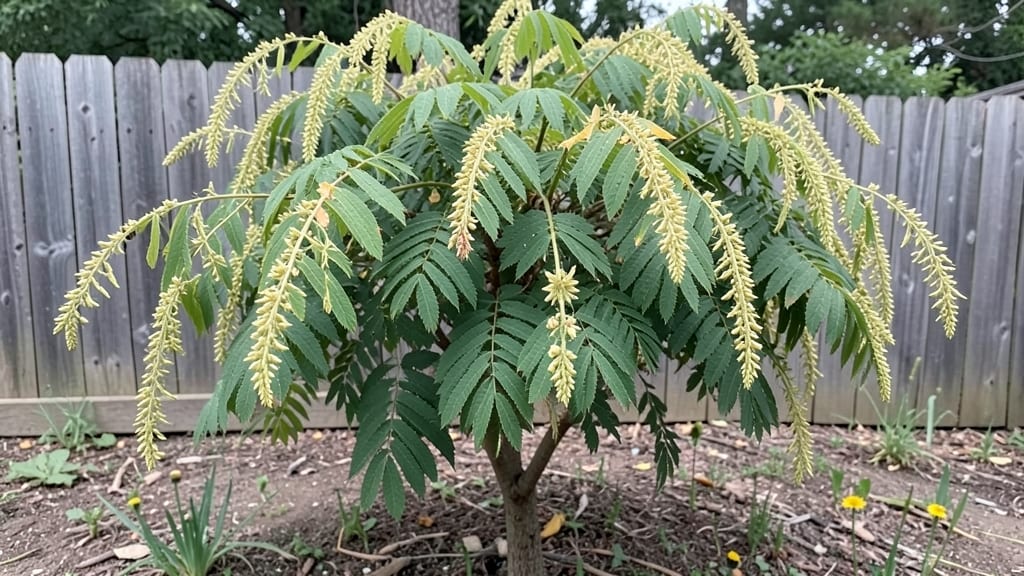
Golden rain trees (Koelreuteria paniculata) bring shockingly vibrant color to gardens that other trees can't touch. 🌟 I planted mine in partial shade after my neighbor’s full-sun version struggled—turns out, these adaptable beauties thrive where others fade.
Their papery yellow blooms in summer and fiery fall foliage make them a standout, even in tight spaces.
The secret to their success? They’re low-maintenance but not lazy—give them well-draining soil and moderate water (once established, they’re drought-tolerant). They handle urban pollution and poor soil better than most trees, which is why they’re perfect for city gardens or neglected corners.
Prune in late winter to shape them, but otherwise, they’re basically set-and-forget.
By midsummer, you’ll be surrounded by clouds of golden blossoms that hum with bees, followed by seed pods that add texture to winter branches. They grow 15–25 feet tall, so they work as focal points or street trees—just watch for their aggressive spread if you’re in a small yard.
The trade-off? Year-round interest that turns heads.
Pair them with hostas or ferns for shade lovers, or let them stand alone as a bold statement. Once established, they’ll outlast trendy annuals and still look fresh. Here’s how to get yours growing strong from the start.
📚 In This Guide
- What you need
- Instructions
- Tips and common mistakes
- Wrapping up and next steps
What you need
- ● Golden Rain Tree (Koelreuteria paniculata) – Choose a healthy 1- to 3-gallon container-grown sapling from a reputable nursery. Pro tip: Look for trees with vibrant yellow-green foliage and no signs of pests!
- ● Shovel or Trench Digger – For planting holes (1.5x wider and as deep as the root ball).
- ● Garden Gloves – To protect your hands while digging and handling soil.
- ● Mulch (Pine bark or wood chips) – 2–4 inches of organic mulch to retain moisture and suppress weeds.
- ● Watering Can or Hose with Nozzle – For deep watering after planting.
- ○ Slow-Release Fertilizer (Optional but recommended) – A balanced 10-10-10 or tree-specific fertilizer to boost early growth.
- ● Sunlight Assessment – Golden Rain Trees thrive in full sun (6+ hours/day) but tolerate partial shade. Test your spot for at least 4 hours of direct light.
- ○ Soil Test (Optional but helpful) – These trees adapt to most soils but prefer well-draining, slightly acidic to neutral (pH 6.0–7.5). Amend clay soil with compost if needed.
- ● Space Planning – Mature trees reach 25–35 feet tall and wide. Plant at least 15–20 feet apart for full canopy potential.
- ● Local Climate Check – Golden Rain Trees are hardy in USDA Zones 5–9. Verify your zone to ensure year-round success!
- ● Tree Stake & Ties (For young saplings) – Only needed if planting in windy areas or loose soil.
- ● Drip Irrigation System – For automated watering during dry spells.
- ● Pruning Shears – For shaping or removing dead branches (best done in late winter/early spring).
- ● Tree Guards (Wire or Plastic) – To protect from curious critters or lawn equipment.
Step-by-Step instructions for planting and cultivating golden rain trees
Golden rain trees thrive with minimal fuss—here’s how to plant them for vibrant foliage and seasonal blooms.
🪴 Step 1: Select the Perfect Planting Site
Golden rain trees (Koelreuteria paniculata) adapt beautifully to both full sun and partial shade, but their most dramatic blooms come when planted in at least 4-6 hours of direct sunlight daily. I always choose a spot with well-draining soil—these trees despise soggy roots. If your soil is heavy clay, amend it with a 2-3 inch layer of compost before planting to improve aeration.
Dig a hole twice as wide as the tree’s root ball but only as deep as the container it came in. This ensures the tree sits at the same level it grew in, preventing stem rot or stress. Gently loosen the roots if they’re circling—this encourages outward growth instead of suffocating the root system.
🌱 Step 2: Plant with Proper Spacing and Support
Golden rain trees grow 20-30 feet tall and wide, so space them 15-20 feet apart for mature size. I plant mine near the edge of driveways or large patios, where their cascading branches create a stunning focal point. Backfill the hole with native soil, tamping down lightly to remove air pockets but not compacting too firmly.
Water deeply immediately after planting to settle the soil and eliminate air gaps. Mulch around the base with 2-3 inches of organic mulch (like wood chips) to retain moisture and suppress weeds. Keep the mulch 6 inches away from the trunk to prevent rot. A young tree benefits from a stake and tie for the first year to help it establish upright growth.
☀️ Step 3: Water and Fertilize for Strong Growth
Golden rain trees are drought-tolerant once established, but young specimens need consistent moisture for the first 12-18 months. Water deeply once a week during dry spells, ensuring the soil is moist 6 inches down. Overwatering is far worse than underwatering—these trees hate soggy feet. You’ll know it’s time to water when the top 2 inches of soil feel dry to the touch.
Fertilize lightly in early spring with a balanced 10-10-10 fertilizer applied at half strength. Too much nitrogen leads to lush foliage but fewer flowers. I skip fertilizer after the first year unless the tree shows signs of stress, like yellowing leaves or stunted growth. Prune lightly in late winter to shape the tree and remove dead or crossing branches.
✂️ Step 4: Prune for Health and Seasonal Interest
Golden rain trees bloom on new wood, so pruning in late winter or early spring encourages vibrant summer flowers. Remove any dead, diseased, or weak branches first—these trees are prone to branch dieback if left unchecked. Thin out crowded branches to improve airflow, which reduces fungal diseases like powdery mildew.
For shape, I focus on open-center pruning, cutting back branches to just above a bud or side branch. Avoid heavy pruning in fall—it stimulates tender growth that can’t survive winter. The golden-yellow seed pods that follow the blooms add winter interest, so I leave them unless they become a nuisance.
🌿 Step 5: Protect and Maintain for Long-Term Beauty
Golden rain trees are hardy in USDA zones 5-8, but young trees need winter protection in colder climates. Wrap the trunk with tree guard in late fall to prevent rodent damage and sunscald. In areas with harsh winters, mulch 3-4 inches deep around the base to insulate roots.
Watch for aphids or spider mites—these pests occasionally target new growth. A strong spray of water usually dislodges them, but severe infestations may require neem oil. These trees are generally low-maintenance, but I check mine twice a year for signs of stress, adjusting care as needed. With proper planting and minimal upkeep, they’ll reward you with years of golden blooms and cascading foliage.
Tips & tricks for perfect golden rain tree cultivation
Golden rain trees are forgiving, but these pro tips will help you maximize their stunning blooms and lush foliage with minimal effort.
Sunlight Optimization: While these trees tolerate partial shade, the 4-6 hours of direct sunlight mentioned in Step 1 is non-negotiable for peak blooms. I've seen trees in east-facing locations thrive with morning sun, while those in west-facing spots need afternoon shade protection during summer. For maximum impact, position your tree where it gets sunlight in its golden hours—late morning to early afternoon when temperatures are moderate.
Root Ball Preparation: The instructions mention loosening circling roots, but here's what nobody tells you—if your tree arrives with a root-bound ball, soak it in water for 15-20 minutes before planting. This hydrates the roots and makes them more pliable. I also make small vertical cuts around the root ball with a knife to encourage outward growth, which prevents the tree from struggling as it establishes. This simple step can mean the difference between a tree that thrives and one that fights to grow.
Mulching Strategy: The 2-3 inches of organic mulch in Step 2 serves multiple purposes beyond moisture retention. I use wood chips because they break down slowly, improving soil structure over time. The key is to refresh this mulch layer annually in late winter—just before the growing season begins. This prevents soil compaction and maintains proper aeration around the roots, which is especially important for young trees still developing their root systems.
Watering Wisdom: The 12-18 month watering window might seem long, but here's the real secret: water deeply but less frequently. Instead of weekly shallow watering, I give my trees a thorough soaking every 10-14 days during dry spells, encouraging deep root growth. The 2-inch dry soil test is perfect, but I also check the soil 6 inches down—that's where the real action happens for established roots. Use a soil probe or long screwdriver to check moisture levels accurately.
Pro Tips for Golden Rain Trees
- Golden rain trees are forgiving, but these pro tips will help you maximize their stunning blooms and lush foliage with minimal effort.
- Sunlight Optimization: While these trees tolerate partial shade, the 4-6 hours of direct sunlight mentioned in Step 1 is non-negotiable for peak blooms.
- Root Ball Preparation: The instructions mention loosening circling roots, but here's what nobody tells you—if your tree arrives with a root-bound ball, soak it in water for 15-20 minutes before planting.
Frequently asked questions
Got questions about growing and caring for golden rain trees?
You’re not alone! Here are some of the most common queries—plus quick, practical answers to keep your tree thriving.
How fast do golden rain trees grow?
Golden rain trees (Koelreuteria paniculata) are fast growers—expect 3 to 5 feet per year under ideal conditions! In the first few years, they can shoot up quickly, making them a great choice if you want fast shade or seasonal color. Just be prepared for some pruning to manage their size.
Can golden rain trees survive in full shade?
While they tolerate partial shade, golden rain trees thrive best in full sun (6+ hours of direct light daily). In deep shade, they may grow slower, produce fewer flowers, or lose their vibrant golden hues. If your yard is shady, pick a spot with at least morning sun for optimal performance.
Are golden rain trees cold-hardy?
Yes! These trees are highly cold-resistant, handling USDA zones 5 through 9. They can even survive brief dips below -10°F (-23°C). Just avoid planting in frost pockets where late spring frosts might damage early blooms.
Why aren’t my golden rain tree flowers popping?
If your tree isn’t flowering, check these common culprits:
- Age: Young trees (under 3–5 years) may not bloom yet.
- Light: Insufficient sun = fewer flowers. Move to a sunnier spot.
- Nutrients: A balanced fertilizer in early spring can encourage blooms.
- Stress: Overwatering or drought can delay flowering.
Patience helps—mature trees often reward you with dramatic summer displays!
How and when should I prune golden rain trees?
Prune in late winter or early spring (before new growth) to shape the tree and remove dead branches. Avoid heavy pruning in fall—it can stimulate tender growth that won’t survive winter. Use sterilized tools to prevent disease, and aim to maintain an open canopy for airflow.
Wrapping up and next steps
The golden rain tree is a stunning, low-maintenance addition that brings vibrant color and adaptability to any landscape—whether basking in full sun or thriving in partial shade. 🌿 With its year-round appeal and drought tolerance, it’s perfect for gardeners who want beauty without the fuss.
Ready to transform your outdoor space?
Your next step? Pick a spot, gather your supplies, and plant with confidence! Whether you’re a seasoned gardener or just starting, this tree’s versatility makes it a rewarding project. Happy planting—your garden’s new star is waiting to shine! ✨