
Trees
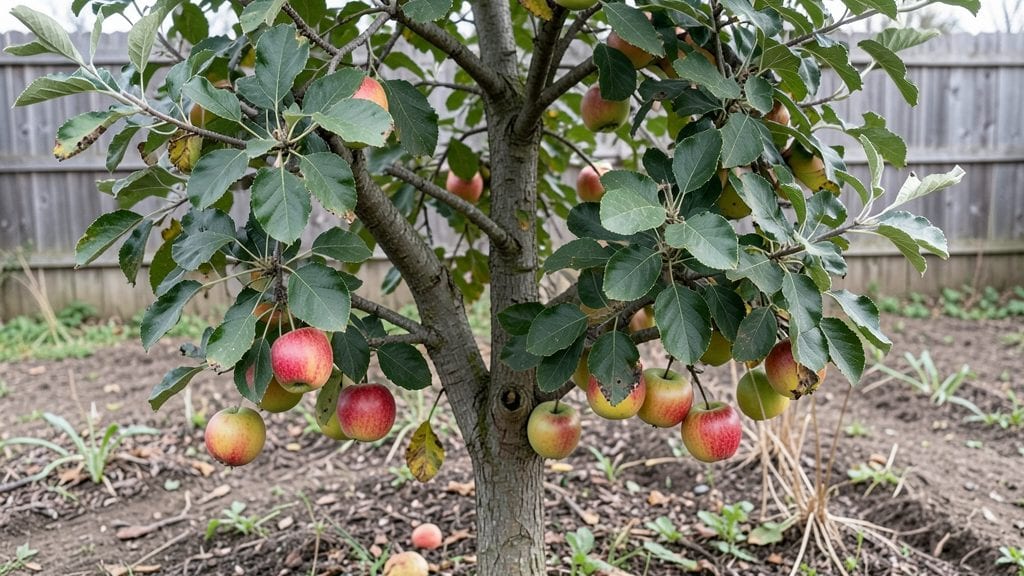
A Honeycrisp apple tree 🍎 can grow 15 to 25 feet tall at maturity, easily outpacing a two-story house—but that doesn’t mean your dream orchard is out of reach.
If you’re dreaming of growing Honeycrisp apples but worried about space, understanding their mature height is the first step to planning your orchard—whether you have a backyard or just a balcony. The good news? Dwarf varieties stay under 12 feet, making them perfect for containers or tight spaces.
Beyond size, factors like pruning, soil quality, and your USDA zone (like 6a) can shape how tall your tree becomes. I’ll break down how to control growth, the best spacing for home gardens, and whether these sweet, crisp fruits are worth the commitment—even in small yards.
Ready to grow? You’ll learn how to choose the right size, avoid common mistakes that stunt growth, and keep your Honeycrisp thriving without sacrificing space.


Mature height of Honeycrisp apple trees: standard vs dwarf varieties explained
Choosing the right Honeycrisp apple tree size starts with understanding their mature height—because a 25-foot standard tree won’t fit in most backyards, while a dwarf variety can thrive in containers.
The key difference lies in their rootstock: standard trees grow tall naturally, while dwarf and semi-dwarf varieties are genetically modified to stay compact. This choice directly impacts your harvest yield, pruning needs, and even fruit quality.
If you’re working with limited space, dwarf Honeycrisp trees are your best bet—they reach just 8-12 feet tall, making them perfect for urban gardens or small patios. Semi-dwarf varieties strike a balance at 12-18 feet, ideal for suburban yards.
Meanwhile, standard trees can tower 20-30 feet, requiring careful planning for both space and maintenance. Your decision will shape everything from tree spacing to long-term care strategies.
Here’s a quick comparison to help you visualize the differences before planting:
The dwarf Honeycrisp trees grow the slowest but produce fruit earlier—often within 2-3 years—while standard varieties take 5-7 years to bear fruit. This makes dwarf trees a great choice for impatient gardeners!
However, their smaller size means slightly lower yield per tree, so you’ll need to plant more if you want a full harvest. For example, a 10-foot dwarf tree might produce 50-100 apples annually, while a 25-foot standard tree could yield 200-400 apples.
Your climate zone also affects growth—cooler regions may see slower height increases, while warmer zones can push trees to mature faster.
In USDA Zone 6a (like much of the Midwest), a dwarf Honeycrisp might reach 10 feet in 5 years, while in Zone 8a (Southern California), it could hit 12 feet in the same time. Always check your local frost dates too, as late frosts can stunt early growth.
Pruning plays a huge role in managing height. With standard trees, you’ll need to prune annually to control spread, while dwarf varieties benefit from open-center pruning to improve airflow and fruit access.
I recommend using a 3-step pruning approach: remove dead wood first, then thin out competing branches, and finally shape the tree for optimal sunlight exposure. This keeps your Honeycrisp tree healthy and productive without letting it grow unchecked.
For small-space gardening, consider container growing. Dwarf Honeycrisp trees thrive in 15-gallon pots with well-draining soil and regular watering. Just ensure the container has drainage holes and move it to a sunny spot during winter if temperatures drop below 20°F.
With containers, you can even grow multiple dwarf trees side by side, creating a mini orchard on a balcony or driveway.
If you’re torn between varieties, think about your long-term goals. Standard trees offer the most fruit but require heavy pruning and large yard space. Semi-dwarf trees are a compromise, while dwarf trees give you flexibility and early harvests.
I’ve found that semi-dwarf Honeycrisp trees strike the best balance for most home gardeners—they’re manageable yet productive, and their 12-18 foot height fits well in suburban backyards.
Remember, the rootstock determines 70% of a tree’s mature size, so always check the label when buying. Popular rootstocks for dwarf Honeycrisp include B.9 (8-10 ft) and M.9 (10-12 ft), while semi-dwarf rootstocks like M.7 or MM.106 keep trees between 12-18 feet.
Choosing the right rootstock upfront saves you years of pruning struggles later.
🌱
How to choose the right Honeycrisp apple tree size for small gardens
Choosing the right Honeycrisp apple tree size can make all the difference in a small garden. Standard varieties can reach 20-30 feet tall, while dwarf and semi-dwarf options stay compact. If space is limited, selecting a dwarf variety (8-12 feet) or a semi-dwarf (12-18 feet) is your best bet.
These smaller trees produce fruit just as sweet but fit neatly into patios or even large containers.
Before you buy, measure your garden’s available space. A standard Honeycrisp tree needs at least 20 feet of clearance in all directions, while a dwarf variety thrives in just 8-10 feet.
If you’re unsure, opt for a semi-dwarf—it offers a balance between size and productivity. Remember, trees grow taller over time, so plan for their mature height.
- Standard Honeycrisp: 20-30 ft tall, needs full yard space
- Semi-Dwarf Honeycrisp: 12-18 ft tall, fits small backyards
- Dwarf Honeycrisp: 8-12 ft tall, ideal for containers or patios
- Columnar Honeycrisp: 6-10 ft tall, ultra-compact for tight spaces
If you’re growing in a container, prioritize dwarf or columnar varieties. Use a large pot (at least 18-24 inches wide) with drainage holes and fill it with well-draining soil. Container-grown trees need regular pruning to control height and encourage fruit production.
Place the pot in a sunny spot—6+ hours of sunlight daily—and water deeply when the top inch of soil feels dry.
Pruning is key to managing your Honeycrisp apple tree’s height, especially in small spaces. Start by removing suckers and water sprouts in early spring. Thin out crowded branches to improve airflow and sunlight penetration.
For dwarf trees, limit pruning to shaping rather than drastic height reduction. Use sharp, clean pruners to avoid damaging the tree.
Consider espalier training if you’re working with limited vertical space. This technique involves training branches horizontally along a fence or trellis, keeping the tree low while maximizing fruit production.
It’s perfect for balconies or small gardens and adds an aesthetic touch. Just be patient—it takes 2-3 years to establish a well-trained espalier.
Finally, don’t overlook soil health and nutrition. Healthy soil supports compact growth, even in smaller trees. Amend your soil with compost or organic matter before planting, and fertilize lightly in spring and summer with a balanced 10-10-10 NPK fertilizer.
Avoid over-fertilizing, which can lead to excessive growth and weaker fruit production.