
Size
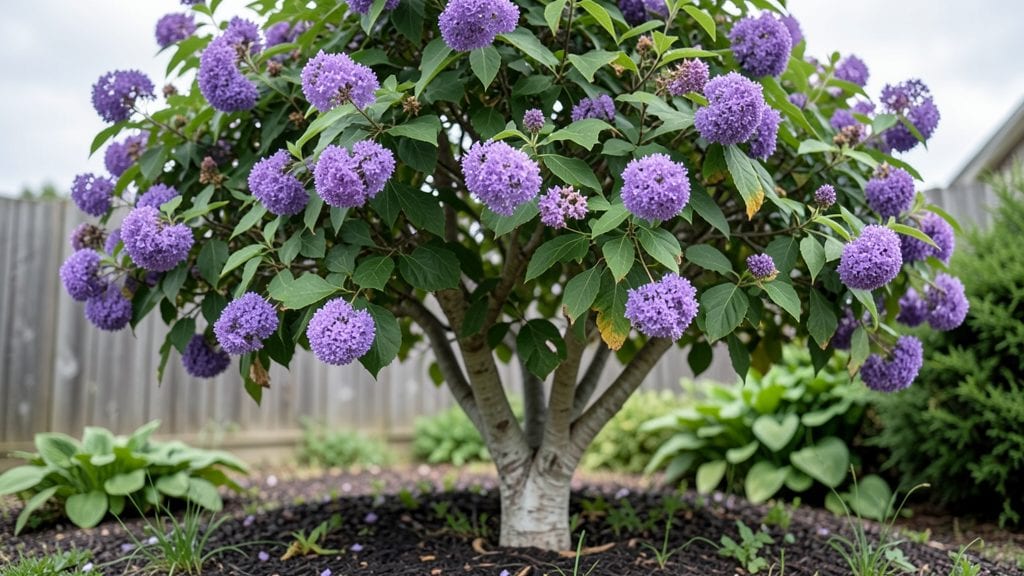
Growing a tall crepe myrtle tree from a small sapling into a privacy screen is one of the most satisfying gardening feats—especially when it happens in just three years. 🌿 I planted mine last spring, and by summer’s end, it stood taller than my fence, its peeling bark already showing off that signature charm.
The secret isn’t some fancy trick; it’s matching this sun-hungry tree to the right spot, feeding it what it craves, and giving it space to stretch its legs.
Crepe myrtles thrive where others struggle: full sun, well-draining soil, and surprisingly little fuss. Most people overwater them or prune at the wrong time—both kill that rapid growth you’re after.
Start with a 5-gallon container at planting, dig a hole twice as wide as the root ball, and mix in some compost for that first boost. Water deeply once a week after establishment (yes, even in summer), and you’ll see those branches shoot up like they’re in a race.
By year three, your tree could be 20 feet tall with a trunk thick enough to wrap your arms around. The blooms arrive in summer like clockwork—lavender, pink, or white clusters that hum with bees—while the fall foliage turns fiery red before the leaves drop.
The best part? It stays lush through droughts that kill less resilient trees. Just avoid heavy pruning until winter, when the branches are bare and easy to shape.
Works in zones 6-9, handles heat like a champ, and even tolerates urban pollution once established. The only real challenge is patience—those first two years are about roots, not height.
But trust me, the payoff is worth every drop of water and square foot of space. Let’s get that tree growing tall and proud.
📚 In This Guide
- What you need
- Instructions
- Tips and common mistakes
- Wrapping up and next steps
What you need
- ● Crepe myrtle sapling: Choose a fast-growing variety like Lagerstroemia indica (e.g., 'Natchez,' 'Tonto,' or 'Muskogee'). Opt for a 3–4 ft tall, 1–2 inch caliper plant for quicker growth.
- ● High-quality potting mix: 10–15 gallons of a well-draining blend (e.g., 50% garden soil, 30% compost, 20% perlite/sand). No soggy roots allowed!
- ● Fertilizer: Slow-release granular fertilizer: 1 lb (look for a balanced 10-10-10 or 12-12-12 formula).
- ○ Organic option (optional): 2–3 cups of fish emulsion or worm castings for a nutrient boost.
- ● Mulch: 3–4 inches of wood chips or shredded bark (keep it 6 inches away from the trunk to prevent rot).
- ● Watering supplies: Garden hose with adjustable nozzle (or a 5-gallon watering can for young plants).
- ○ Drip irrigation kit (optional but recommended) for deep, consistent watering.
- ● Pruning tools: Bypass pruners (for clean cuts on small branches).
- ● Loppers (for thicker branches as it grows).
- ○ Hand saw (optional) for stubborn branches.
- ● Support stakes: 2–3 wooden or metal stakes (4–5 ft tall) + soft tree ties to secure young plants during storms.
- ● Sunlight: A full-sun location (6+ hours/day). Crepe myrtles thrive in bright light—no shade allowed!
- ● Well-draining soil: Test your soil’s pH (6.0–7.0 is ideal). Amend clay soil with sand or compost.
- ● Spacious planting area: Ensure 10–15 ft of clearance between plants and structures (they grow 20–30 ft tall!).
- ● Patience (but not too much!): With proper care, your crepe myrtle can grow 6–8 ft in its first year and reach privacy height in 3 years.
How to grow a towering crepe myrtle privacy screen in 3 years
Crepe myrtles grow fast and dramatic—here’s how to plant them for maximum height and impact.
🌱 Step 1: Pick the Perfect Planting Spot
Crepe myrtles thrive in full sun, so choose a location with at least 6-8 hours of direct sunlight daily. They tolerate heat and drought once established, but their best growth happens in well-drained soil with 6-8 feet of unobstructed space for their mature height. Avoid low spots where water pools—roots rot quickly in soggy soil.
Dig a hole twice as wide as the root ball but only as deep. Loosen the sides of the hole with a shovel to encourage root spread. If your soil is heavy clay, mix in a few handfuls of compost to improve drainage. The goal is to plant at the same depth as the nursery pot—never deeper, or the trunk will suffocate.
🪴 Step 2: Plant and Stake for Stability
Gently remove the crepe myrtle from its container and tease the roots outward if they’re circling. Place the tree in the hole, backfilling with native soil (no amendments needed unless your soil is extremely poor). Press firmly around the edges to eliminate air pockets, then water deeply to settle everything.
Stake the tree only if it’s top-heavy or in a windy area. Use two stakes on opposite sides, tied loosely with soft fabric strips—tight straps can girdle the trunk as it grows. Mulch with 2-3 inches of organic mulch, keeping it 6 inches away from the trunk to prevent rot. Water again until the soil is moist 12 inches deep.
☀️ Step 3: Prune for Height and Structure
Prune in late winter or early spring before new growth begins. Remove any dead, crossing, or weak branches first. Then cut back the previous year’s growth by 1/3 to 1/2 to encourage bushier, taller growth. Avoid "heading back" (cutting into old wood)—crepe myrtles bloom on new wood, and severe pruning reduces flowers.
Watch for "crepe myrtle bark scale," a common pest that weakens trees. If you see white fluffy growth on branches, spray with horticultural oil in early spring. Prune again lightly in summer to shape, but avoid heavy cuts—this stresses the tree and slows height growth.
💧 Step 4: Water Deeply and Less Often
Water newly planted crepe myrtles 1-2 times per week for the first year, soaking the soil to 12 inches deep each time. After that, they’re drought-tolerant but grow faster with deep watering every 10-14 days during dry spells. Overwatering is worse than underwatering—yellow leaves signal too much moisture.
By year three, your tree should reach 10-15 feet tall with proper care. If growth stalls, check for compacted roots or poor drainage. Aerate the soil around the base if it feels hard when pressed—crepe myrtles need room to spread their roots.
Tips & tricks for growing a towering crepe myrtle privacy screen
These simple strategies will help you maximize your crepe myrtle's growth potential and avoid common pitfalls that slow down height development.
The Sunlight Secret: While crepe myrtles thrive in full sun, not all sun is equal. The 6-8 hours of direct sunlight mentioned in Step 1 should be morning sun when possible—afternoon sun can stress the tree. If your location gets intense afternoon heat, consider providing afternoon shade during the first year to help the tree establish stronger roots before reaching its full height.
Root Spread Strategy: When planting, focus on creating a wide planting hole rather than a deep one. The instructions mention digging a hole twice as wide as the root ball—this is crucial because crepe myrtles spread their roots horizontally to support that towering growth. Loosen the soil at the bottom and sides of the hole to encourage roots to grow outward rather than circling, which can stunt vertical growth.
Pruning Precision: The 1/3 to 1/2 pruning recommendation in Step 3 is perfect for encouraging height, but timing matters too. I like to do my first pruning in early spring when new growth begins—this gives the tree energy to focus on vertical growth. Avoid pruning in late summer or fall, as new growth won't have time to harden off before winter, which can weaken the tree's ability to reach that 10-15 foot height goal.
Watering Wisdom: Those 1-2 times per week waterings in the first year are critical, but how you water matters just as much as how often. Use a soaker hose or drip irrigation to deliver water slowly to the root zone, keeping it moist 12 inches deep as instructed. Shallow watering encourages roots to stay near the surface, which limits the tree's ability to develop the deep root system needed for that dramatic height growth.
Pro Tips for Tall Crepe Myrtle Tree
- These simple strategies will help you maximize your crepe myrtle's growth potential and avoid common pitfalls that slow down height development.
- The Sunlight Secret: While crepe myrtles thrive in full sun, not all sun is equal.
- Root Spread Strategy: When planting, focus on creating a wide planting hole rather than a deep one.
Frequently asked questions
Got questions about growing a tall crepe myrtle tree? You’re not alone—this fast-growing, sun-loving beauty is packed with potential (and a few quirks!). Here are the answers to the most common queries to help you plant with confidence.
How tall can a crepe myrtle grow in 3 years?
A tall crepe myrtle tree (like the ‘Natchez’ or ‘Muskogee’ varieties) can reach 15–25 feet in ideal conditions within 3 years, especially with proper pruning and care. Dwarf varieties (e.g., ‘Arapaho’) stay under 6 feet. Pro tip: Plant in full sun (6+ hours/day) and well-draining soil for maximum growth!
Can crepe myrtles handle cold winters?
Most crepe myrtles are hardy to USDA Zones 6–9, but young trees may need winter protection (e.g., wrapping the trunk or using burlap). Varieties like ‘Tonto’ (Zone 5) are cold-hardy, while tropical types (e.g., ‘Biloxi’) prefer milder climates. Watch for: Frost cracks or bud damage—prune dead branches in early spring.
When and how should I prune a tall crepe myrtle?
Prune late winter or early spring (before new growth starts) to shape the tree and remove dead wood. Avoid “crepe murder”—never cut into the trunk or “hedge” the top. Instead, focus on thinning branches to improve airflow. Bonus: Pruning encourages those stunning summer blooms!
What’s the best alternative if I need faster privacy?
If you want fast-growing privacy but crepe myrtles are too slow for your needs, consider:
- Leyland cypress (3–4 ft/year, but invasive in some areas)
- Thuja (Arborvitae) (2–3 ft/year, evergreen)
- Bamboo (clumping types) (aggressive but quick)
Why are my crepe myrtle leaves turning yellow or dropping?
Yellow leaves or defoliation often signal overwatering, underwatering, or pests (like aphids or lace bugs). Check the soil—it should be dry 2–3 inches down between waterings. Pests? Spray with neem oil or introduce ladybugs. Fungal issues? Improve drainage and avoid wetting foliage.
Wrapping up and next steps
Growing a tall crepe myrtle tree is a rewarding way to add instant privacy, beauty, and shade to your landscape—fast! With the right care, these sun-loving giants can reach impressive heights in just a few years, offering year-round appeal with their vibrant blooms and striking bark.
Whether you’re a beginner or a seasoned gardener, this versatile tree is a game-changer for any yard.
Ready to transform your outdoor space? Start by selecting the perfect spot—one with full sun and well-draining soil—and follow the steps above to give your crepe myrtle the best head start. Watch it grow into a stunning focal point in no time! 🌿✨