
Trees
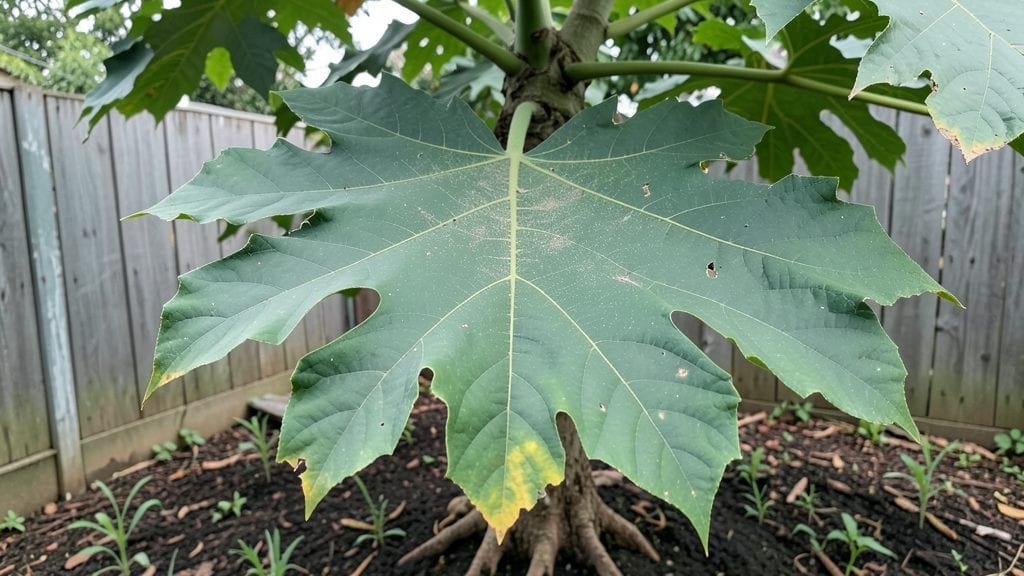
Jackfruit tree leaves grow faster than any other tropical foliage I’ve tried, turning bare spots into dense, year-round greenery in just a few seasons. 🌿 The key isn’t just planting the tree—it’s understanding how those massive, glossy leaves thrive.
They’re not just pretty; they’re the tree’s secret weapon for shade, privacy, and even fruit production down the line.
Healthy leaves start with the right soil mix—sandy loam with plenty of organic matter—and regular pruning to encourage new growth. Yellowing or spotted leaves usually mean overwatering or nutrient deficiencies, but fixing those issues is simpler than you’d think.
With the right care, your jackfruit’s canopy will fill in quickly, giving you that lush, tropical privacy screen you’re after.
📚 In This Guide
- What you need
- Instructions
- Tips and common mistakes
- Wrapping up and next steps
What you need
- ● Jackfruit tree leaves (or seeds/saplings) – 3–5 mature leaves (for propagation) or 1–2 young saplings (for direct planting). Pro tip: 💡 Use healthy, disease-free leaves from a trusted source!
- ○ Well-draining soil mix – 50% garden soil + 30% compost + 20% perlite/sand (for aeration). Optional: Add a handful of worm castings for extra nutrients!
- ● Containers or planting area – 5–10 gallon pots (for seedlings) or a sunny, sheltered spot in your yard (6+ feet wide for full privacy).
- ● Watering can or hose – With a gentle spray nozzle for hydration without damaging tender leaves.
- ○ Fertilizer (optional but helpful) – Balanced 10-10-10 or organic options like banana peel tea for a nutrient boost.
- ● Pruning shears – For trimming leaves or shaping your privacy screen.
- ● Garden gloves – To protect your hands from thorns (jackfruit leaves can be prickly!).
- ○ pH testing kit (optional) – Ensures soil pH is 6.0–7.0 (ideal for jackfruit growth).
- ○ Mulch (optional) – Straw or wood chips to retain moisture and suppress weeds.
- ● Sunlight access – At least 6–8 hours of direct sun daily (jackfruit loves warmth!).
- ● Warm climate – USDA Zones 10–11 (or container-grown in cooler zones with winter care).
- ● Patience! – Fast-growing but may take 1–2 years to reach full lushness.
How to plant and maintain a jackfruit tree for a fast-growing privacy screen
This tropical giant grows quickly and stays lush year-round—here’s how to get started.
🌱 Step 1: Choose the Right Location and Prepare the Soil
Jackfruit trees thrive in full sun, so pick a spot that gets at least 6-8 hours of direct sunlight daily. They’re not picky about soil but prefer well-draining, slightly acidic to neutral pH (6.0-7.5). If your soil is heavy clay, mix in 2-3 inches of compost to improve drainage.
Dig a hole twice as wide as the root ball but only as deep. The top of the root ball should sit level with the surrounding soil—burying it too deep can suffocate the roots. Water the hole thoroughly before planting to help settle the soil around the roots later.
🪴 Step 2: Plant the Tree and Water Deeply
Gently remove the tree from its container and loosen any circling roots with your fingers. Place it in the hole, spreading the roots outward naturally. Backfill with the native soil, tamping lightly every 2 inches to remove air pockets. Avoid compacting the soil too firmly—roots need room to breathe.
Water immediately after planting to help the soil settle and eliminate air gaps. Use 5-10 gallons of water to soak the root zone thoroughly. You’ll know it’s enough when water runs out the drainage holes if planted in a container, or when the soil feels damp 6 inches deep.
☀️ Step 3: Mulch and Protect for Fast Growth
Spread a 3-inch layer of mulch around the base, keeping it 6 inches away from the trunk to prevent rot. Organic mulch like wood chips or shredded bark helps retain moisture and regulates soil temperature. This is especially important in the first year, as young trees establish their root systems quickly.
Jackfruit trees grow 3-6 feet per year under ideal conditions, so protect young trees from strong winds or frost. If you’re in a cooler climate, consider wrapping the trunk with burlap or using a frost cloth during unexpected cold snaps. Watch for new leaves—this is your signal the tree is settling in and ready for regular care.
💧 Step 4: Water and Fertilize for Lush Foliage
Water deeply once a week during the first year, providing 10-15 gallons per tree. After the first year, water only when the top 6 inches of soil feel dry. Overwatering can lead to root rot, so always check moisture levels before watering. Drought-tolerant once established, but young trees need consistent moisture to support rapid growth.
Fertilize lightly in early spring with a balanced, slow-release fertilizer (10-10-10 or similar). Apply ½ cup per year of tree age (e.g., ½ cup for a 1-year-old tree, 1 cup for a 2-year-old). Avoid heavy fertilizers—they can burn roots and encourage leafy growth at the expense of structural strength.
✂️ Step 5: Prune for Shape and Health
Prune only to remove dead, diseased, or crossing branches. Jackfruit trees naturally grow tall and wide, so minimal pruning keeps them healthy. The best time to prune is late winter or early spring, just before new growth begins. Use clean, sharp pruners to make cuts just above a leaf node or branch collar.
If you’re shaping the tree for a privacy screen, focus on removing branches that grow inward or rub against each other. You’ll see new growth within 4-6 weeks—this is your cue that the tree is responding well. Avoid heavy pruning, as jackfruit trees grow best when left to develop their natural canopy.
Tips & tricks for fast-growing jackfruit privacy screens
These little tricks will help your jackfruit tree grow like a tropical dream—lush, fast, and full of life.
Sunlight Secret: That 6-8 hours of daily sun is non-negotiable for fast growth. If your yard has partial shade, plant near the sunniest wall or fence. I’ve seen jackfruit trees grow twice as fast when positioned against a south-facing wall that reflects extra heat. Trust me—this makes all the difference in those first critical months.
Root Ball Rescue: When you remove the tree from its container in Step 2, gently tease apart any circling roots with your fingers. These roots can strangle themselves if left intact. I learned this the hard way after watching a young tree struggle for months because of this simple oversight. The goal is to encourage outward root growth, not tangled knots.
Mulch Magic: That 3-inch layer of mulch isn’t just decoration—it’s your tree’s winter blanket. In hot climates, it keeps roots cool; in cooler areas, it traps heat. I like to add a handful of compost to the mulch layer every few months. This gives your tree a slow-release nutrient boost without the risk of over-fertilizing. Just keep it 6 inches from the trunk to prevent rot.
Watering Wisdom: The 10-15 gallons per week might seem like a lot, but it’s crucial for establishing those deep roots. I use a hose with a gentle spray nozzle to avoid compacting the soil. You’ll know you’ve watered enough when the soil stays damp 6 inches down—stick your finger in to check. Overwatering is just as bad as underwatering for these tropical trees.
Pro Tips for Jackfruit Tree Leaves
- These little tricks will help your jackfruit tree grow like a tropical dream—lush, fast, and full of life.
- Sunlight Secret: That 6-8 hours of daily sun is non-negotiable for fast growth.
- Root Ball Rescue: When you remove the tree from its container in Step 2, gently tease apart any circling roots with your fingers.
Frequently asked questions
Got questions about growing or using jackfruit tree leaves? You’re not alone!
Here are some of the most common inquiries—plus quick, practical answers to help you make the most of these fast-growing, tropical beauties.
How fast do jackfruit tree leaves grow?
Jackfruit trees are seriously fast growers! Under ideal conditions (full sun, well-draining soil, and regular watering), they can grow 3–5 feet per year. Their large, glossy leaves can fill out a privacy screen in just a few seasons—perfect for quick shade or windbreaks.
Can jackfruit tree leaves survive in partial shade?
While they thrive in full sun, jackfruit trees can tolerate partial shade (4–6 hours of sunlight daily). However, expect slower growth and smaller leaves. If you’re using them for a privacy screen, prioritize sunnier spots for lush, dense foliage. Pro tip: Mulch around the base to retain moisture if shade limits sunlight.
Are jackfruit tree leaves toxic to pets or humans?
Great news! Jackfruit tree leaves are non-toxic to humans and pets (unlike some tropical plants). You can safely compost them or use them as mulch. However, the fruit contains latex that may irritate sensitive skin—so wear gloves when handling it!
How do I prune jackfruit tree leaves for a tidy privacy screen?
Prune in late winter or early spring to shape the tree and encourage bushier growth. Use clean, sharp shears to trim back overgrown branches or leggy stems. Never remove more than 25% of the foliage at once—this keeps the tree healthy and encourages rapid regrowth. Bonus: Pruned leaves make excellent compost!
What are some alternatives if jackfruit trees aren’t available in my area?
If jackfruit trees aren’t local, consider these fast-growing, leafy alternatives for privacy screens:
- Moringa (drumstick tree) – Drought-tolerant with edible leaves!
- Leucaena (lead tree) – Nitrogen-fixing and hardy.
- Bamboo (clumping varieties) – Quick but needs containment.
- Mango or avocado trees – Similar tropical vibes (but slower growth).
Wrapping up and next steps
From their rapid growth and year-round greenery to their eco-friendly and low-maintenance benefits, jackfruit tree leaves are a fantastic choice for anyone seeking a lush, tropical privacy screen.
Whether you're a gardening enthusiast or a busy homeowner, this versatile tree brings beauty, shade, and sustainability to your outdoor space with minimal effort.
Ready to transform your yard? Start by researching your local climate and soil conditions, then grab your gloves and get planting—your dream tropical oasis is just a few seeds away! 🌿✨