
Trees
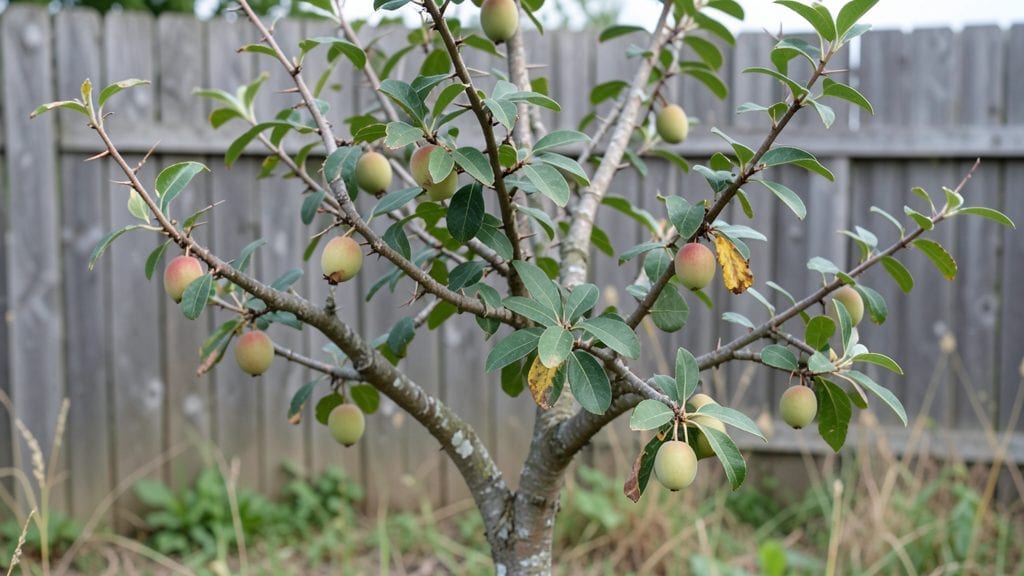
Choosing the right jujube tree types means the difference between a neighborhood-worthy harvest and a sad little bush that barely produces. I’ve grown Chinese, Korean, and hybrid varieties, and each has its own quirks—some stay tiny and perfect for containers, while others stretch tall and cold-hardy enough for northern climates.
The right pick depends on your yard size, winter temps, and whether you want fruit or just pretty foliage.
My favorite for small spaces is the 'Lang' dwarf variety—it tops out at 10 feet and bears sweet, date-like fruit in just 3-4 years. For colder zones (down to -15°F), the 'Yanhe' stands out with thick bark and reliable yields, even when other trees give up.
If you’re after ornamental value, the Korean jujube’s red fall foliage steals the show, though it’s less productive. The key is matching your climate to the tree’s hardiness rating.
You’ll end up with a tree that fits your space and delivers exactly what you want—whether that’s pound after pound of fruit or a showstopping centerpiece. The right variety means fewer headaches and more rewards, from the first flush of spring blossoms to the harvest you can’t wait to share.
Let’s break down which one’s perfect for your garden.
No matter which you choose, all jujubes thrive with full sun and well-drained soil. The dwarf types need pruning to stay compact, while the larger varieties benefit from staking young trunks.
And yes, they’re as low-maintenance as they look—just don’t forget to water deeply during their first growing season. That’s where most beginners trip up.
📚 In This Guide
- What you need
- Instructions
- Tips and common mistakes
- Wrapping up and next steps
What you need
- ● Jujube tree sapling: Choose between: Dwarf variety: 1–2 saplings (3–5 ft tall, ideal for containers or small yards)
- ● Standard variety: 1 sapling (6–10 ft tall, for full sun exposure)
- ● Cold-hardy variety: 1–2 saplings (e.g., Li 23-27 or Yanhezao, rated for zones 5–8)
- ● Well-draining soil: 5–10 lbs of compost or aged manure per planting hole (mix with native soil for loose, fertile texture)
- ● Organic mulch: 2–3 inches of wood chips or straw (to retain moisture and regulate temperature)
- ● Watering can or hose: 5+ gallons capacity (for deep watering sessions)
- ● Gloves & pruning shears: 1 pair (for handling saplings and trimming)
- ○ Stakes & ties (optional for dwarf trees): 2–4 bamboo stakes + soft fabric ties (to support young trunks)
- ● Sunlight: Full sun (6+ hours daily) for all varieties; partial shade tolerated in hot climates
- ● Hardiness zone: Standard/cold-hardy: Zones 5–9 (check variety specs!)
- ● Dwarf: Zones 7–10 (may need winter protection in colder areas)
- ● Soil pH: Slightly acidic to neutral (6.0–7.5); test kit recommended for precision
- ● Space: Dwarf: 6–8 ft spacing (or container 18"+ wide)
- ● Standard: 15–20 ft spacing (avoid root competition)
- ● Fertilizer: Balanced organic (e.g., 10-10-10) or citrus-specific blend (apply in spring)
- ● Drip irrigation system: For automated watering (especially in dry climates)
- ● Tree guard: 3–4 ft tall wire mesh (to protect from pests like deer or rabbits)
- ● pH adjusters: Lime (to raise pH) or sulfur (to lower) if soil test results are off
Understanding jujube tree types: selection guide
Here’s how to choose the right jujube variety for your climate and space.
Identify Your Space and Climate Needs
Jujubes come in three primary types—dwarf, semi-dwarf, and standard—each suited for different growing conditions. Dwarf varieties like ‘Lang’ or ‘Li’ thrive in containers or small yards, reaching only 6-10 feet tall, making them ideal for urban gardens. Semi-dwarf types, such as ‘Yanhe,’ grow 12-15 feet and work well in suburban backyards. Standard varieties like ‘Chu Li’ can reach 20-25 feet, requiring ample space for their sprawling canopies.
Cold-hardy varieties, such as ‘Yanhe’ or ‘Dongzao,’ tolerate temperatures down to -10°F, while others like ‘Lang’ prefer milder winters above 15°F. Check your USDA hardiness zone to match the variety’s cold tolerance. If you live in Zone 5 or colder, prioritize cold-hardy types to avoid winter dieback.
Compare Growth Habits and Fruit Production
Dwarf jujubes produce fruit 2-3 years after planting and yield smaller harvests—typically 50-100 fruits per tree—but their compact size makes them perfect for patios or rooftop gardens. Semi-dwarf varieties fruit 3-4 years in, with yields of 100-200 fruits, offering a balance between space efficiency and productivity. Standard trees take 4-5 years to bear fruit but can produce 200-500 fruits annually, making them ideal for orchards or large properties.
Look for self-pollinating varieties like ‘Lang’ or ‘Yanhe’ if you’re growing just one tree. Cross-pollinating types, such as ‘Chu Li,’ require a second variety planted nearby for optimal fruit set. Watch for early bloomers—some varieties, like ‘Dongzao,’ flower in late spring, while others bloom later, reducing frost damage risks.
Evaluate Fruit Size, Flavor, and Ripening Time
Dwarf jujubes like ‘Li’ produce small, tart fruits (1-1.5 inches long) best suited for drying or jams, while semi-dwarf ‘Yanhe’ yields medium-sized, sweet-tart fruits (1.5-2 inches) perfect for fresh eating. Standard varieties like ‘Chu Li’ deliver large, honey-sweet fruits (2-3 inches), ideal for snacking or baking. Flavor profiles vary—some are crisp and tangy, while others are soft and caramel-like when ripe.
Ripening times differ too: early varieties like ‘Lang’ ripen in late summer, while late types like ‘Dongzao’ hold until fall. If you want a prolonged harvest, plant a mix of early, mid-, and late-season varieties. Pay attention to fruit firmness—ripe jujubes soften slightly and develop a golden-brown skin, signaling peak sweetness.
Plan for Long-Term Care and Maintenance
Dwarf and semi-dwarf jujubes need regular pruning to maintain shape and encourage airflow, reducing disease risk. Standard trees require annual pruning to manage height and remove dead wood, especially after winter. Thin out crowded branches in early spring to improve fruit quality and prevent overbearing, which can lead to small, misshapen fruits.
All jujubes benefit from well-draining soil and full sun (6-8 hours daily). Mulch around the base with 2-3 inches of organic matter to retain moisture and regulate soil temperature. Water deeply once a week during dry spells, ensuring the root zone stays moist but not waterlogged. Avoid overhead watering to prevent fungal issues like powdery mildew.
Choose Based on Your Goals
If you’re growing jujubes for ornamental value, dwarf varieties like ‘Lang’ add year-round interest with their glossy foliage and striking bark. For fresh fruit, semi-dwarf ‘Yanhe’ delivers reliable harvests with minimal effort. Orchard enthusiasts should opt for standard ‘Chu Li’ for high yields and long-term productivity. Cold climates? Prioritize ‘Dongzao’ or ‘Yanhe’ for their hardiness and adaptability.
Visit a local nursery to inspect trees in person—healthy specimens should have vigorous new growth, no signs of pests, and strong, upright branches. Ask about regional success stories to narrow down the best variety for your area. Once planted, jujubes reward patience with decades of fruit production, making them a worthwhile investment for any garden.
Tips & tricks for perfect jujube tree selection
Choosing the right jujube variety can make all the difference in your garden's success. Here are my hard-earned insights to help you avoid common pitfalls.
Space Planning: When considering dwarf varieties like 'Lang' or 'Li' that reach just 6-10 feet, visualize their mature size before planting. These compact trees work beautifully in containers or small urban spaces, but even they need proper airflow. I've seen many gardeners cram them too close to walls or other plants, which restricts growth and increases disease risk. Give them at least 3-4 feet of clearance on all sides for optimal development.
Cold Climate Strategy: The temperature tolerance difference between varieties is critical. If you're in Zone 5 or colder, 'Yanhe' or 'Dongzao' varieties that handle down to -10°F will be your best friends. I learned this the hard way when a 'Lang' tree I planted in my Zone 6 garden suffered winter dieback during an unusually cold snap. Always check your local microclimate—valleys and low-lying areas can be 5-10°F colder than the surrounding region.
Pollination Planning: For cross-pollinating varieties like 'Chu Li', timing is everything. Plant your second variety within 50 feet and ensure they bloom simultaneously. I recommend planting one early bloomer like 'Dongzao' and one later bloomer like 'Lang' to extend your pollination window. This creates better fruit set and more reliable harvests year after year. Don't assume all jujubes are self-pollinating—always verify before planting just one tree.
Long-Term Maintenance: Remember that standard varieties like 'Chu Li' require annual pruning to manage their 20-25 foot height. I recommend investing in a good pruning saw and learning proper techniques now rather than struggling with overgrown branches later. Prune in late winter or early spring before new growth begins, and always make cuts just above outward-facing buds to encourage healthy growth patterns.
Pro Tips for Jujube Tree Types
- Choosing the right jujube variety can make all the difference in your garden's success.
- Space Planning: When considering dwarf varieties like 'Lang' or 'Li' that reach just 6-10 feet, visualize their mature size before planting.
- Cold Climate Strategy: The temperature tolerance difference between varieties is critical.
Frequently asked questions
Got questions about jujube trees? You’re not alone! Here are some of the most common queries—plus straightforward answers to help you grow with confidence.
What’s the easiest jujube tree type for beginners to grow?
Dwarf varieties like ‘Lang’ or ‘Chu Li’ are perfect for beginners! They’re compact, low-maintenance, and thrive in containers or small yards. Plus, their cold-hardy nature means fewer surprises—ideal for new growers.
How cold-hardy are jujube trees, and which varieties survive the best?
Most jujube trees tolerate temperatures down to 10–15°F (-12 to -9°C), but ‘Li’ and ‘Yan Li’ are top picks for harsh winters. For extreme cold (below 0°F/-18°C), consider microclimate protection like mulch or windbreaks.
When is the best time to plant a jujube tree?
Plant in early spring or fall (4–6 weeks before frost) for optimal root establishment. Avoid summer heatwaves—jujubes hate transplant shock! If buying bare-root, plant immediately after purchase to prevent drying.
Can I grow jujube trees in containers, and what size pot do I need?
Yes! Dwarf varieties like ‘Chu Li’ thrive in 15–20 gallon pots with drainage holes. Use well-draining soil (like a mix of potting soil and perlite) and repot every 2–3 years. Just ensure the pot gets 6+ hours of sunlight daily.
What pests or diseases should I watch for in jujube trees?
Common issues include aphids, spider mites, and scale insects. For prevention, spray neem oil or insecticidal soap. Fungal diseases (like powdery mildew) thrive in humidity—prune for airflow and avoid overhead watering.
Are jujube trees self-pollinating, or do I need two trees for fruit?
Most varieties are self-pollinating, but planting two nearby (even different types) can boost fruit production. For example, ‘Lang’ and ‘Yan Li’ pair well. Bees love jujubes—just ensure your tree gets plenty of pollinators!
Wrapping up and next steps
From dwarf varieties for small spaces to cold-hardy jujubes that thrive in chilly climates, there’s a jujube tree perfect for every gardener’s needs. Whether you’re drawn to the convenience of compact growth or the resilience of hardy breeds, these trees offer delicious rewards with minimal fuss.
Ready to grow your own? Start by researching the best local nurseries for saplings, then pick the variety that fits your space and climate. Happy planting—your jujube harvest awaits! 🌱✨