
Pruning
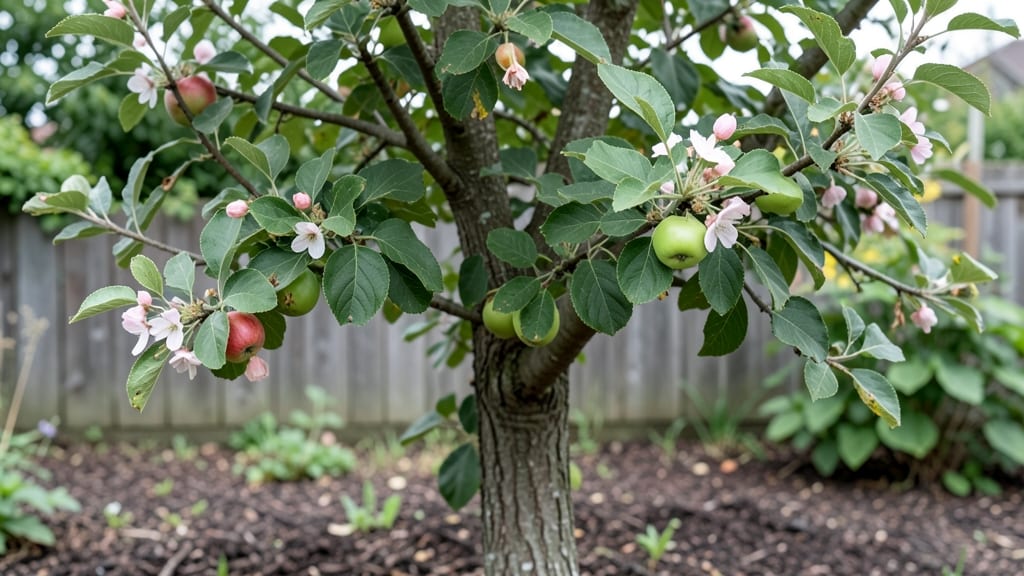
Planting a large apple tree means decades of shade, fragrant blossoms, and bushels of fruit—if you prune right from day one. ✨ I’ve watched my own tree go from a spindly sapling to a sturdy producer, and the difference between a scraggly mess and a thriving orchard comes down to cuts made at the right time and in the right way.
The key isn’t just hacking away branches—it’s shaping the tree’s structure early to prevent weak limbs and crowded growth. You’ll need basic tools (pruners, loppers, a saw for thicker branches), a clear day to work, and a sharp eye for where sunlight and air can circulate freely.
Most gardeners skip the first few years of pruning, and that’s when problems start.
With proper pruning, you’ll end up with a tree that supports its own weight, resists disease, and produces fruit that’s larger and sweeter than store-bought. The branches stay strong enough to hold heavy loads, and you’ll spend less time propping them up.
By summer, you’ll see new growth shooting out where you made your cuts—proof the tree is healing and preparing for next year’s harvest.
This works for any apple variety, whether you’re growing in a backyard, orchard, or even a large container. The principles stay the same—what changes is just how aggressively you prune based on the tree’s age and size. Let’s get those branches in shape for a lifetime of fruit.
📚 In This Guide
- What you need
- Instructions
- Tips and common mistakes
- Wrapping up and next steps
What you need
- ● Bypass pruning shears – Sharp, 6-8" blades for clean cuts on small branches (1 pair).
- ● Pruning saw – For thicker branches (1-2" diameter), with a curved blade for smooth cuts.
- ● Loppers – Long-handled (24-32") for mid-sized branches (1 pair).
- ○ Fruit tree pruning saw – Optional but helpful for stubborn, thick limbs.
- ● Gloves – Heavy-duty, cut-resistant gloves (1 pair) to protect hands from thorns and sap.
- ● Ladder or step stool – Sturdy, 8-12 ft tall, for reaching higher branches.
- ○ Pruning sealant – Optional but recommended for sealing large cuts (1 small bottle).
- ● Apple tree sapling – Disease-resistant variety (e.g., Honeycrisp, Fuji, or Granny Smith) with a sturdy root system.
- ● Well-draining soil mix – 60% native soil + 30% compost + 10% perlite/sand (for heavy clay soil).
- ● Organic mulch – 3-4 inches of wood chips or straw (spread in a 3-ft radius around the base).
- ● Tree stake & ties – 1-2 stakes (4-6 ft tall) and soft fabric ties to support young trees.
- ● Slow-release fertilizer – Balanced 10-10-10 or organic options like composted manure (1 bag).
- ● Tree spray – Organic or chemical (e.g., neem oil or copper fungicide) for pest/disease prevention.
- ● Drip irrigation system – For consistent watering, especially during dry spells.
- ● Tree wrap – Protects young bark from sun scald in winter (1 roll).
- ○ Pruning pole – Extends reach for high branches (optional but handy for tall trees).
Step-by-step pruning guide for a thriving large apple tree
Here's how to shape your apple tree for maximum strength and fruit production—no guesswork involved.
🌿 Step 1: Identify and Remove Dead or Diseased Wood
Start by scanning the tree for branches that are completely brown, brittle, or showing signs of disease like oozing sap or fungal growth. These branches won’t recover and will drain energy from healthy wood. Use clean, sharp pruning shears to cut back to a healthy bud or branch collar—the swollen area where the branch meets the trunk.
I always prune dead wood first because it’s the easiest to spot. If you see a branch with no leaves and no green bark underneath the bark, that’s your cue to remove it entirely. Work from the top down so you’re not standing on ladders with dead branches in hand.
✂️ Step 2: Thin Out Crowded Branches for Better Airflow
Next, focus on branches that are crossing or rubbing against each other. These create wounds that invite pests and disease. Look for branches that grow inward toward the center of the tree—these are called "water sprouts" or "suckers" and should be removed entirely. Cut them back to the branch collar or a strong outward-growing bud.
For every branch you remove, you’re improving airflow and sunlight penetration, which means bigger apples and fewer problems with rot. I like to step back every few cuts to visualize the tree’s shape. The goal is an open center with branches spaced evenly around the trunk.
☀️ Step 3: Shape the Tree for Optimal Sunlight and Fruit Production
Now it’s time to shape the tree by selecting 3-5 strong, outward-growing branches to form the main scaffold. These branches should be spaced evenly around the trunk and angled upward at about a 45-degree angle. Remove any branches that grow straight up or downward—they’ll either block sunlight or grow too heavy with fruit.
Use hand pruners for smaller branches and a pruning saw for thicker branches over ½ inch in diameter. Always make cuts just outside the branch collar to encourage fast healing. After shaping, the tree should look like an open vase with room for sunlight to reach all branches.
⏰ Step 4: Prune for Fruit Production in Late Winter
The best time to prune apple trees is in late winter while the tree is still dormant but just before new growth begins. This timing ensures you’re not removing buds that could grow into next year’s fruit. Look for clusters of buds along the branches—these are where next year’s apples will form.
Leave 2-3 buds on each branch you want to keep. These buds will grow into new shoots that produce fruit. Avoid heavy pruning in early spring when sap is flowing—this can stress the tree. If you must prune later, do it after harvest to allow the tree to recover.
🌱 Step 5: Clean Up and Apply Protective Measures
After pruning, rake up all the debris from the ground and dispose of it in the trash—not the compost pile. Apple tree prunings can harbor diseases that will reinfect your tree. Sterilize your pruning tools with rubbing alcohol or a 10% bleach solution to prevent spreading disease between cuts.
Finally, apply a layer of 2-3 inches of mulch around the base of the tree (but not touching the trunk) to retain moisture and suppress weeds. This is also a great time to fertilize lightly if your soil is nutrient-poor. Water deeply to help the tree recover from pruning stress.
Tips & tricks for perfect apple tree pruning
A well-pruned apple tree is the secret to stronger branches, better airflow, and a bountiful harvest. Here’s how to take your pruning to the next level.
The Right Time Matters: Late winter is ideal for pruning because the tree is dormant but just waking up. This timing prevents removing buds that could grow into next year’s fruit. If you miss this window, avoid pruning during early spring when sap is flowing—this can stress the tree. Trust me on this: your tree will thank you with bigger apples next season!
Branch Angle is Everything: In Step 3, when shaping your tree, aim for branches that grow outward at about a 45-degree angle. This creates the perfect structure for sunlight penetration and fruit production. Avoid branches growing straight up or downward—they’ll either block sunlight or become too heavy with fruit. Think of it like building a sturdy frame: proper angles make all the difference.
Don't Skip the Cleanup: After pruning, it might be tempting to leave the debris under the tree, but this is a big mistake. Apple tree prunings can harbor diseases that will reinfect your tree. Rake up all the debris and dispose of it in the trash, not the compost pile. Sterilizing your tools with rubbing alcohol or a 10% bleach solution between cuts is also a game-changer for preventing disease spread.
Mulch Like a Pro: Apply a 2-3 inch layer of mulch around the base of your tree (but not touching the trunk) to retain moisture and suppress weeds. This step is often overlooked, but it’s crucial for helping your tree recover from pruning stress. Mulch also keeps the soil temperature stable, which is especially important in hot climates. Think of it as giving your tree a cozy blanket to help it heal.
Pro Tips for Large Apple Tree
- A well-pruned apple tree is the secret to stronger branches, better airflow, and a bountiful harvest.
- The Right Time Matters: Late winter is ideal for pruning because the tree is dormant but just waking up.
- Branch Angle is Everything: In Step 3, when shaping your tree, aim for branches that grow outward at about a 45-degree angle.
Frequently asked questions
Got questions about growing and maintaining a large apple tree?
You’re not alone! Here are answers to some of the most common concerns—from pruning basics to troubleshooting—so you can keep your tree thriving and productive.
How often should I prune a large apple tree?
Prune your large apple tree once a year during late winter or early spring (before buds swell). This timing promotes healthy growth and prevents disease. For established trees, focus on removing dead, crossing, or weak branches. Pro tip: Avoid heavy pruning in fall—it can invite pests and fungal issues.
Can I prune a large apple tree in summer?
Summer pruning is possible, but it’s best for light shaping or removing suckers (shoots from the base). Avoid heavy cuts—it stresses the tree and can reduce fruit quality. If you must prune, do so in early summer (June) to minimize stress. Always sterilize tools to prevent disease.
Will pruning reduce my apple harvest?
Not if done correctly! Pruning improves harvests by increasing airflow (reducing rot) and directing energy to fruit production. However, over-pruning (removing >25% of foliage) can cut yields. Focus on selective cuts to maintain a balanced canopy.
What if my apple tree isn’t fruiting after pruning?
Check these common issues:
- Age: Young trees (under 3–5 years) may not fruit yet.
- Variety: Some apple types need cross-pollination (plant two compatible trees).
- Environment: Poor sunlight, water, or soil nutrients can stall fruit production.
- Pruning mistakes: Over-pruning or cutting too late in the season.
How do I know if my large apple tree is too big for my yard?
Most apple trees mature at 20–30 feet tall (or wider with spreaders). If your yard is tight, consider:
- Dwarf varieties (6–10 ft tall) for small spaces.
- Espalier training (growing flat against a fence/wall).
- Regular pruning to control height (but avoid topping—it weakens the tree).
Wrapping up and next steps
Growing a large, thriving apple tree is a rewarding journey that combines patience, care, and a few pruning secrets! By mastering proper techniques—like open-center shaping, selective branch removal, and seasonal trimming—you’ll set the stage for stronger branches, better airflow, and those juicy, abundant harvests you dream of. 🍏✨
Now that you’re armed with the know-how, it’s time to roll up your sleeves and put theory into action. Start small—pick one branch to practice your cuts, then gradually expand your pruning skills.
Before you know it, your apple tree will be flourishing, and your neighbors will be asking for your secrets! Happy pruning!