
Trees
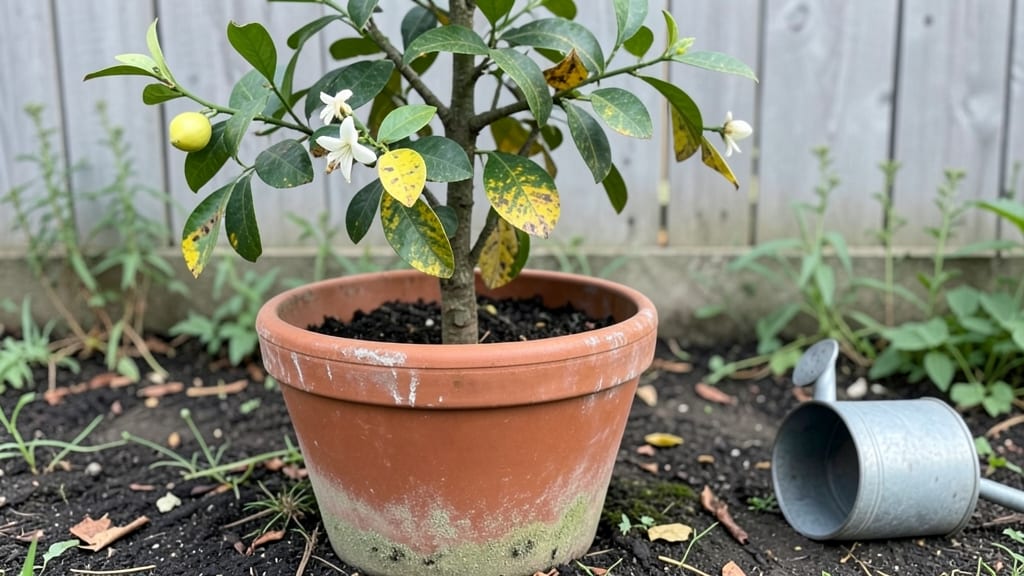
Your lemon tree’s yellow leaves and soggy soil aren’t a death sentence—root rot rescue starts with cutting back on water. 🌱 I’ve nursed back three overwatered citrus trees using the same steps, and the key is acting fast before the roots suffocate.
The moment you notice leaves turning yellow or wilting despite damp soil, you’ve got a 72-hour window to turn things around.
First, stop watering entirely and let the soil dry out completely—this is where most people fail. Then, gently loosen the top 6 inches of soil around the base to improve airflow, and if the roots smell foul or look mushy, trim them back with sterilized shears.
A well-draining potting mix (think perlite and sand) is non-negotiable after this—your current mix is likely holding too much moisture.
Within two weeks, you’ll see new green growth pushing through if the roots are still viable. The secret isn’t just less water—it’s matching your watering schedule to the season. In summer, let the top 2 inches dry out between waterings; in winter, cut back by half.
Your tree will reward you with glossy new leaves and maybe even a few lemons by next spring.
This works for both container-grown and in-ground lemon trees, though containers dry out faster. If your tree is in the ground, consider amending the soil with compost and adding a layer of gravel for better drainage. The goal? A happy, thirsty-but-not-drowned tree that keeps producing for years.
Common Causes Of Overwatering
Overwatering your lemon tree isn’t just a gardening mistake—it’s often a mix of well-intentioned habits, environmental factors, and a little ignorance about how citrus roots behave. Let’s break down the real reasons your lemon tree might be drowning in too much love (and water).
If your lemon tree’s soil doesn’t drain well, water pools around the roots instead of seeping away. This creates a soggy, oxygen-deprived environment—root rot’s worst nightmare. Here’s why it happens:
- Clay-heavy soil: Clay particles pack tightly, trapping water like a sponge that never dries. Lemon trees thrive in well-draining soil with 60-70% sand or perlite to mimic their Mediterranean roots.
- No gravel or sand layer: Without a drainage layer (like 2–3 inches of coarse sand or gravel) at the bottom of pots, water sits stagnant. Container growers, take note!
- Compacted soil: Heavy foot traffic, machinery, or even over-fertilizing with high-nitrogen can compress soil, reducing airflow to roots.
💡 Pro Tip: Test your soil’s drainage by filling a pot with water, then timing how long it takes to drain. If it takes more than 30 minutes, your soil is too dense.
Many gardeners fall into the trap of rigid watering routines—like giving a lemon tree a set amount every Tuesday and Thursday, rain or shine. But citrus trees don’t follow calendars; they follow soil moisture levels. Here’s why this backfires:
- Ignoring weather changes: Heavy rain or humidity can double the moisture in soil, yet you might still water on schedule. Result? Roots suffocate.
- Overestimating pot size: A 5-gallon pot dries out faster than a 15-gallon one. Bigger isn’t always better—it just means you can go longer between waterings if the soil drains well.
- Using ice cubes or "light" watering: Some gardeners think small, frequent waterings are gentler, but this keeps the topsoil wet while roots below stay waterlogged.
🌡️ Science Check: Lemon trees absorb water through root hairs in the top 6–12 inches of soil. If the surface stays damp, roots can’t breathe and ferment.
Not all containers are created equal—and some are downright deceptive. Here’s how pots contribute to overwatering:
| Problem Pot | Why It Traps Water |
|---|---|
| Unglazed ceramic | Absorbs moisture like a sponge, releasing it slowly—even when you’re not watering. |
| Plastic with no drainage holes | Water pools at the bottom, creating a permanent swamp for roots. |
| Too large for the tree’s size | Extra soil stays wet longer because the root zone isn’t fully established. A 1-gallon pot per year of tree age is a good rule. |
✨ Fix It: Upgrade to fabric grow bags (breathable!) or terracotta with drainage holes. If repotting, choose a size only 2–3 inches larger than the current root ball.
Mulch is a gardener’s best friend—unless you’re smothering your lemon tree. Thick or improper mulching can lock in moisture and block airflow. Here’s how:
- Too much mulch: A 3-inch layer is ideal. Anything thicker acts like a waterproof blanket, slowing evaporation and trapping heat.
- Wrong mulch type: Organic mulches (like wood chips) break down into water-retaining humus. For citrus, inorganic mulches (gravel, pebbles) work better.
- Piling mulch against the trunk: This creates a moisture trap right where the stem meets the soil—root rot’s favorite spot.
🔥 Warning: Wet mulch + high humidity = fungal infections like Phytophthora, which attacks roots within 48 hours.
Now that you know the root causes (pun intended), the next step is fixing the damage—but that’s a story for another section. 🌱
Revive Your Lemon Tree Now
Overwatering can feel like a death sentence for your lemon tree, but don’t panic—your citrus friend can bounce back with the right care. Below, we’ve mapped out practical fixes based on the root cause of your tree’s distress, plus prevention tips to keep it thriving.
Let’s turn those sad, yellow leaves into lush, vibrant foliage again!
If your lemon tree’s leaves are turning yellow, wilting, or falling off, root rot is likely the culprit. This fungal infection thrives in soggy soil, cutting off oxygen and nutrients to the roots. Act now to save your tree:
Step 1: Stop Watering Immediately 🚰
- Why? More water = more rot. Let the soil dry out completely before watering again.
- How? Skip watering for 3–5 days (or longer if the soil is extremely wet).
Check moisture by sticking your finger 2 inches deep—if it’s damp, wait longer.
Step 2: Trim the Damage ⏰✂️
- Prune affected leaves and branches to redirect energy to healthy growth. Use sterilized pruners (wipe with rubbing alcohol) to avoid spreading disease.
- Focus on: Yellowing leaves, mushy stems, or branches with black spots.
Step 3: Improve Drainage 🏗️
- Repot or add drainage layers if your tree is in a container:
- Mix perlite or coarse sand (1 part) into the soil (3 parts) to aerate roots.
- Drill holes in the bottom of pots if they’re plastic or ceramic.
- For in-ground trees: Amend the soil with compost or organic matter to improve texture and drainage.
Step 4: Fungal Treatment (If Needed) 💊
- Hydrogen peroxide (3%) – Mix 1 tablespoon per gallon of water and water the soil lightly. This oxygenates roots and fights fungus.
- Fungicide – Use a copper-based or neem oil fungicide (follow label instructions).
Spray the soil surface and lower trunk.
Step 5: Monitor & Adjust 📊
- Water only when the top 1–2 inches of soil are dry (stick your finger in to test).
- Use a moisture meter if you’re unsure—it’s a game-changer for citrus trees!
If your tree’s stems are soft, discolored, or oozing, the rot has spread. Time is critical—follow these steps to contain it:
Step 1: Isolate the Tree 🛡️
- Move potted trees away from other plants to prevent fungal spores from jumping.
- For in-ground trees, remove mulch around the base to improve airflow.
Step 2: Sterilize the Soil 🔥
- Solarize the soil (for in-ground trees): Cover the area with clear plastic for 4–6 weeks in sunny weather to kill fungi.
- Replace potting mix (for containers): Remove the old soil, rinse the roots gently, and repot with fresh, sterile mix.
Step 3: Boost Root Health 💪
- Add mycorrhizal fungi (available at garden centers) to help roots recover and resist disease.
- Feed lightly with a balanced citrus fertilizer (low nitrogen) once the tree shows new growth—no heavy feeding yet!
Once your tree is on the mend, prevent relapse with these habits:
💡 Water Like a Pro
- Containers: Water every 7–10 days (less in winter). Let the soil dry completely between waterings.
- In-ground: Water deeply 1–2 times per week (more in summer heat).
Avoid shallow, frequent watering. - Pro tip: Use a drip irrigation system or self-watering pots to control moisture levels.
🌡️ Soil & Pot Check
- Pot size matters: Ensure pots have drainage holes and are only 1–2 inches larger than the root ball.
- Soil mix: Use a well-draining blend (e.g., 60% potting soil, 20% perlite, 20% sand or orchid bark).
- Avoid soggy spots: Elevate pots on feet or saucers to prevent water pooling.
🎯 Environmental Care - Sunlight: Lemon trees need 6–8 hours of sun daily.
Too little light = weak growth = more rot risk. - Humidity control: If your home is dry, mist leaves occasionally or use a humidifier near the tree. - Avoid over-mulching: Keep mulch 2–3 inches away from the trunk to prevent moisture buildup.
✨ Long-Term Health Boosters
- Fertilize seasonally: Use a citrus-specific fertilizer (high in nitrogen in spring, balanced in summer).
- Prune regularly: Remove dead or crowded branches to improve airflow and sunlight penetration.
- Watch for pests: Aphids or scale insects can weaken trees, making them more susceptible to rot.
Treat with neem oil if spotted.
If your lemon tree:
- Has large sections of black, mushy roots (visible when repotting).
- Shows no improvement after 2–3 weeks of care.
- Is severely stunted or wilting despite fixes.
A local arborist or citrus specialist can assess the damage and recommend advanced treatments (like root pruning or systemic fungicides).
Your lemon tree can recover—just give it time and the right care! With these steps, you’ll see new green leaves in 4–6 weeks and a tree that’s stronger than ever. 🍋✨
Frequently asked questions
What are the first signs my lemon tree is overwatered?
Watch for yellowing leaves (especially older ones), wilting despite damp soil, and mushy, black roots when you check. The leaves may also feel soft or droop even when the soil is wet—this is your tree screaming for air!
Can I save my lemon tree if the roots smell rotten?
Yes, but act fast! Trim all mushy, foul-smelling roots with sterilized shears, then repot in fresh, well-draining soil with perlite or sand. Use a 3% hydrogen peroxide solution (1 tbsp per gallon) to disinfect the roots before replanting.
How often should I water a lemon tree after fixing overwatering?
Wait until the top 2 inches of soil are completely dry—stick your finger in to test. In summer, this might be every 7–10 days; in winter, stretch it to every 2–3 weeks. Always use pots with drainage holes!
What’s the best soil mix to prevent overwatering?
Use a blend of 60% potting soil, 20% perlite, and 20% coarse sand or orchid bark. This mimics the well-draining Mediterranean soil lemon trees love. Add a 2-inch gravel layer at the pot’s bottom for extra insurance.
Will my lemon tree produce fruit if it’s recovering from overwatering?
Not immediately—focus on root recovery first (4–6 weeks). Once new green leaves appear and the tree stabilizes, it’ll gradually regain strength. Healthy roots = future fruit! Just avoid heavy fertilizing until you see consistent growth.