
Pruning
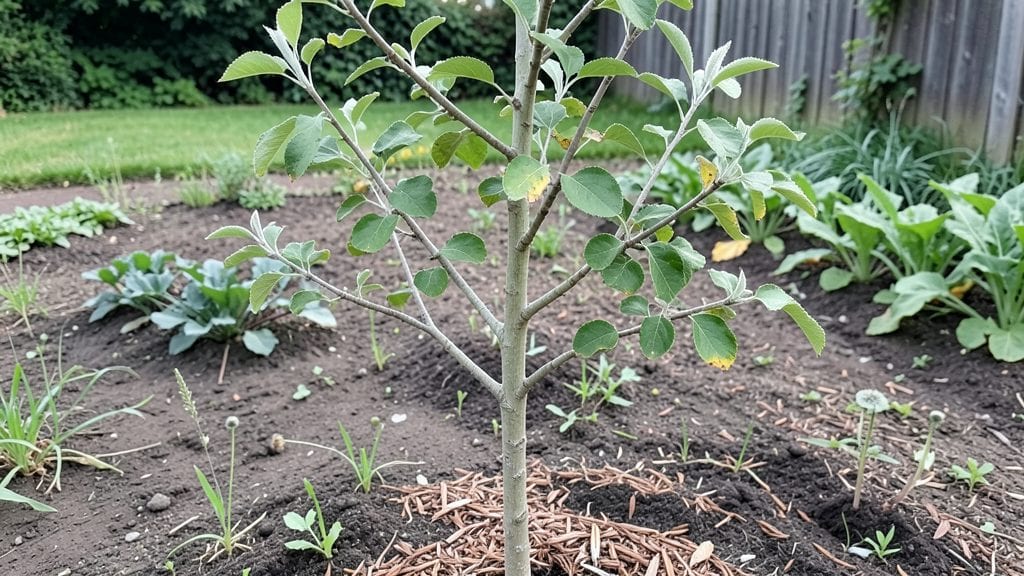
Transforming your dwarf apple tree into a healthy, fruit-bearing beauty starts with understanding its year-round pruning needs. 🌱 I’ve watched my own little apple tree go from a scraggly sapling to a compact, productive powerhouse—all because I learned when and how to prune for shape and fruit.
The key isn’t just cutting branches; it’s shaping the tree’s energy so it grows strong, not wild.
Most people prune once in late winter, but the real magic happens in four strategic cuts—spring, summer, fall, and winter—each serving a different purpose.
You’ll need sharp pruners, a ladder (if your tree’s over your head), and a clear goal: open the center for sunlight, remove dead wood, and encourage new growth where you want it.
My tree now produces dozens of apples every season, and the shape is neat enough to fit in any backyard.
What you’ll achieve is a tree that’s easy to maintain, resistant to disease, and packed with fruit—without the sprawl of full-sized varieties. The first year is about establishing structure; by year two, you’ll be harvesting crisp, homegrown apples straight from your own pruned perfection.
Ready to shape your tree’s future?
This method works for dwarf apple varieties like ‘Columnar’, ‘Sentinel’, or ‘Liberty’—perfect for small spaces, containers, or urban gardens. Whether you’re trimming in January or July, the same principles apply. Let’s get those branches in check!
📚 In This Guide
- What you need
- Instructions
- Tips and common mistakes
- Wrapping up and next steps
What you need
- ● Pruning shears: Bypass pruners (for cuts up to ½ inch thick) – 1 pair (look for sharp, stainless-steel blades for clean cuts).
- ● Loppers: Bypass or anvil type (for branches ½–2 inches thick) – 1 pair (long-handled for reach).
- ● Pruning saw: Curved-tooth saw (for branches 2+ inches thick) – 1 (lightweight and portable).
- ● Gloves: Heavy-duty, cut-resistant – 1 pair (to protect hands from thorns and sharp tools).
- ● Disinfectant: 70% isopropyl alcohol or rubbing alcohol – small bottle (to sterilize tools between cuts and prevent disease spread).
- ○ Pruning sealant: Tree wound paint or pruning paste – small tube (optional but helpful for large cuts to prevent decay).
- ● Ladder or step stool: Sturdy, non-slip – 1 (if your tree is taller than 6 feet).
- ● Tarp or drop cloth: – 1 (to collect debris and protect the ground).
- ● Extension pole: For loppers or pruners – 1 (reaches high branches without a ladder).
- ● Hand saw: For stubborn branches – 1 (if your pruning saw isn’t up to the task).
- ● Sharpener: File or honing tool – 1 (to keep blades razor-sharp).
- ● Notebook & pen: – 1 each (to sketch your tree’s structure or track pruning notes).
- ● Bird netting: – Roll (if birds are a problem after pruning, to protect new growth).
Step-by-Step guide to pruning your little apple tree for lush, healthy growth
Here’s how to shape your young apple tree year-round—keeping it strong, productive, and free of disease.
⏰ Step 1: Winter Pruning (Dormant Season)
Start in late winter or early spring, just before buds swell but before new growth begins. This is the best time to establish your tree’s structure. Use clean, sharp pruning shears to remove any dead, diseased, or crossing branches first—they’re easy to spot when the tree is bare.
Next, open the center of the tree by cutting back branches that grow inward. Aim for an open vase shape that allows sunlight and air to reach the center. For young trees, limit cuts to 25% of the tree’s total growth—over-pruning stresses the tree and slows spring recovery. Look for buds facing outward when making cuts; these will encourage future growth in the right direction.
☀️ Step 2: Summer Pruning (Growth Season)
Mid-summer is for fine-tuning. Focus on removing suckers (vigorous shoots growing from the base or trunk) and water sprouts (fast-growing vertical shoots). These compete with fruit production and weaken the tree’s structure. Cut these back to a bud or lateral branch—never leave a stub, as it invites disease.
Also, thin out crowded branches to improve airflow. You’ll notice clusters of small apples forming—leave one strong fruit per cluster and prune the rest. This ensures the remaining fruit grows larger and healthier. Avoid heavy pruning in summer; just make light, strategic cuts to shape and encourage balance.
✂️ Step 3: Post-Harvest Pruning (Fall)
After apples are picked, remove any remaining fruit, diseased branches, or branches that grew too vigorously during the season. These can harbor pests or diseases over winter. Cut back to a healthy bud or lateral branch, making sure your cuts are clean and angled slightly away from the bud to prevent water pooling.
This is also the time to adjust the tree’s shape for better light penetration. Look for branches that are too low or rubbing against others—these should be pruned back to open up the canopy. Avoid heavy pruning now, as the tree needs time to heal before winter. Seal larger cuts with pruning sealant if they’re over ½ inch in diameter to protect against disease.
🌱 Step 4: Spring Cleanup (Early Growth)
As new growth emerges in early spring, inspect the tree for any dead or damaged wood from winter storms. Prune these immediately to prevent disease spread. You’ll also spot any shoots growing from the graft union—these must be removed to preserve the desired variety.
Lightly trim any overly long branches to encourage a more compact shape. The goal here is to promote airflow and sunlight while keeping the tree’s energy focused on fruit production. Avoid pruning when the tree is under stress—wait until the buds have swollen but before leaves fully unfurl for the best results.
Tips & tricks for perfect year-round apple tree pruning
Mastering the art of pruning your young apple tree doesn't have to be intimidating—these key strategies will help you maintain a thriving, disease-resistant tree that produces abundant fruit.
Tool Preparation: Always start with clean, sharp pruning shears—dull blades tear wood and invite infection. I sterilize my tools with rubbing alcohol between cuts on different trees to prevent spreading disease. For larger branches, use pruning saws with a fine-tooth blade designed for wood to make clean cuts without splintering. Remember, the cleaner your cut, the faster the tree heals.
Seasonal Timing Insight: The specific timing mentioned in each step is crucial for your tree's health. In Step 1, that late winter window right before buds swell is your golden opportunity to establish the tree's structure without stressing it. I've seen beginners prune too early and accidentally damage buds that haven't yet formed. For Step 4, waiting until buds have swollen but before leaves unfurl ensures you're not pruning stressed new growth.
Visual Pruning Cues: When opening the center of your tree in Step 1, look for branches that grow inward at angles greater than 45 degrees—these are your targets. For summer pruning (Step 2), identify suckers by their vigorous, upright growth from the base or trunk, and water sprouts by their rapid vertical growth. These visual cues help you make precise cuts that maintain your tree's natural shape while promoting healthy growth patterns.
Healing Strategy: The instructions mention sealing larger cuts over ½ inch in diameter during fall pruning. I've found that using a high-quality pruning sealant not only protects against disease but also helps prevent water from pooling in the cut. For smaller cuts, let them heal naturally—the tree's own healing process creates a stronger seal over time. This approach keeps your tree healthy and resilient year-round.
Pro Tips for Little Apple Tree
- Mastering the art of pruning your young apple tree doesn't have to be intimidating—these key strategies will help you maintain a thriving, disease-resistant tree that produces abundant fruit.
- Tool Preparation: Always start with clean, sharp pruning shears—dull blades tear wood and invite infection.
- Seasonal Timing Insight: The specific timing mentioned in each step is crucial for your tree's health.
Frequently asked questions
Got questions about nurturing your little apple tree? You’re not alone! Whether you're a first-time pruner or just want to refine your skills, here are answers to the most common queries—so you can keep your tree thriving year-round.
When is the best time to prune a young apple tree?
The ideal time depends on your goal. For structural shaping, prune in late winter or early spring (before buds swell)—this promotes strong growth. If you’re removing dead or diseased branches, do it year-round as needed. Avoid heavy pruning in fall, as it can stimulate late-season growth vulnerable to frost damage.
How much should I cut back on a baby apple tree?
Start small! For a little apple tree (under 3 years old), remove no more than 20-25% of the total branches in a single session. Focus on:
- Dead, crossing, or inward-growing branches (the "4 D’s": Dead, Diseased, Damaged, Dominant).
- Suckers (shoots growing from the base or roots).
- Water sprouts (fast-growing vertical shoots).
Can I prune an apple tree in summer?
Yes, but lightly! Summer pruning helps control size and shape, especially for little apple trees in small spaces. Trim only new growth or suckers—avoid heavy cuts, as this can stress the tree. The best time is late spring to early summer, after flowering but before heavy fruit set.
What should I do if my apple tree’s branches are bleeding sap after pruning?
Sap bleeding (or "weeping") is normal for a few days after pruning—it’s the tree’s way of healing! To minimize it:
- Prune on a cool, cloudy day (not hot or windy).
- Avoid cutting into large, mature branches (stick to smaller limbs).
- Seal cuts only if the tree is diseased (use pruning sealant sparingly).
Are there alternatives to traditional pruning for small apple trees?
If you’re short on time or tools, try these low-maintenance options:
- Topiary shaping: Train branches into shapes (e.g., spirals, fans) for a decorative look while controlling growth.
- Espalier method: Grow the tree flat against a fence/wall to save space—great for urban gardens!
- Selective thinning: Remove only the most problematic branches (e.g., those rubbing together) and let the tree grow naturally.
Wrapping up and next steps
Your little apple tree is now ready to thrive with the knowledge of year-round pruning! Remember, consistent care—whether it’s winter’s dormant cuts or summer’s shape adjustments—is the secret to a fruitful, healthy tree. 🌳✨ Start small, stay patient, and soon you’ll be harvesting homegrown apples to enjoy.
Ready to put your new skills to work? Grab your pruners and schedule your first session this weekend! Every trim brings your tree one step closer to that dream orchard vibe. Happy pruning! 🍏🌟