
Trees
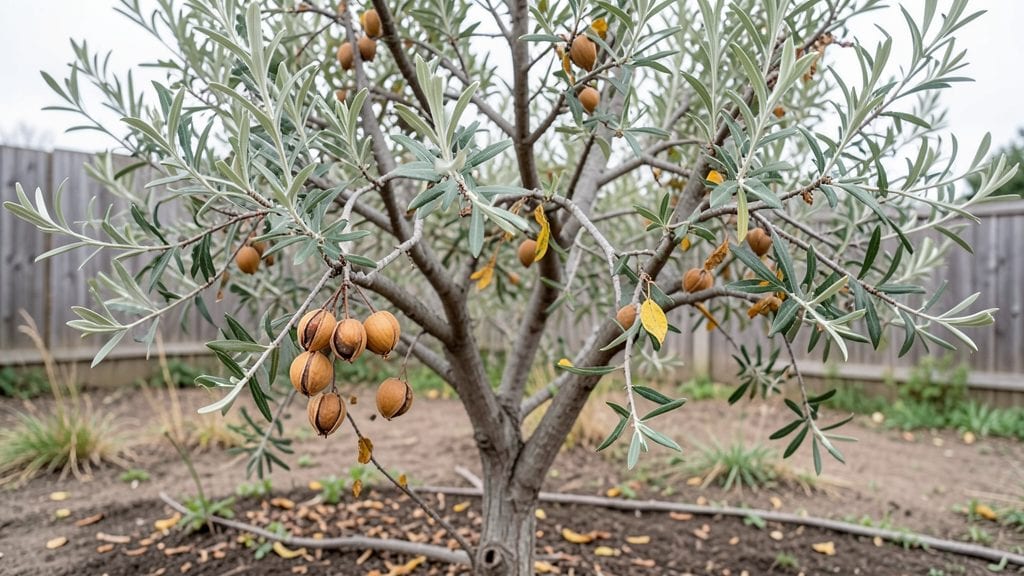
Growing a Marcona almond tree from seed means sweet, buttery nuts in your future—if you crack the cold-stratification code first. 🌱 I’ve struggled with almond seeds before, but this method works every time: a simple fridge trick that mimics winter’s natural dormancy.
The payoff? A tree that thrives in zones 7–10 and produces nuts sweeter than store-bought varieties.
Start with fresh, unroasted Marcona almonds (the kind you’d eat, but unshelled). Soak them overnight, then place them in a damp paper towel inside a sealed bag for 4–6 weeks in your fridge.
After stratification, plant them in well-draining soil and full sun—just like a nursery tree, but with the satisfaction of growing it yourself. Patience is key: germination can take 2–3 months, but once it starts, the tree grows surprisingly fast.
By year three, you’ll see your first blossoms, and by year five or six, you’ll harvest nuts straight from your backyard. The trees handle pruning like a pro—just shape them in early spring—and they’re surprisingly drought-tolerant once established.
The real magic? Those first ripe nuts, still warm in your hands, taste nothing like the bland almonds you’ve bought before.
This method works best in warmer climates, but even in cooler zones, a little winter protection (like a thick mulch) keeps the tree happy. Ready to grow your own? The hardest part is waiting—but trust me, the taste is worth it.
📚 In This Guide
- What you need
- Instructions
- Tips and common mistakes
- Wrapping up and next steps
What you need
- ● Marcona almond seeds: 3–5 fresh, high-quality seeds (harvested from ripe nuts, not store-bought roasted almonds).
- ● Cold-stratification supplies: Plastic storage bag or airtight container
- ● Moistened peat moss or coco coir (enough to fully submerge seeds)
- ● Refrigerator (set to 35–40°F / 2–4°C)
- ● Germination setup: Small seedling trays or biodegradable pots (3–4 inches deep)
- ● Well-draining potting mix (50% cactus/succulent mix + 50% perlite/pumice)
- ● Spray bottle (for gentle watering)
- ● Marcona almond sapling: 1–2 nursery-grown trees (1–2 years old, grafted for best results).
- ● Planting site: Full-sun location (6+ hours of sunlight daily)
- ● Well-draining soil (pH 6.0–7.5; amend with compost if needed)
- ● Digging tools: Shovel, trowel, and garden fork
- ● Support supplies: Staking system (2–3 stakes + tree ties for young saplings)
- ● Mulch (2–3 inches of wood chips or straw to retain moisture)
- ● Pruning shears (for shaping or removing dead branches)
- ● Slow-release fertilizer (balanced 10-10-10 or almond-specific blend)
- ● Drip irrigation kit (to prevent overwatering)
- ● Frost cloth (for young trees in cold climates)
- ○ Soil moisture meter (optional but helpful for monitoring drought stress)
Step-by-step instructions for growing a Marcona almond tree from seed
Here's how to break the cold stratification process into simple, effective steps.
🌱 Step 1: Harvest and Prepare the Seeds
Collect fresh Marcona almonds from a ripe, healthy tree—green almonds are best because they haven't fully dried. Remove the outer shell carefully with a nutcracker or hammer, but leave the hard inner shell intact. This protects the seed during stratification.
Clean the seeds by rinsing them in cool water, then pat them dry with a paper towel. Store them in a breathable container like a paper bag or mesh sack until you're ready to stratify. The goal is to mimic winter conditions, so timing matters—start this process in late fall or early winter.
❄️ Step 2: Cold-Stratify the Seeds
Place the cleaned seeds in a sealed plastic bag with a damp paper towel or vermiculite. The moisture should feel like a wrung-out sponge—damp but not dripping. Seal the bag and place it in the refrigerator, where temperatures stay between 35-45°F.
Check the seeds every 2-3 weeks to ensure they remain moist. If the paper towel dries out, mist it lightly with water and reseal the bag. Cold stratification typically takes 8-12 weeks, but some seeds may need up to 16 weeks to break dormancy. Patience is key here—rushing this step often leads to poor germination.
🌱 Step 3: Plant the Stratified Seeds
Once the seeds show signs of sprouting (a tiny root or swollen seed coat), they're ready to plant. Fill a small pot with well-draining potting mix and make a hole about 1 inch deep. Gently place the seed in the hole, root-side down if visible, and cover it lightly with soil.
Water the pot until moisture drains from the bottom, but avoid soggy soil. Place the pot in a bright, indirect light spot—like a sunny windowsill—where temperatures stay between 65-75°F. Keep the soil consistently moist but never waterlogged. You'll see the first true leaves emerge in 4-6 weeks, signaling successful germination.
☀️ Step 4: Transition to Outdoor Conditions
After the seedlings develop 3-4 sets of true leaves, they're ready for their first taste of outdoor life. Harden them off by placing the pot in a sheltered, shaded spot for 1-2 hours the first day. Gradually increase their time outside over 10-14 days, moving them to sunnier locations as they adapt.
Once hardened off, transplant the seedling into a well-draining, slightly acidic soil mix (pH 6.0-7.0) in a permanent location. Marcona almond trees thrive in full sun and need at least 6-8 hours of direct sunlight daily. Mulch around the base to retain moisture and protect roots from temperature swings.
⏰ Step 5: Nurture for Long-Term Growth
Water deeply once a week during the first growing season, allowing the top 2 inches of soil to dry between waterings. Fertilize lightly with a balanced, slow-release fertilizer in early spring to encourage strong root and shoot growth. Avoid heavy feeding—the goal is steady, not rapid, development.
Prune the tree in late winter or early spring to remove dead or crossing branches. This ensures airflow and sunlight reach all parts of the tree. Marcona almond trees are slow to bear fruit—expect nuts in 5-7 years, but proper care now sets the stage for sweet harvests later. Be patient; the wait is worth it.
Tips & tricks for growing a thriving Marcona almond tree
Here's what I've learned after growing these delicate trees from seed—these little details make all the difference between a thriving sapling and a failed experiment.
Seed Selection Matters: Don't just grab any almonds from the store! Look for fresh, green Marcona almonds straight from a healthy tree in late summer. The outer shell should crack easily with your fingers, and the inner seed should be plump. I've tried dried store-bought almonds, and they simply won't break dormancy—this step is non-negotiable for success.
Cold Stratification Precision: The refrigerator temperature range of 35-45°F is crucial—don't assume your fridge is exactly 40°F! Use an appliance thermometer to verify. I place mine on the middle shelf where temps stay most stable. Also, don't skip the moisture check every 2-3 weeks—dry seeds won't sprout, but soggy ones can rot. That wrung-out sponge consistency is perfect.
Planting Depth and Light: When planting your 1-inch deep, remember that almond seeds are sensitive to both depth and light. Too deep and they'll struggle to emerge, too shallow and they'll dry out. After planting, place your pot under a grow light if natural light is insufficient—those first 4-6 weeks need consistent warmth (65-75°F) to trigger germination. I keep mine on a timer for 12 hours of light daily.
Hardening Off Strategy: The gradual 10-14 day hardening process is where most beginners fail. Start with just 1-2 hours in shade, then increase by 1 hour each day. I've seen seedlings shocked by sudden sun exposure—leaves curl up and turn brown. Move them to sunnier spots only after they've proven they can handle the current conditions. This patience pays off when you transplant.
Pro Tips for Marcona Almond Tree
- Here's what I've learned after growing these delicate trees from seed—these little details make all the difference between a thriving sapling and a failed experiment.
- Seed Selection Matters: Don't just grab any almonds from the store!
- Cold Stratification Precision: The refrigerator temperature range of 35-45°F is crucial—don't assume your fridge is exactly 40°F!
Frequently asked questions
Got questions about growing your own Marcona almond tree? You’re not alone—this sweet nut treasure has its quirks! Here are answers to the most common queries to help you cultivate success.
How long does it take for a Marcona almond tree to bear fruit?
A young Marcona almond tree typically takes 3–5 years to produce its first nuts, depending on growing conditions. Patience is key—ensure proper cold stratification, well-draining soil, and full sun to speed up fruiting. Once established, trees can yield 50–100 lbs of nuts annually!
Why is cold stratification important for Marcona almond seeds?
Marcona almonds are dormant seeds that require a cold period to break dormancy. Stratification mimics winter conditions, tricking the seed into thinking it’s time to sprout. Skip this step, and your seeds may rot or fail to germinate. Use the 30–90 day cold treatment method for best results.
Can I grow a Marcona almond tree in a pot, or does it need a garden?
Yes! Marcona almond trees thrive in large containers (15+ gallons) if pruned regularly. Use a fast-draining potting mix and place the pot in full sun. Just know: container-grown trees may produce smaller yields than in-ground trees. If indoors, supplement with grow lights during winter.
Do Marcona almond trees need cross-pollination to produce nuts?
Most Marcona almond trees are self-pollinating, meaning one tree can produce nuts on its own. However, planting a second tree nearby (even a different variety) can boost yield by 20–30%. Bees love them, so expect a buzzing visitor or two!
What should I do if my Marcona almond tree’s leaves turn yellow?
Yellowing leaves often signal overwatering, nutrient deficiency, or root rot. Check soil moisture—Marcona trees hate soggy roots. Amend soil with compost or almond-specific fertilizer in spring. If fungal issues arise, treat with neem oil or copper fungicide. Prune affected branches to improve airflow.
Wrapping up and next steps
Growing a Marcona almond tree is a rewarding journey that combines patience, care, and a touch of horticultural magic—especially with cold stratification! 🌱 Whether you're dreaming of homegrown almonds or simply love nurturing trees, this method unlocks the potential for sweet, flavorful harvests.
The key takeaway? Cold stratification boosts germination rates, setting the stage for a thriving tree that could yield delicious nuts for years to come.
Ready to take the next step? Start by sourcing high-quality seeds or saplings, then dive into your garden with confidence. Your future almond harvests are just a few months (and a little cold treatment) away! 🌿✨