
Pruning
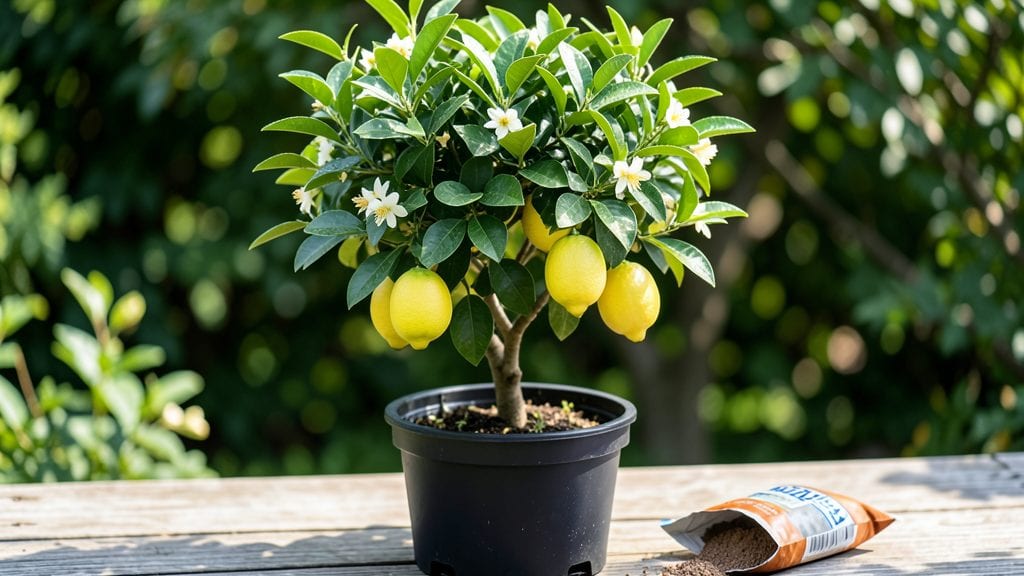
A 20-gallon tree usually grows to 6 to 10 feet tall with a 4 to 8-foot spread, though exact dimensions depend on the species. Most reach full maturity in 2 to 5 years when planted from a container, while dwarf types stay under 5 feet and fast growers like willows can top 12 feet.
A 20-gallon tree's size reflects its container's root volume, which directly impacts how quickly it establishes itself after planting. 🌳 The root ball determines early growth speed—larger roots mean faster initial expansion, while smaller ones may take longer to fill out.
For example, citrus trees in 20-gallon pots often mature faster than fruit trees because their root systems develop more aggressively in well-draining soil. Understanding this helps you plan spacing and pruning needs from day one.
What many gardeners overlook is how seasonal planting affects growth trajectory. 🌱 Transplanting in early spring or late fall gives roots more time to establish before summer heat or winter dormancy sets in.
I've seen 20-gallon olive trees grow 3 feet taller in their first year when planted in spring versus just 1 foot when planted in summer. Proper aftercare—like consistent watering and mulching—can accelerate maturity by up to 25% in ideal conditions.
💡 In This Article
- How 20-Gallon Tree Size Varies by Species
- Planting and Care Tips for 20-Gallon Trees
How 20-Gallon tree size varies by species
The size of a 20-gallon tree at maturity depends entirely on its species and growth habit.
For instance, a lemon tree typically reaches 8 to 12 feet tall with a 6 to 10-foot spread, while a dwarf Meyer lemon stays under 5 feet—a 60% difference in height. 🌿 The key factor here is the tree's natural growth rate: citrus trees grow upright but spread wide, while fruit trees like apricots develop a more compact, rounded shape with 5 to 8 feet of height and spread.
Ornamental varieties, such as Japanese maples, often remain smaller (4 to 6 feet) but develop intricate branching patterns that make them visually striking.
Root ball size plays a critical role in early development. A 20-gallon container provides about 1.5 cubic feet of root space, which influences how quickly a tree establishes itself after transplanting.
For example, olive trees—which have fibrous root systems—can fill this space faster than peach trees, whose taproots grow deeper. This means olives may reach 6 to 8 feet in 2 to 3 years, while peaches take closer to 4 to 5 years to mature.
The root-to-shoot ratio also matters: trees with dense foliage (like ornamental cherries) allocate more energy to leaves than height, resulting in wider but shorter growth patterns.
Fast-growing species like willow trees can exceed 12 feet in their first year from a 20-gallon pot, thanks to their aggressive root systems and rapid shoot production. 🌱 However, these trees often have shorter lifespans and require more frequent pruning to maintain structure.
In contrast, slow-growing varieties such as dwarf figs may only gain 1 to 2 feet annually, staying under 5 feet even after 5 years. This variation highlights why choosing the right species for your space—and understanding its growth trajectory—is essential for long-term planning.
Growth habits also dictate how trees fill their space. Upright growers (like citrus) need vertical clearance, while spreading varieties (such as crepe myrtles) require more horizontal room.
A crepe myrtle in a 20-gallon pot can develop a 10-foot spread within 3 years, while its height remains modest at 6 to 8 feet. This contrast is why spacing guidelines vary so widely—what works for a tight, vertical olive tree fails for a wide, horizontal magnolia.
Always check the mature dimensions of your chosen species before planting.
One often-overlooked factor is how pruning affects size. Regular pruning can reduce a tree's mature height by 20 to 30% without stunting its overall health.
For example, a 20-gallon apple tree left unpruned might reach 10 feet, but with annual pruning, it can be kept at 6 feet while still producing fruit. The trade-off?
Pruned trees may take slightly longer to mature but offer better air circulation and easier maintenance. 🌳 Understanding these nuances helps you tailor care to your tree's natural tendencies.
For gardeners working with limited space, dwarf or semi-dwarf varieties are game-changers. These are often grafted onto smaller rootstock, which restricts their growth while maintaining fruit production.
A dwarf peach tree, for instance, stays under 6 feet but yields just as many peaches as a standard variety—though it may take 1 to 2 extra years to bear fruit.
This slower start is the trade-off for manageable size, making dwarf trees ideal for containers, patios, or small yards.