
Blooming
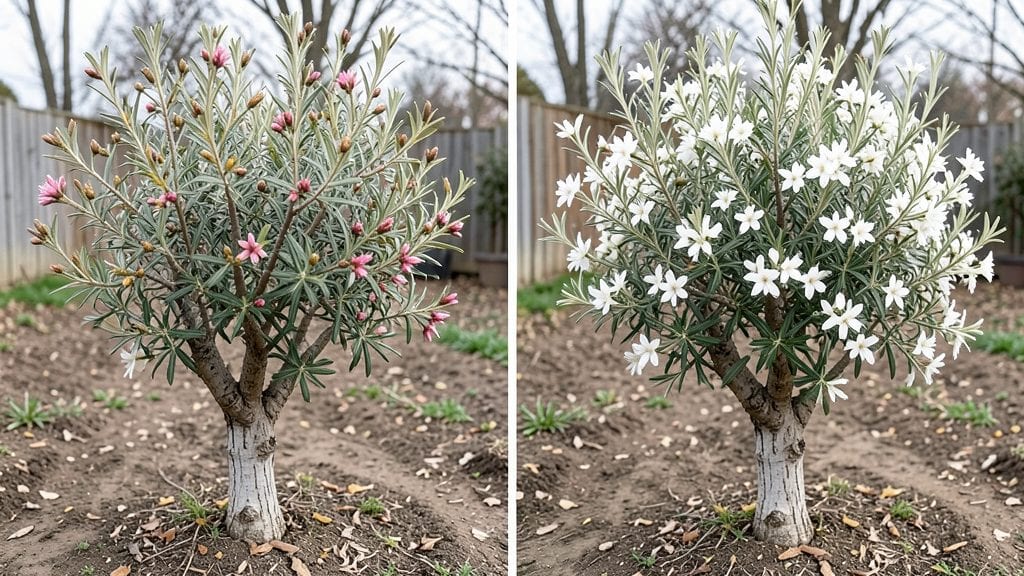
The olive tree bloom stages reveal how your 🫒 shifts from winter dormancy to summer harvest—each phase demanding precise care to unlock that coveted first fruit.
Watching your olive tree bloom is a breathtaking experience—but understanding its precise flowering stages can mean the difference between a bountiful harvest and disappointment. From delicate white blossoms to fruit development, each phase follows a predictable timeline that every gardener should master.
In Zone 8-10 climates like California or Spain, blooms typically kick off in late winter, but timing shifts with temperature and sunlight. Miss a stage, and you might end up with fewer olives—or none at all.
Below, I break down the five critical stages of olive tree flowering, from bud formation to fruit set, plus the exact care each needs for success.
Olive tree bloom stages explained: identifying each critical phase
Understanding the olive tree bloom stages transforms your gardening from guesswork to precision. Each phase—from bud formation to fruit set—requires specific care to ensure a successful harvest.
I’ve watched my own Olea europaea trees go through these stages, and the difference between a thriving crop and sparse yields often comes down to timing and attention to detail.
Olive trees typically bloom in late spring to early summer, but the exact timing depends on your USDA zone and microclimate. In Zone 9-10 (like California or Spain), blooms appear around May-June, while cooler zones like Zone 8 may see flowers as late as July.
Recognizing these stages early lets you adjust watering, pruning, and fertilization for optimal results.
Bud formation is the first critical phase, where tiny green buds appear along the branches. These buds are highly sensitive to temperature fluctuations—cold snaps can damage them, while sudden heat waves may cause premature opening. I’ve learned to monitor my tree’s buds closely during this 2-3 week window before flowering begins.
Here’s a quick reference for each stage, including what to watch for and how to support your tree:
The flowering stage is the most dramatic—your tree will be blanketed in fragrant white blossoms that attract bees and other pollinators. This is when cross-pollination occurs, so if you’re growing multiple olive varieties, place them within 100 feet of each other for better fruit set.
I’ve noticed that humidity levels below 40% can reduce pollination success, so misting lightly on dry days helps.
After pollination, you’ll see tiny green olives forming, but not all will survive. This is where fruit thinning comes in—removing excess olives ensures the remaining ones grow larger and healthier.
I typically thin when olives reach pea size, keeping only the plumpest ones spaced 2-3 inches apart on each branch.
During early development, olives will turn from green to purple, signaling they’re maturing. This phase demands balanced care: too much water causes splitting, while drought stress can stall growth. I’ve found that mulching around the base helps retain moisture while keeping roots cool during hot afternoons.
One common mistake I’ve seen is assuming all olives will ripen simultaneously. In reality, they mature at different rates—some may drop prematurely if the tree is stressed. Pay attention to branch flexibility: if branches sag under the weight, it’s time to thin aggressively to prevent breakage.
By mastering these 5 critical bloom stages, you’ll not only boost your olive yield but also enjoy the beauty of your tree’s annual transformation. The key is patience and observation—each stage reveals what your tree needs next.
Month-by-month olive tree flowering timeline by climate Zone
Olive trees thrive in Mediterranean climates (USDA Zones 8-10), where cool winters and warm summers trigger their spring blooming cycle. However, even in temperate zones (7-8), with proper care, you can encourage flowering.
The key is understanding how temperature shifts and sunlight exposure influence each stage—from bud formation to fruit set.
In Zone 10 (California, Florida), blooms typically appear in late winter (February-March), while Zone 8 (Georgia, Texas) trees may delay until April. Early bloomers in mild climates can even start as early as January, but late frosts can damage delicate flowers.
Adjust your expectations based on your local last frost date and microclimate.
| Climate Zone | Bud Formation | Flowering Peak | Fruit Set | Notes |
|---|---|---|---|---|
| Zone 8-9 (Temperate) | February-March | April-May | June-July | Frost risk delays blooms; prune in late winter. |
| Zone 10 (Mediterranean) | January-February | March-April | May-June | Consistent blooms; monitor for olive fruit fly. |
| Zone 7 (Cold Edge) | March-April | May-June | July-August | Young trees may skip blooms; use frost cloth. |
For Zone 8-9 gardeners, focus on protecting buds during late winter with frost cloth. If temperatures drop below 28°F, flowers can die back, delaying fruit production.
In Zone 10, where winters are mild, blooms arrive earlier—sometimes as early as January—but require consistent sunlight (6+ hours daily) to sustain flower development.
Monitor your tree’s leaf color and new shoot growth in early spring—these are signs it’s ready to bloom. If your olive tree skips flowering, check for water stress or nutrient deficiencies (like low phosphorus). Apply a balanced fertilizer (10-10-10) in February to encourage bud formation for the next season.
Remember, young olive trees (under 5 years) may take 2-3 years to bloom. Patience is key! If your tree is mature but not flowering, consider pruning in late winter to remove dense branches and improve airflow. This helps redirect energy toward flower production instead of foliage.
Track your olive tree’s progress with a garden journal. Note the first bloom date, peak flowering, and fruit set each year. Over time, you’ll spot patterns—like how early rains can extend the bloom period or how hot spells may cause flowers to drop prematurely.
Adjust your care routine accordingly for a healthier harvest.